Connect with us!

    CATEGORIES

    10-26-25

    Checking Pre Owned Cars in Centereach NY Before Cold Weather

    When cold weather starts creeping in around Centereach, NY, it makes sense to take a second look at your vehicle. Road salt, freezing nights, and early sunsets can bring old problems to the surface fast, especially in used cars. That’s why now is a good time to start checking pre owned cars in Centereach, NY before the cold fully sets in. Taking care of a few things ahead of time can help avoid annoying breakdowns or expensive repairs when you least expect them.

    Winter driving brings its own challenges, and the last thing anyone wants is to be stuck on the side of the road with a car that just won’t cooperate. That kind of hassle is avoidable with the right checks. Below, we are breaking down what issues to look out for, what to inspect before temperatures dip too far, and how to stay a step ahead of harsh winter weather.

    Common Problems Cold Weather Can Make Worse

    Cold air makes minor car problems feel a lot bigger. Once winter gets moving, you'll notice issues you did not before, so it makes sense to get ahead of them now.

    • Tire pressure drops naturally when temperatures fall. When the pressure is too low, your tires will not grip the road as well, especially when you hit ice or slush. That means less stability, longer stops, and a rougher ride.
    • Batteries have a harder time working once the temperature drops. If your battery is already aging, even a short cold snap can leave you running late for work with a vehicle that will not start.
    • Fluids need attention too. Antifreeze keeps your engine from freezing or overheating. Worn oil thickens in the cold and does not flow as easily, which puts extra strain on your motor. If your windshield washer fluid is not winter-ready, it could freeze right in the line, leaving you blind behind a dirty windshield.

    All of these are manageable problems, but they tend to pile up fast when they are not checked ahead of time. If you take a moment to inspect these areas, it's much easier to keep your car running well through the season. Quick action now can help you dodge those last-minute breakdowns when the roads get slippery and busy.

    What to Check Before the First Freeze

    Early fall is the best window to check your vehicle before Centereach mornings start dipping below freezing. Here is where we recommend starting.

    • Look over the battery. If it is older or corroded, it may not have enough juice left to deal with back-to-back cold starts.
    • Have the brakes looked at. Cold weather can stiffen components, and worn pads mixed with frozen roads do not mix well.
    • Tires should be checked for tread depth, wear patterns, and inflation. Do not forget the spare. It is easy to overlook until you actually need it.
    • The vehicle’s heating and defrost systems should both be tested. If either one is not working right, winter rides will be more than a little uncomfortable.
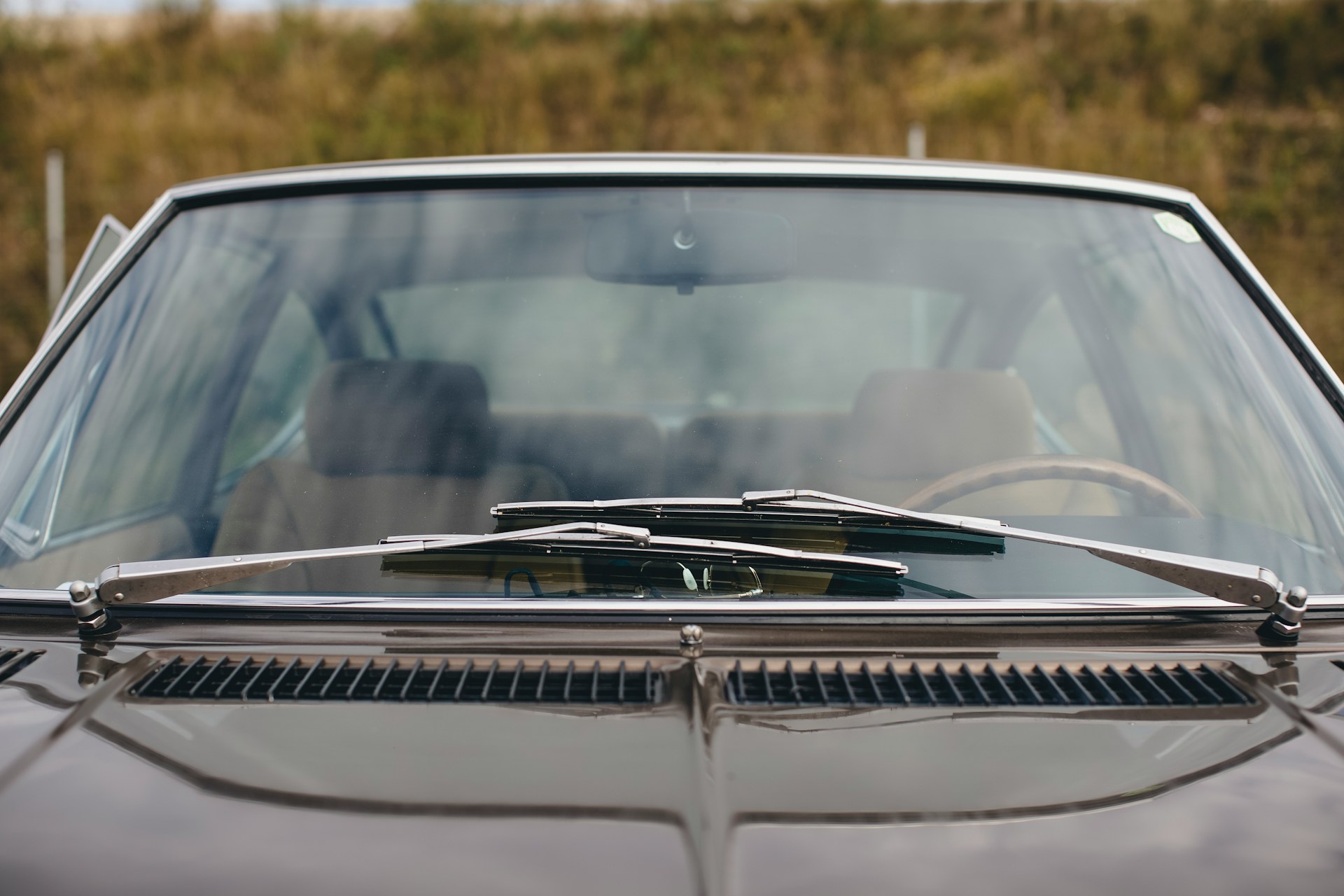
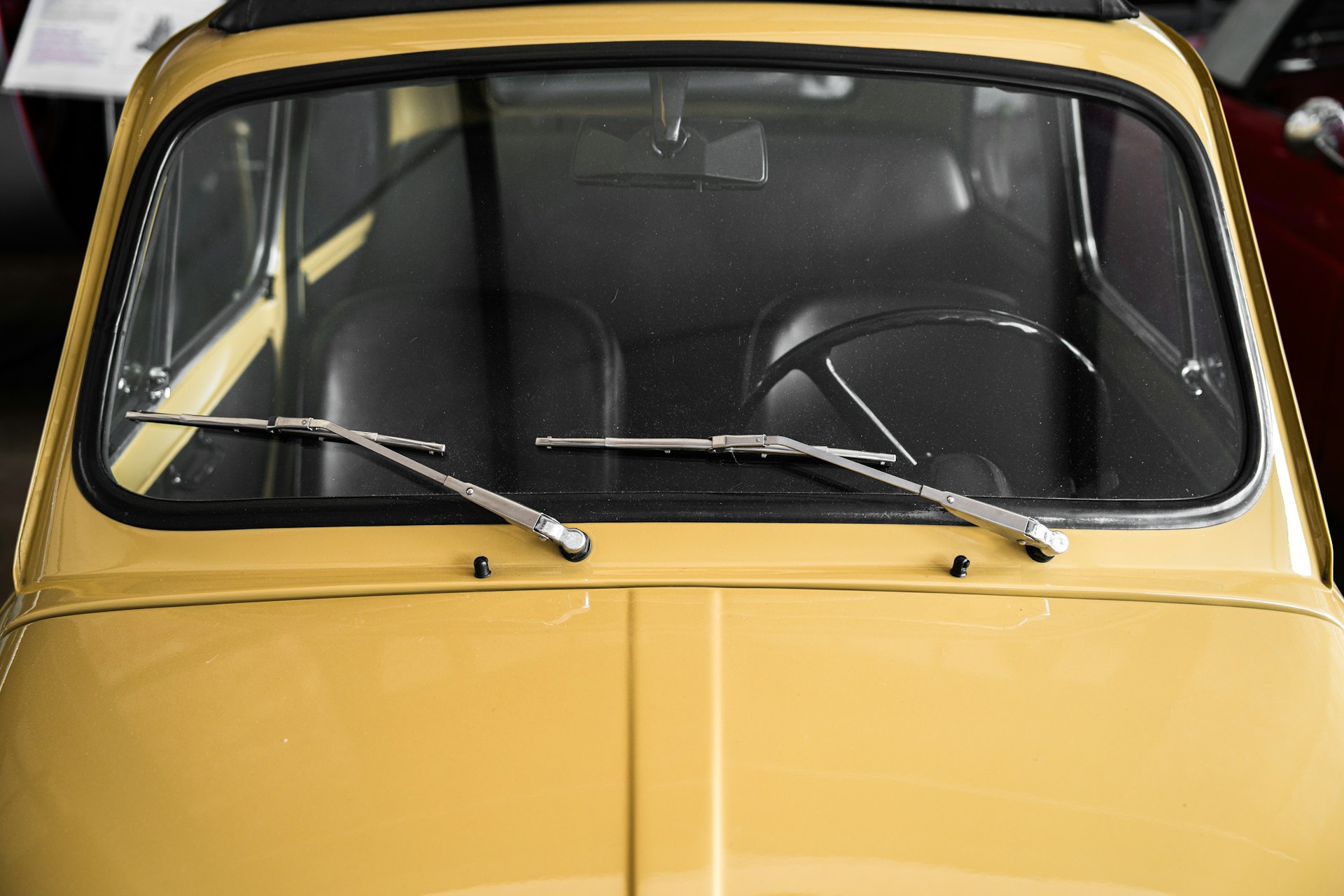
    • Do not ignore wipers and lights. Streaky blades and weak headlights make already-low visibility even worse. Wipers should be streak-free and flexible. Bulbs should be bright enough to cut through fog or snow.
    • Glance under the car. Look for signs of past rust, especially along the undercarriage. If a previous owner drove the car in a snowy area and salted roads were not rinsed off properly, rust might already be starting.

    Running through these basics now takes a lot less time and money than dealing with trouble in January.

    At 112 Certified, each of our pre owned vehicles is listed with detailed features, mileage, and comprehensive information online. We provide access to CARFAX history reports for added transparency, so Centereach buyers can make informed decisions before winter arrives.

    Why Local Drivers in Centereach Should Plan Ahead

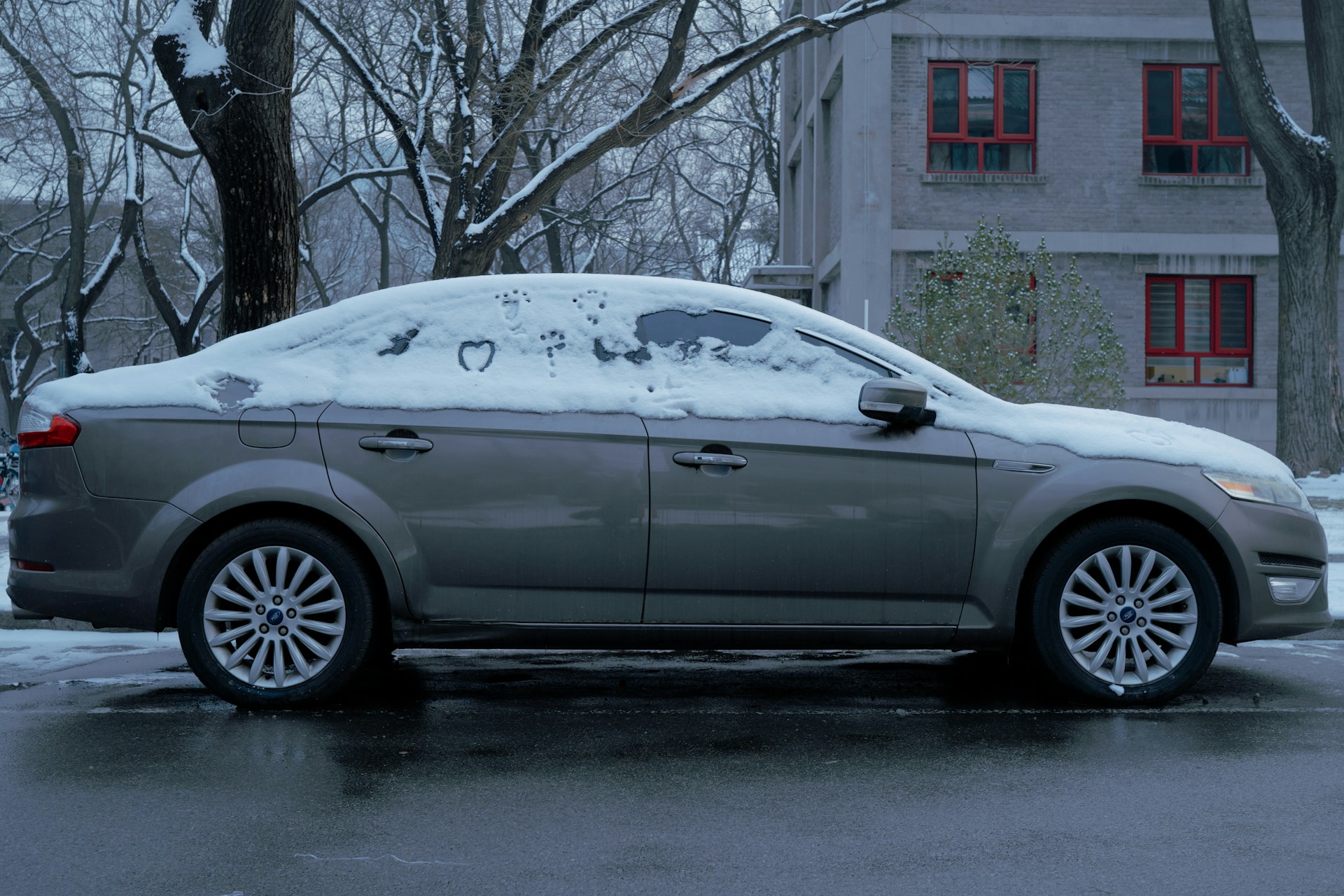
    Long Island winters bring a mix of snow, ice, freezing rain, and plenty of salt-covered streets. For drivers already on a tight schedule, a little preparation can go a long way. Especially when you are shopping for or maintaining pre owned cars in Centereach, NY, it is smart to plan ahead before the weather takes a turn.

    When roads in and around Centereach start icing up or snow piles along the curbs, older vehicles, particularly those that have not been prepped, can struggle. Wipers freeze up, tires lose grip fast, and starters work overtime trying to crank a cold engine. Some streets do not get salted right away, so staying in control behind the wheel really depends on how road-ready your car is.

    We have seen how small issues worsen when winter arrives. It is better to be proactive now, especially while the weather is still mild and appointments are easier to get. If you wait too long, mechanics fill up, auto shops run short on common winter parts, and the first cold snap can leave you scrambling.

    Another reason to plan ahead is that winter often brings surprise weather events. Sudden snow, freezing rain, and the occasional nor’easter can close roads or slow traffic at a moment’s notice. When your car has already been checked out and is winter-ready, it is much less stressful to deal with whatever weather comes your way. Being prepared helps keep daily travel on track, whether you are heading to work or getting kids to school on an icy morning.

    The Value of Starting Winter with a Sound Vehicle

    Postponing a checkup can turn a minor fix into a cold roadside delay. Whether it is a silent battery, slipping tires, or a heater that suddenly stops working, small problems have a way of showing up at the worst times.

    That is why we always suggest heading into winter with a car you can trust. There is peace of mind in knowing that the tires are solid, the battery is strong, the heater is warm, and the brakes will respond when you hit a patch of ice. When you are confident in your car, it is one less thing to worry about when snow starts falling on the morning commute.

    At our dealership in Medford, NY, we make it easy to shop a diverse pre owned inventory perfect for Suffolk County drivers who need winter-ready options. We update our listings regularly and provide helpful tools for comparing features that matter most in cold weather.

    Consider how unpredictable winter can be across Centereach and the rest of Long Island. Even if last winter felt mild, the weather can shift from rain to snow quickly, leaving unprepared vehicles struggling. When you have a car that’s already checked over, small cold-weather annoyances like frosty windshields, slow cranking, and road salt buildup become easier to handle. You’ll spend more time on the move and less time on the side of the road.

    Starting winter with a dependable vehicle isn’t just about convenience, it is about safety and avoiding extra expenses. The road conditions can be rough and mistakes cost more when it is cold. Having your car’s big systems checked or knowing the history behind your pre owned purchase makes every drive safer and more comfortable.

    Stay Ahead of the Cold with a Smarter Approach

    Getting ahead of winter does not take much, especially when you know what to pay attention to. A few fast checks now can keep you off the shoulder later. For anyone prepping a used car or thinking about buying one soon, fall is the most forgiving window to make sure everything looks good.

    Cold weather does not give second chances. Snow, ice, and road salt create rough conditions that test every corner of your car. A windshield wiper that worked fine in September might freeze stuck in December. Brakes that were slightly worn may not stop you fast enough when the roads are slick.

    Preparing now gives you a better chance to stay safe, comfortable, and in control no matter what the season brings. When the snow starts falling, you will be glad you took the time to get everything checked early.

    Getting ready for winter is easier when you see the updated inventory at 112 Certified, making it simple to find a vehicle that matches your needs before colder weather arrives. Now is the perfect time to browse our selection of pre owned cars in Centereach, NY, especially if your current vehicle shows signs it might not last through the season. Contact us with any questions or let us know if something catches your eye, and our team will help every step of the way.

    Read More
    CATEGORIES »
    TAGS »

    10-19-25

    How Quality Used Vehicles Perform After Winter Weather Hits

    After months of snow, slush, and salt-covered roads, it's no surprise that vehicles take a hit during winter. In places like Long Island, where icy mornings and wet roads are a regular thing, your car deals with more than just the cold. It faces repeated stress from freezing temperatures and rough driving conditions. That’s why how a vehicle holds up after winter is worth thinking about, especially if you're shopping for your next ride.

    When you’re looking for something that lasts and keeps its value, quality used vehicles can offer more than just a good price. They can also deliver dependable performance, even after weathering a tough season. What matters most is how the car was taken care of and whether it was built to handle real-world winter wear. Let’s take a look at what happens to cars during winter and how used models perform once the cold starts to fade.

    How Cold Weather Impacts a Vehicle Over Time

    Winter doesn’t just make driving more difficult, it affects how your vehicle runs and wears over time. Every cold morning and icy road plays a small part in how parts hold up.

    • Freezing and thawing cycles can lead to pressure changes in your tires and fluids. Batteries can struggle to keep a charge, especially after a few years of use. Cold air thickens engine oil, which makes it harder for the engine to turn over until things warm up.
    • Road salt is great for melting ice but tough on metal. Over time, it can lead to rust, especially on the underbody and suspension. If not rinsed off regularly, it can cling to hidden spots and slowly eat away at parts.
    • The rougher the road from frozen patches or potholes, the more strain there is on suspension systems, shocks, and steering. That wear might not show up right away but becomes noticeable fast if left untreated.

    These effects don’t mean a car is no good after a snowy season. It just means that routine checks and some extra care in the colder months go a long way, especially for used cars that have already been driven a few years.

    What To Check Once Winter Is Over

    As the temperature warms up and spring settles in, it’s smart to take a few simple steps to make sure your vehicle’s ready for a fresh start.

    • Brakes tend to take a beating in winter with all the stop-and-go driving and slippery roads. Have them looked at to check for uneven wear, rust on the rotors, or changes in brake feel.
    • Suspension and alignment can shift from potholes or constant jarring plays in icy conditions. If your car pulls to one side or feels bumpy, a quick check can spot the issue before it gets worse.
    • Snow and salt can lead to rust, especially underneath. Take a close look at the frame, exhaust, and wheel wells. If you see flakes or bubbling, don't ignore it, it can worsen fast.
    • Fluids may need refills or changes. Wiper fluid often gets used up quickly during winter, and motor oil may be ready for a change if the last one happened before the cold set in.

    Catching these small wear-and-tear signs early can help avoid bigger problems. A post-winter check shouldn’t be skipped, no matter if your car is newer or already has a few miles on it.

    How Quality Used Vehicles Hold Up After a Tough Season

    Used doesn’t mean worn-out or weak, especially when you’re looking at models that were well cared for. A lot of today’s quality used vehicles are ready for year-round driving and don’t lose performance just because winter was rough.

    What matters most is how it was maintained. If the car had scheduled oil changes, tire rotations, and regular inspections before and after winter, it often handles wear better than something brand-new that was ignored. It might not have that factory shine, but underneath, things can still run smooth.

    At 112 Certified, we carefully select inventory based on quality and condition, so customers can choose from vehicles that have been through multipoint inspections prior to listing. Detailed CARFAX history reports are available on our site to make it easy to see what maintenance and care a vehicle has received.

    When a vehicle's history shows attention and upkeep, there’s a good chance it’ll hold up strong through another season. That’s why smart buyers look beyond mileage and focus on records and ride quality. Quality used vehicles stand out in this way. They offer value not just at the time of purchase, but in how they keep performing across seasons, including after a tough winter.

    Driving Into Spring With Confidence

    Once the ice melts and roads clear up, it's time to get your vehicle ready for longer drives and smoother days. Spring brings a shift not just in temperature but in how and where we drive each week.

    • Switch out your winter tires for all-seasons or warm-weather ones. This helps with gas mileage and gives a quieter ride.
    • Check all fluid levels and top off as needed. That includes brake fluid, washer fluid, coolant, and oil, depending on the last change.
    • Give the inside a fresh clean. Winter brings in salt, mud, and grit that gets worked into the carpets and seats. A detailed vacuum and wipe-down helps the car feel ready again.
    • Take time to test things like the AC, headlights, and wipers. You may not have used them much in the cold, but with sunlight returning and rain coming through, every part should be working its best.

    We find that drivers feel more confident when they know their car is back in warm-weather shape. It’s just one more way to stay ahead and keep things running smoothly into the next season.

    Ready for the Road Ahead

    Once winter is over, the real test for any car begins. It’s not whether it looks clean on the outside, but how it drives each day without slipping, stalling, or breaking down. A lot of used vehicles perform well past their first snowfall. When they’ve been kept up properly, they come out of winter with plenty of life left and can be trusted once the sun starts to shine again.

    Staying aware of how winter affects certain parts and planning for follow-up care makes a big difference. Knowing what to expect and what to look for keeps you in control. And when you start with a car that already has a dependable track record, it’s easier to keep things simple no matter what the season looks like.

    Ready to upgrade to something that handles the seasons with confidence? At 112 Certified, we know a well-maintained vehicle means peace of mind year-round. Check out our selection of quality used vehicles built to last long after winter is gone. Count on us to help you find a reliable option without any hassle. When you’re ready, give us a call and let’s discuss your next move.

    Read More
    CATEGORIES »
    TAGS »

    10-19-25

    Pre Owned Vehicles for First Time Buyers in Middle Island NY

    Buying your first car can bring on a mix of excitement and nervous energy. It's a big step, and for many people around Middle Island, NY, it's one of the first major purchases they’ll make. The good news is that pre owned vehicles can be a smart move when starting out, especially if you’re looking for something dependable without a heavy price tag.

    Fall makes shopping for a car a little easier too. The cooler weather helps when walking through lots, and with fewer scheduling conflicts than summer, it's often easier to test drive and take your time. If you’re thinking about getting your first car this season, we put together a few things to keep in mind before heading out to look.

    Why Pre Owned Vehicles Make Sense for First-Time Buyers

    When starting out, most drivers want something reliable without breaking their budget. That’s where pre owned vehicles come in. They allow more flexibility and make sense for buyers who are being extra careful about where their money goes.

    • One of the main benefits is the lower upfront cost. You can often find solid cars that have already taken their biggest drop in value. That means you’re not paying for that new-car dip just from driving it off the lot.
    • With used vehicles, depreciation slows down. So when it’s time to sell or trade a few years down the line, your loss in value may not be as steep compared to a new model.
    • You also get more options when it comes to features. A car that’s a couple of years old might fit your budget better than a stripped-down new one. That could mean getting extras like heated seats, Bluetooth, or a backup camera without spending more.

    First-time buyers don’t always know exactly what they want, which is totally normal. Buying used means you can find a car that checks most of your boxes, not just the basics.

    At 112 Certified, we offer a diverse inventory in Medford, NY, and update our listings daily so first-time buyers have fresh options to choose from.

    What to Look for in a Pre Owned Vehicle

    Shopping used doesn’t mean lowering your standards. You just have to know what to look for.

    • Mileage gets a lot of attention, but it shouldn’t be the only thing you focus on. A well-cared-for vehicle with slightly higher mileage may be better than a lower-mileage car that wasn’t serviced properly.
    • Interior and exterior wear can tell you a lot. Look at the seats, dashboard, doors, and paint. If something feels off or overly worn compared to the mileage, it might be worth asking about.
    • Repairs and upgrades should be done properly. Whether it’s tires, brakes, or tech additions, you want to make sure they weren’t done in a rush or by someone guessing their way through.
    • Always ask to see the service history. Regular upkeep can give you more confidence that the car was treated well.

    Even if you’re not a car expert, taking your time and asking questions makes a big difference. You’ll feel better about the car you end up with and probably avoid some headaches too.

    We make it easy to view detailed vehicle information, including year, make, mileage, and CARFAX history reports, right on our website, helping you shop smarter and with extra peace of mind.

    How to Prepare Before You Start Shopping

    Before stepping onto a lot or calling about a listed car, it’s helpful to have a few things figured out.

    1. Set a budget that includes more than just the car’s price. Registration fees, insurance, and taxes can add up, so it helps to leave room for those too.

    2. Make a simple list of the things you care most about. If you drive a lot locally in Middle Island, things like fuel economy, parking ease, or heat for colder weather might matter more. Maybe you need more trunk space for gear or groceries. Listing priorities helps you stay focused.

    3. Bring someone along you trust. Whether it’s a parent, sibling, or close friend, having another set of eyes can be helpful. They might notice something you miss or ask a question you hadn’t thought of. It's not about expecting problems, it's about feeling more comfortable with your choice.

    Being ready when you start shopping keeps things relaxed and lets you stay in control. The more you’ve thought through ahead of time, the less pressure you’ll feel once you're there in person.

    Why Fall Is a Good Time to Buy

    After summer fades and before the winter sets in, fall tends to be a smoother season for making big decisions like buying a car.

    • The weather is more comfortable, which makes test driving and walking around lots more pleasant. You’re not dodging heat waves or ice.
    • Fall gives new drivers time to get used to the car before snow, salt, and early sunsets hit full force. That practice can help when winter driving arrives in Suffolk County.
    • Dealerships are less busy than during late spring and summer, which could mean fewer wait times for appointments or questions. You might find that staff can spend more time walking you through options if things are quieter.
    • With school already back in session, there’s often more afternoon and weekend availability in early fall. That flexibility can really help when you're trying to fit big decisions into a packed schedule.

    Shopping during this season lets you settle in with your car before the coldest months, which makes your first winter as a driver a little less stressful.

    Smart Decisions Lead to Smoother Rides

    Buying your first car doesn’t have to feel like a guessing game. When you focus on clean, dependable pre owned vehicles and give yourself space to think things through, it’s a lot easier to make a choice that fits your day-to-day life.

    With the right prep and the perfect time of year, a little planning now can help you feel more confident well beyond the test drive. Taking those extra steps now means that when winter finally comes, you’re already set to handle whatever the road brings.

    Ready to take the next step toward finding your ideal first car? We offer a wide range of options to suit your needs, from commuting around town to enjoying weekend adventures off Long Island. You can check out our current selection of pre owned vehicles to see what works best for your budget and lifestyle. At 112 Certified, we make sure you feel comfortable and supported throughout the entire process. Call us or stop by when you’re ready to start the conversation.

    Read More
    CATEGORIES »
    TAGS »

    10-12-25

    What to Expect From a Used Car Warranty in Holtsville NY

    Buying a used car gives you a lot to think about. There’s what kind of vehicle you need, how much you want to spend, and whether everything under the hood is going to last. For many drivers, that’s where a used car warranty becomes part of the conversation. In Holtsville, NY, where temperatures shift fast in fall and winter, it’s not just about avoiding unexpected costs. It’s about knowing someone has your back if something goes wrong. But not every warranty works the same way. Some protect you longer, and some only cover certain parts. Knowing what to expect before you sign anything can make the process a lot less stressful.

    What a Used Car Warranty Actually Covers

    Not all warranties are the same, but most follow a few common rules. When people hear the word "warranty," they often think everything is covered. That’s not usually the case. Most used car warranties focus on major systems and working parts the car needs to run. These are often called powertrain warranties.

    • Powertrain coverage usually includes the engine, transmission, and drivetrain
    • It may cover the timing belt, gaskets, and oil seals if those are connected to major parts
    • Some warranties extend to certain electrical components, though many do not

    On the other hand, a warranty typically does not cover wear-and-tear items. That means you’ll still be responsible for regular maintenance like oil changes, air filters, brake pads, and tires. Parts that wear down naturally from driving usually aren’t included. The age and mileage of the car also make a difference. A warranty on a newer used vehicle will likely give you more coverage than one with higher miles.

    Keep in mind that all terms have limits, and you’ll want to know exactly what’s covered. Some plans are basic, others more detailed. Either way, asking for the full breakdown helps you avoid being caught off guard later.

    At 112 Certified, our used vehicles are clearly listed by year, make, model, and mileage on our website, making it simple for Holtsville shoppers to see what coverage and history may be available for each car.

    Differences Between Dealer Warranties and Extended Warranties

    It’s easy to assume that if a car is still running, you don’t need a warranty. But a lot of people find comfort in knowing that if something big goes wrong, they won’t be stuck paying for it on their own. That’s usually where dealer warranties or extended warranties come into play.

    A dealer warranty is often included when you buy the car. It might only last for a short amount of time or cover the first few thousand miles. Think of it as a safety net for immediate repairs after purchase. Some buyers find this helpful during those first few weeks of driving.

    An extended warranty, on the other hand, is something you pay for separately. It can last much longer and may offer broader protection. This includes more vehicle parts and possible roadside assistance or rental coverage, depending on the plan.

    • Dealer warranties are often short-term and included with the sale
    • Extended warranties last longer and include more services but cost extra
    • Not all vehicles are eligible for extended coverage based on age or condition

    Choosing whether an extended warranty makes sense depends on your driving habits, how long you plan to keep the car, and your comfort level with possible repairs later on. Some people want the backup, while others prefer to save for repairs as needed.

    For added reassurance, 112 Certified offers select used vehicles that may be eligible for additional service contracts, helping customers feel even more secure in their purchase.

    What to Ask About Before Agreeing to a Warranty

    Before signing any paperwork, it’s smart to ask a few simple but important questions. Warranties often look good on paper, but the fine print can tell a different story. You’ll want to know not just what is covered, but who is standing behind the coverage.

    Some dealerships provide the warranty themselves. Others use a third-party company. This matters if something breaks and you need to know who to call for help. Make sure you’re not stuck guessing later.

    Here are a few things to ask about upfront:

    • Who provides the warranty and is it accepted locally or only at certain shops?
    • How long does the warranty last, and what are the mileage limits?
    • Are there deductibles or repair fees you’ll need to pay out of pocket?
    • Can you get a clear list of what's covered and what isn’t, in writing?

    Even though these questions might feel like a lot at first, they can save you a headache down the road. Clear paperwork helps you avoid surprises. If a dealership won’t answer your questions or seems vague, that’s usually a sign to slow down.

    How Holtsville Drivers Can Benefit from Extra Protection

    Living in Holtsville, NY means your car sees all kinds of conditions. From rainy fall mornings to icy roads in late November, vehicles take a beating this time of year. Warranty coverage can give you some breathing room, especially as temperatures drop.

    Cold weather can be tough on older engines, batteries, suspension parts, and sensors. If something needs repair, having a used car warranty in place can mean quicker solutions without the full cost coming out of your pocket.

    • Local roads often see salt buildup in the winter, which can speed up rust and damage
    • Commuters heading to nearby towns or highways deal with stop-and-go traffic and longer stretches of wear
    • Seasonal changes put extra pressure on heating systems, tires, and belts

    For Holtsville drivers dealing with early-morning school runs or daily commutes, a decent warranty removes some of the stress of winter driving. You don’t have to wonder if a check engine light is going to wreck your whole week.

    Peace of Mind That Lasts After You Drive Off

    Used cars come with a bit of mystery. You didn’t own them from day one, so there’s always a bit you don’t know. A solid warranty helps balance that out. When you understand what’s covered, how long it lasts, and what to expect if a repair comes up, you feel more in control of the situation.

    Asking questions and reading the fine print may not be the most exciting part of the buying process, but it builds trust. It also helps you plan ahead. For drivers in places like Holtsville, NY, where fall quickly gives way to snow and salt, that extra layer of coverage can go a long way in making day-to-day driving less stressful. A good used car warranty won’t solve every future repair, but it can make them a lot easier to deal with.

    Enjoy long-term peace of mind on the road by feeling confident in the coverage that protects your vehicle. We understand how important it is to know the details of a used car warranty before making a decision. From engine repairs to weather-related wear, having the right protection can make all the difference over time. At 112 Certified, we’re ready to help you explore the best options for your drive. Give us a call when you want to discuss your coverage needs.

    Read More
    CATEGORIES »
    TAGS »

    10-12-25

    Used Car Dealerships in Long Island NY That Are Easy to Work With

    Finding a used car shouldn’t feel stressful, but let’s be honest, it often is. You walk in not knowing what to expect, and it’s easy to worry about getting talked into something that doesn’t fit your needs. Around Long Island, we hear the same thing from a lot of drivers, they just want the process to feel simple. No pressure, no hard sells, no fine print that surprises them later.

    Someone shopping at a used car dealership in Long Island should feel like they’re in control, not working through a maze of confusing terms or rushed decisions. A good experience starts with trust, and it should carry through from the first visit to the moment you drive off the lot.

    What Makes a Dealership Easy to Work With

    When you're car shopping, small things make a big difference. We’ve noticed it’s not just about price or what’s on the lot. It's how you're treated the moment you arrive. Here’s what tends to separate the good from the frustrating:

    • Staff that explain things clearly, without trying to talk over your head or push you into quick choices
    • Time to test drive cars and ask questions without someone walking five steps behind you the whole time
    • Financing and trade-in steps that don’t feel like puzzles you need to solve on the spot
    • An organized process with less sitting around in the waiting area, wondering what’s going on

    When it all works together, the visit feels productive instead of exhausting. We believe buying a used car should be something you feel good about when you head home.

    Sometimes, the overall feeling in the building says a lot about the dealership. A relaxed atmosphere where staff offer straightforward help lets you trust your own choices more. When you're not rushed or pressured, it's easier to think through options. People notice when questions are answered with patience and there's space to think without interruption.

    Questions to Ask Before Visiting Any Dealership

    Walking in prepared gives you more control. Even if you don’t know everything about cars, having a few questions ready helps you spot whether a dealership is straightforward or hiding important details.

    • Are the cars inspected before sale, and can they walk you through what’s checked?
    • How is the pricing decided, does it reflect repairs or upgrades already completed?
    • What’s included in the sale? Is there a limited warranty or any written history of past owners?
    • Can they give you an out-the-door price breakdown before paperwork starts?

    These questions aren’t about challenging anybody. They keep you from being surprised later. If someone doesn’t want to answer or glosses over the details, that’s usually a sign to pause before you move forward.

    Sometimes it helps to keep a written list so you don't forget what's important to you. Asking for details about a car's history or work that's been done helps you understand its real value. If staff have quick, complete answers, that’s usually a positive sign.

    Signs a Dealer Might Be the Right Fit

    Sometimes the right place just feels better from the start. It's not just about how many cars are outside. It’s how easy it is to see what they actually offer and how they treat people throughout the process.

    Here are a few signs we look for:

    • Online reviews that feel real, especially ones that mention people being treated fairly from beginning to end
    • A website that’s easy to use, with up-to-date listings so you don’t waste time on unavailable vehicles
    • Staff that follow up politely if you reach out, but don’t keep messaging if you say you’re still thinking

    If something feels clear and relaxed before you even stop in, that usually means they’re set up to make the next steps smoother too.

    We keep our website updated daily with available options, accurate details, and plenty of photos for every listing. That way, you always know exactly what’s on the lot and can make smarter choices without second-guessing.

    Visibility and openness go a long way during the search. Being able to see pricing, photos, and information right away helps you get familiar with what’s available. If you visit in person, you’ll notice if the dealership feels organized or not, little things like clean waiting areas and well-marked inventory can make your visit a whole lot easier.

    Polite follow-up makes it feel like you’re talking to actual people, not just salespeople with scripts. If a dealership checks in at a pace you’re comfortable with and accepts that you need time, it’s another sign they care about your comfort, not just making a fast sale.

    Why Local Dealerships Make the Experience Easier

    Choosing a dealership close to home isn’t just convenient. It can make everything feel more connected once the sale is done. You’re not chasing someone an hour away for questions or waiting days to drop off paperwork.

    • It’s easier to follow up about the car or the title transfer if something needs attention later
    • Appointments for paperwork, service, or questions tend to be more flexible when staff know you live nearby
    • Local staff understand the roads we drive every day, from tight village blocks to stormy back roads during fall and winter

    There’s comfort in working with people who know what your mornings and commutes really look like. It makes the conversation about features, durability, and reliability feel a lot more real.

    At 112 Certified, we are proud to be based in Medford, NY, serving Long Island and the surrounding areas with a wide variety of pre-owned vehicles. Our focus has always been on being approachable and transparent, whether you buy online or in person.

    Staying local also means you can handle questions or service needs quickly, without traveling far. Familiarity with the area lets dealerships offer tips about cars that work best for your specific roads and weather. It’s easier to build ongoing trust with people who may see you around town, not just during the sale. Local businesses often support each other, which brings a larger sense of trust for everybody involved.

    Real Confidence Comes from a Low-Stress Experience

    We’ve all had to make big purchases that left us tense or second-guessing. Buying a used car doesn’t have to feel that way. When you know what matters most, clear answers, fair treatment, and a calm process, it becomes easier to sort out which dealerships are worth your time.

    The more comfortable we feel asking questions, checking facts, and thinking things through, the better our decisions end up being. Finding a used car dealership in Long Island that’s easy to work with makes the whole experience feel less like a chore and more like progress toward something that fits your life.

    Searching for a low-pressure, local experience with real choices? At 112 Certified, we believe buying a car should be simple and straightforward. When you work with a team that genuinely listens and helps you find options that fit your lifestyle, the process just feels better. Explore a used car dealership in Long Island where your needs come first, and reach out to us whenever you’re ready to start the conversation.

    Read More
    CATEGORIES »
    TAGS »

    10-05-25

    Addressing Windshield Wiper Problems in Used Cars

    Your windshield wipers may not grab your attention when everything’s running smoothly. But once they start to fail, especially during a rainy streak or a frost-filled morning, they go from unnoticed to frustrating pretty quickly. For used car owners around Medford, NY, where the seasons can bring both heavy rain and early cold snaps by October, windshield wiper issues can become a bigger hassle than you’d expect.

    Wipers play a major role in visibility and safety, and when they’re not working right, your time on the road can become risky. Smearing, skipping, or just plain not clearing off the windshield can make even a quick trip stressful. With that in mind, spotting problems early and understanding what’s behind them can help you stay ahead of bigger issues. Let’s cover what goes wrong and how to handle it.

    Identifying Common Windshield Wiper Issues

    If your wipers aren't doing their job like they used to, you're not alone. Used cars, especially older ones, can be more likely to show these signs just because parts wear down over time. Here are some common signs that something’s up with your wipers:

    - Streaking or smearing: Instead of wiping away water, the blades leave behind streaks, making it harder to see the road.
    - Skipping or chattering: The blades bounce across the windshield or make an annoying squeaking sound. This usually means they aren’t making even contact with the glass.
    - Inconsistent wiping: Some areas get cleaned while other sections stay blurry or wet, especially near the corners or edges.
    - Wipers don’t sit properly: When parked, the wipers may stop in the wrong spot instead of returning to the base of the windshield.

    It’s easy to shrug off these issues if they come and go, but even small wiping problems can become major during a downpour or early morning frost. One Medford driver put off replacing their worn-out blades for weeks. Then came a rainy night commute. Half their windshield stayed foggy no matter how high they cranked up the wipers. That short drive turned into a slow, nerve-wracking crawl.

    It's better to catch these things early and figure out what's causing the problem before the bad weather rolls in.

    Diagnosing the Causes

    Understanding what’s causing the wiper issues makes it easier to explain the problem when you're getting your car checked. Some problems are fairly straightforward, while others might point to a mechanical issue that needs a professional look.

    Here's what could be behind those wiper problems:

    - Worn-out wiper blades: This is probably the most common reason. Blades don’t last forever. After a certain point, the rubber hardens, cracks, or loses shape.
    - Dirt and debris: Tiny bits of sand or dust can gather at the edge of the blades or under them. That can mess with full contact on the windshield and lead to streaks.
    - Bent wiper arms: If the arm holding the blade gets knocked or bent, the blade might not lie flat. That’s when it starts hopping or only wiping part of the glass.
    - Motor weakness or linkage issues: If the blades are slow, jerky, or don’t move evenly, there may be something going on with the wiper motor or internal linkage. This isn’t something to ignore. If the motor gives out during a storm, you’ll be stuck without any way to keep the windshield clear.

    The best way to figure it out is by paying attention to when the problem happens. Does it occur in light rain or only during heavy rain? Do both wipers have issues or just one? That can help narrow down whether it’s the blades or something deeper in the system.

    Solutions and Maintenance Tips

    Keeping your windshield wipers in good shape doesn't have to be complicated. Regular maintenance can save you the headache of dealing with wiper issues during a downpour. Here’s how you can stay ahead of the game:

    - Clean the wiper blades: Dirt and grime accumulate on wiper blades, affecting performance. Every couple of weeks, wipe the blades with a clean cloth and some soapy water to remove any buildup. Once cleaned, rinse them off and let them dry completely before using.
    - Replace the blades regularly: Some suggest replacing wiper blades every six to twelve months, depending on their condition. If they begin to leave streaks or make noise, it might be time for new ones. This simple step helps maintain clear visibility at all times.
    - Check the wiper fluid reservoir: Make sure your wiper fluid reservoir is full, especially before bad weather hits. Use a winter-grade fluid to prevent freezing. During freezing temperatures, regular fluid can cause the reservoir or lines to freeze, leading to unexpected hassles when you need it most.
    - Adjust wiper arm tension: If your blades aren't making full contact with the windshield, try pressing down gently on the wiper arm to improve contact. Avoid applying too much pressure as it might damage the wiper arm or bend the hinges.

    Taking these preventive measures can keep your wipers working well and your windshield clean, which translates to safer drives in all weather conditions.

    When to Seek Professional Help

    While simple maintenance can address many wiper problems, some issues require a professional’s touch. Here’s when you should turn to an expert:

    - Persistent problems: If streaking, chattering, or incomplete wiping continues despite changing the blades, the issue could lie deeper. A mechanic can check for problems with the wiper motor, linkage, or blade alignment.
    - Unusual noises or movements: Grinding sounds or erratic movements might signal a problem with the motor. Motors that are strained or failing will not provide proper power to the wipers, which compromises their function.
    - Rain sensor malfunctions: Some cars have automatic wiper systems that adjust speed based on rain intensity. If this system isn't working correctly, reaching out to an auto professional will ensure the electronic components aren't faulty.

    Regular inspections and professional help can save time and prevent worsening problems. Consider building routine checks into your car care schedule to keep everything running smoothly.

    Keep Your Windshield Clear and Safe

    Windshield wipers might seem small compared to other car components, but their role in keeping you safe is significant. Consistent care and attention will ensure they’re ready to face whatever Medford weather throws your way. The peace of mind that comes from knowing you’ll have clear visibility in rain or snow is priceless.

    Reflecting on the main points, make sure you address common windshield wiper problems when they arise. From noticing streaks to dealing with a dodgy motor, getting things sorted quickly will help maintain focus on the road. Regular check-ups and simple fixes can provide you with a safer, smoother drive for every season in Medford.

    Ensure clarity on the roads with well-maintained windshield wipers. If you're thinking about upgrading to something more dependable for changing weather in Medford, now’s a smart time to buy a used car from 112 Certified. We’ve got a variety of options that can match your needs and help you feel confident every time you drive.

    Read More
    CATEGORIES »
    TAGS »

    10-05-25

    Understanding Used Car Title Status

    When you're getting ready to buy a used car, there are a few things you'll want to double-check before you say yes to the deal. One of the most important is the car’s title status. This is something a lot of people don’t think about until it causes a problem. The title tells you more than just who owns the vehicle. It gives clues into the car’s history, including whether it’s been in an accident, declared a total loss by insurance, or had other major issues.

    Understanding title status can make a big difference. It can help you avoid bad surprises and make sure you’re not taking on someone else’s headaches. If the title isn't clean, you could end up with a car that’s hard to insure, tough to resell, or unsafe to drive. Knowing what each type of title means and how to check it can save a lot of time and money down the road.

    What Is Car Title Status?

    Car title status tells you about the legal and mechanical past of a used vehicle. It's more than just a piece of paper showing who the owner is. It can uncover things like accident history, flood damage, insurance claims, or major repairs. The title helps you know what you’re really buying.

    Here are the most common types of titles you’ll come across:

    • Clean Title: This means the car hasn’t had any major damage or insurance issues. It’s usually the safest kind to buy.
    • Salvage Title: The car was declared a total loss by an insurance company, usually due to an accident, flood, or other serious damage. It hasn’t been fully fixed yet.
    • Rebuilt Title: The car once had a salvage title but has since been repaired. It should be road-ready again, but it's been through a lot.
    • Lemon Law Buyback: This means the car had repeated problems while still under warranty and was legally required to be bought back by the manufacturer.

    Each title type affects the value and reliability of the car. A clean title often means the car is more dependable and easier to insure. A rebuilt or salvage title might come with a lower price, but you trade that for potential risks. These cars may have hidden problems or be hard to sell later. For example, someone might buy a truck with a rebuilt title to save money, but they may have trouble getting it inspected or insured.

    The title alone won’t tell you everything, but it gives a strong first sign of whether the car is worth looking into further. If it’s not a clean title, slow down and explore the details before moving ahead.

    How To Check A Used Car’s Title Status

    Before you hand over cash or sign anything, it's smart to check the title status yourself. It doesn’t take long and can give you peace of mind.

    Here’s a quick list of ways to check a car’s title status:

    1. Online VIN Reports: Use the car’s Vehicle Identification Number (VIN) to look it up through online services. These reports often include title history, accident records, and possible red flags.
    2. DMV Records: Your state’s Department of Motor Vehicles can provide title information. Some states offer it for free, while others may charge a small fee.
    3. Ask the Seller: Request a copy of the title and compare it to the car’s VIN to make sure it matches.
    4. Look for Physical Clues: Mismatched paint, uneven panels, or odd wear could be signs the car has been fixed or patched up after an accident.

    Always cross-reference the VIN listed on the vehicle with what’s on the reports and title document. If anything doesn’t match or feels off, treat it as a warning sign. Don’t rely only on a good-looking car or a low price.

    Getting the full picture might take an extra day or two, but that time is worth it. Mistakes with titles can lead to big issues later, from being stuck with a car you can't register to surprise repairs that weren’t shared. A quick check now can help you avoid bigger problems later on.

    Implications of Different Title Statuses

    Knowing what each title status means can make a big difference when you’re shopping for a used car. A clean title gives some peace of mind, showing that the vehicle hasn’t had any serious damage or insurance claims. These cars usually bring fewer surprises and better insurance options. A car with a clean title is also easier to resell and finance, making it a good pick for many buyers.

    A salvage title, on the other hand, shows that the car suffered major damage, often due to crashes or natural disasters. Salvage vehicles might look like a bargain at first, but they carry more risk. It can be hard to get full insurance coverage, and the car’s value drops a lot. There can also be hidden damage that wasn’t fixed completely, so you’ll want a mechanic to check it out before you consider buying.

    A rebuilt title means someone repaired a salvage car to make it road-ready again. While these cars can help save money, they still come with concerns. Repairs might have used lower-quality parts or shortcuts that affect performance later. While some rebuilt cars are just fine, others could give you problems down the line.

    Lemon law buyback cars were returned to the manufacturer after repeated problems under warranty. These vehicles could have been fixed before being resold, but the past issues might return. That’s risky if you’re looking for something reliable for daily use. These cars often sell for less, but it comes with uncertainty.

    Before going for a car with a salvage, rebuilt, or buyback title, you’ve got to think seriously about what you’re getting. They might save you money upfront, but they need more attention and inspection. It’s also a good idea to talk with your insurance company beforehand to understand how the title might affect your policy.

    Why Title Status Matters When You Buy a Used Car

    Title status isn’t just a detail. It can hit your wallet, your insurance options, and even your safety. If the car has a bad title, it may become an expensive mistake. Insurance companies might refuse full coverage or deny a policy altogether. That can leave you exposed in case something happens.

    Financial trouble doesn’t end there. Cars with bad titles usually lose more resale value, so upgrading or selling later might not be easy. Think about how hard it could be to trade in a rebuilt vehicle compared to one with a clean history.

    Then there’s the safety risk. Repairs on salvage or rebuilt cars aren’t always complete or done right. Let’s say you get a rebuilt SUV to handle the Medford, NY winters, but it turns out the electrical system has recurring issues. That could mean roadside trouble or breakdowns when you need it most.

    For all these reasons, title status matters more than people think. Knowing this info upfront means you don’t have to gamble with your money or safety. It gives you the power to pick a car that fits your life instead of leaving things to chance.

    Make Sure You're Getting the Full Story

    Getting the real story behind a used car starts with checking its title. It’s the best way to make sure your next ride doesn’t come with hidden baggage. A car might shine on the outside, but what’s on the paperwork and title could tell a different story.

    Taking just a little time to run a VIN check and go over the title can make all the difference. It can help you avoid getting stuck with a car you can’t register, resell, or drive without repair bills piling up. So before you say yes to any deal, ask about the title and review the records.

    With a little effort upfront, you'll be in a better spot long-term. Making sure your next car has the right title status helps protect your money, insurance choices, and peace of mind. And when it's time to hit the road, you'll feel good knowing you asked the right questions.

    If you're getting ready to buy a used car, make sure you're shopping with confidence. At 112 Certified, we offer a solid lineup of dependable vehicles that match a variety of needs and budgets. Explore our buy a used car options and drive away knowing you made a smart choice.

    Read More
    CATEGORIES »
    TAGS »

    09-28-25

    Fixing Door Lock Problems in Used Cars

    A car door that won’t lock or unlock right away might seem like a small issue, but it can create bigger headaches if ignored. Whether you're getting into your ride after a long day or trying to lock up before heading into the grocery store, you want your car doors to work like they’re supposed to. That’s especially true when you’re checking out used cars. Worn parts, weather changes, and long-term use can all affect how well those locks hold up.

    Medford, NY, shifts into cooler weather once October rolls around. Cold temps can highlight problems you might not notice during the summer. Rubber seals get stiffer, electronics react differently, and little annoyances with your door locks might become real problems when the frost hits. That’s why it’s smart to learn what causes these issues and how to spot them before they get worse.

    Identifying Common Door Lock Issues

    Used cars can come with their fair share of quirks, and door lock problems tend to be one of the more common ones. Sometimes the fixes are simple. Other times, they take a bit more work. The first step is figuring out where the problem is coming from.

    Mechanical problems usually lead to things like:

    • Stuck buttons or door handles that won’t move
    • Locks that jam partway between locked and unlocked
    • Keys that don’t turn smoothly in the cylinder

    If you're dealing with an older car, there's a good chance it still relies on manual systems. In those cases, worn-out rods or broken springs inside the door can cause locks to act up.

    On the other hand, newer used models often come with powered locks. This brings a whole different set of problems. The most common is a faulty door lock actuator. This little motor is buried behind the door panel and controls whether the latch opens or not when you click the key fob. If you press the button and hear a noise but the lock doesn't move, the actuator could be failing.

    You might also run into problems with key fob batteries or the car’s internal wiring. A simple dead battery in the fob can keep you from getting in. Other times, the lock works on one door but not the others, which suggests a more specific issue. Fall weather in Medford can also lead to issues caused by moisture, condensation, or even early morning frost interfering with connections or stiffening up old parts.

    Just think about trying to unlock your car during a chilly morning commute, only to find the mechanism frozen or unresponsive. That’s the kind of situation you want to avoid when buying a used car. Knowing the signs helps you ask better questions at the lot or spot red flags before making a decision.

    Basic Troubleshooting Steps

    Once issues are spotted, you might wonder whether they’re serious or something simple. While some repairs need to be left to the pros, there are a few things you can check right away.

    Start here if a lock seems off:

    1. Check the key fob battery. If one or more locks aren't responding to the remote, the issue might be the battery inside the fob. Swapping that out takes just a few minutes and helps rule that out before digging deeper.

    2. Test the car battery and fuses. Powered locks rely on the main car battery. If your car’s been sitting for a while, a weak battery might not have enough juice to activate all the locks. Blown fuses tied to the locking system can also cause random failures.

    3. Try manual locking. If the electronic locks don’t work but the manual ones do, it narrows things down to an electrical issue, likely with the switches or actuators.

    4. Lubricate the locks. For older manual systems, a frozen or dry lock cylinder can cause sticking. A small amount of graphite or silicone spray can help bring it back to life without the mess that oil-based options might leave behind.

    5. Cycle the power. If nothing else changes, try resetting the car’s electrical system by disconnecting the battery for a few minutes. It doesn’t work every time, but it’s quick and worth trying if other steps don’t help.

    Troubleshooting gives you a chance to spot temporary hiccups versus long-term problems. If nothing changes after trying the basics, there’s a good chance the issue is deeper and calls for professional repair. That becomes even more important when you're looking to buy a used car and don’t want to deal with extra work after driving off the lot.

    When to Seek Professional Help

    Some door lock problems go beyond what you can handle on your own. When you've tried the basics and things still aren't working right, it's probably time to turn to the experts. Identifying when to seek professional assistance can save you both time and frustration.

    If you've gone through the troubleshooting steps without success, it may be a more serious issue like a malfunctioning actuator or wiring problems. These require skills and tools that the average person might not have. Additionally, if the locks make unusual noises or operate sporadically, further inspection by a professional is warranted.

    Fixing electrical problems can also come with a price, but knowing what you're paying for helps. Labor costs, parts, and diagnostic fees vary. Getting quotes from a few shops can give you a sense of what to expect. The clarity provided by a detailed inspection report can often justify the investment.

    Professional help is also essential when buying a used car. Experienced technicians can catch signs of already brewing trouble. A pre-purchase inspection can highlight small fixes that could turn into larger issues if left unchecked.

    Preventive Measures

    Prevention is all about staying ahead of potential problems. Consistent maintenance can make a difference in how reliable your car's locks remain over time. With a few simple steps, you can prolong the life of your car’s locking system.

    1. Keep locks clean and lubricated. Using a non-greasy lubricant like graphite powder can keep locks turning smoothly without attracting dirt.

    2. Regularly check for signs of wear. Pay attention to stiffness, noise, and the smoothness of operation during your usual use.

    3. Protect locks from the elements. In Medford, where temperatures can be icy, consider using lock covers to guard against frost. Parking your car in covered or sheltered areas can also provide an added layer of protection.

    4. Schedule periodic professional check-ups. Visit a mechanic every now and then to make sure your locks, along with other systems, are working properly.

    Taking these steps not only helps extend the life of the door locks but also adds peace of mind. Nobody wants to deal with frustrating lock issues when it's cold out or when you're in a rush. A little regular care now can save trouble later.

    Make Sure the Locks Work Before Buying

    When you're out shopping for a used car, don't overlook the door locks. Checking every lock, including rear and passenger doors, helps make sure they’re all functioning like they should. This simple check can help you spot a larger issue before signing any paperwork.

    Locks may not seem like a big factor compared to mileage or engine condition, but they matter for both safety and convenience. A stuck lock in the middle of winter can leave you out in the cold or prevent the door from closing properly. It’s one of those small features that make a big difference during everyday use.

    During your visit to the dealership or before finalizing a sale, take a few moments to test everything. Press the key fob. Try locking and unlocking each door manually. Listen for unusual sounds and feel for sticking or hesitation.

    Also ask if a professional inspection has been done or if one can be arranged. Having that level of detail will give you confidence in what you’re purchasing. In colder places like Medford, it’s even more important to make sure every component, including the locks, can hold up to the seasonal changes.

    Being aware of these locking system quirks and knowing how to spot problems will make you a smarter buyer. You’re picking a car that works when you need it to, not one that leaves you frustrated in the parking lot when it's freezing outside.

    Test the doors. Ask questions. Get the full picture before you buy. A good locking system is just one more sign that the car has been taken care of and is ready for many more miles on the road.

    Wrap up your understanding on spotting and solving door lock issues, ensuring you stay ahead of potential problems by maintaining regular check-ups for long-term peace of mind. If you're planning to buy a used car, consider exploring our selection at 112 Certified to find the right fit for your needs. Check out our latest inventory and make a well-informed choice when it's time to drive off in your next pre-owned vehicle.

    Read More
    CATEGORIES »
    TAGS »

    09-28-25

    Preparing Your Used Car for Winter Driving

    As fall winds down in Medford, NY, prepping for winter becomes more than just pulling out coats and snow boots. The cold has a real effect on your vehicle, especially if it’s a used one with a few years behind it. Roads get slippery, temperatures drop fast, and car performance can dip right along with the mercury. If you're driving a used car, getting ahead of winter-specific problems now can mean fewer headaches when the first snow hits.

    Used cars already have some mileage, so it’s important to keep up with seasonal maintenance. Cold weather can make small problems bigger, like weak batteries or worn tires becoming a lot more noticeable when temps fall below freezing. Whether you’re commuting around town or heading out on longer drives, staying safe starts with making sure your car is ready to face colder weather. Below are key steps you can take to help your used car handle winter like a pro.

    Inspect and Replace Tires

    Your tires are the first and only point of contact between your car and the road. During winter, that matters more than ever. Snow, slush, and icy pavement reduce grip, so your tires need to be in good shape with reliable tread to give you traction when things get slick.

    Here’s what to do when it comes to tires:

    • Check the tread depth. Tires with worn-out tread won't give you the grip you need on snowy roads.
    • Consider winter or all-season tires. If you expect a lot of snow in Medford, winter tires perform better in cold and icy conditions.
    • Make sure tire pressure is right. Cold temperatures cause tire pressure to drop, which makes it harder for tires to grip the road and can lead to uneven wear.
    • Look over the sidewalls for cracks. Even small cracks can grow quickly when it's cold.
    • Rotate your tires if you haven’t done so recently. This helps all four wear evenly and can improve handling on slick pavement.

    One good example: A driver in Medford noticed their car was sliding during light snowfall. Turns out their front tires had way less tread than the rear. Swapping them and replacing the worn pair made a noticeable difference in traction and safety.

    Even if your car handles fine now, that can change once snow or freezing rain hits. Checking on your tires now can keep you steady and safe when roads turn hard to navigate.

    Check and Maintain Battery Health

    Cold weather is rough on car batteries. If your used car’s battery is weak or aging, freezing temps can push it over the edge. Batteries lose strength in the cold and take longer to recharge, which makes it harder to start your engine, especially first thing in the morning.

    Signs your battery might struggle this winter:

    • Slow engine crank
    • Headlights dimming when you start the car
    • A dashboard warning light related to the battery

    If your car shows any of these signs, it’s time to have your battery tested. Most repair shops can run a quick check to see if it has enough juice to last through the season. If the battery’s more than a few years old, replacing it before winter is better than waiting until it fails in a snow-covered parking lot.

    Make sure the battery terminals are clean and tight. Corrosion buildup can block electrical flow and keep your car from starting, even if the battery itself is still okay. Clean them off and make sure the cables are snug, especially after you test or replace the battery.

    Batteries don’t usually give much warning before they quit completely. A small checkup now can prevent you from being stuck waiting for a jump start on a freezing morning. Don’t guess. Get it checked.

    Ensure Proper Functioning of Heating and Defrosting Systems

    When the temperatures plummet, staying comfortable and keeping your view clear are key. Your car's heating and defrosting systems must work properly to manage both comfort and safety. A good heat system keeps you warm, and a working defroster ensures your windshield is free from frost or condensation that blocks visibility.

    Start by checking that your heater and defroster are fully functional. Older cars might show signs of wear on these systems. Turn them on and feel if they're blowing strong and warm air. If you notice a weak airflow or no heat, it might be time to have them inspected.

    Using the defroster isn't just about staying warm. It's really about seeing clearly. Frost and fog on the windshield can turn driving into guesswork. Make sure:

    • The fan and vents aren’t blocked. Items left inside the car might obstruct airflow.
    • The switches and controls work properly without sticking.
    • You’ve replaced any broken or missing buttons on your dash.
    • The windshield is clean. Fog forms more easily on a dirty surface.

    Staying ahead of any issues now can prevent bigger problems when it’s freezing outside. If something’s not working, get it checked and fixed.

    Inspect and Top Off Fluids

    Fluids are your car’s lifeline, and winter puts their performance to the test. Antifreeze, for example, keeps your engine from freezing, while oil ensures everything runs smoothly even in cold temps.

    Here's what to check:

    • Antifreeze and coolant levels. Make sure the mixture is correct and the levels are high enough to protect your engine.
    • Windshield wiper fluid needs to be winter-grade. Standard fluid might freeze and leave you with no way to clean the windshield.
    • Oil levels matter too. You might want to use an oil rated for cold temperatures, which flows better in extreme cold and puts less strain on your engine.

    Checking and topping off these fluids is simple and can help avoid bigger problems this winter. If you’re not sure what type of fluid your car needs, a technician at your trusted repair shop can guide you.

    Prepare an Emergency Winter Kit

    Even with all the right prep, winter can be unpredictable. An emergency kit gives you backup if plans suddenly change or your car gets stuck. It might save time, hassle, or even keep you comfortable and safe in an emergency.

    Include these items in your kit:

    • A blanket and warm clothes in case you get stranded for a while
    • Flashlight with extra batteries so you can see if something breaks down at night
    • A shovel and hand warmers to help dig out of tough spots
    • Non-perishable snacks and water to keep energy up
    • Tire chains for better traction if roads are extra slick
    • A snowbrush and ice scraper to clear your windows quickly

    Some drivers stash their winter kit in the trunk as soon as they swap out their fall gear. It’s one of those things you hope you never need, but if you do, you’ll be glad it’s there.

    Drive with Confidence This Winter

    Getting your used car ready for winter doesn’t mean turning into a mechanic. It’s mostly about watching for common problems and staying ahead of wear and tear. A little prep can go a long way.

    Start with tire checks, a battery test, and making sure your heating system works. Top off fluids and pack that emergency kit. These small tasks add up to safer, smoother driving all winter long, whether you're heading out for errands or taking a weekend trip across Long Island.

    Changes in weather can bring big challenges to older cars. When you're proactive with seasonal care, winter becomes just another stretch of road. You’ll be more comfortable, more confident, and a lot less likely to end up calling for help on a snowy day.

    Ready to tackle winter roads with peace of mind? Start by exploring smart options to buy a used car that’s built to handle cold-weather driving in Medford. At 112 Certified, we offer a wide selection of dependable vehicles to help you stay safe and comfortable all season long.

    Read More
    CATEGORIES »
    TAGS »

    09-21-25

    What to Look for Under a Used Car Hood

    Shopping for a used car can be exciting, but it’s also the perfect time to slow down and take a closer look under the hood. What you see there matters more than the paint job or how clean the seats are. A shiny body won’t get you far if there are hidden issues with the battery, belts, or engine. That’s why under-the-hood checks should be a must for anyone thinking about picking up a used vehicle. A little time spent here can help you avoid big problems later.

    For buyers in Medford, NY, this becomes even more important with autumn just around the corner. Cooler weather makes it easier to test-drive and inspect a car, but it can also expose battery problems and weak belts faster than summer heat would. Before the season shifts into full swing, this is the best moment to understand what to look for beneath the hood of a used car.

    Inspecting the Battery

    The battery is one of the first things you should check. It powers everything from starting the engine to keeping the radio going. A weak or old battery might not show obvious signs until it leaves you stranded. That’s why it’s smart to start your inspection here.

    Start by looking at the battery case and terminals:

    • Look for signs of corrosion. A white, bluish, or greenish powder near the terminals means acid has leaked out. This can block a good connection and keep your engine from starting.
    • Check the battery date code. It’s usually printed on a sticker on the top or side. If it’s older than three years, it may be close to the end of its life.
    • Wiggle the cables slightly to make sure they’re secure. Loose cables can lead to power issues that affect the whole vehicle.
    • Make note of low fluid levels if you're dealing with a battery that isn’t sealed.

    If the car struggles to start, or if you see visible damage like cracks in the battery case, it might be time for a replacement. Fall temperatures can drain power faster, especially on an already weak battery. It’s worth checking now before cold weather turns a minor issue into a big problem.

    Checking Fluids

    Fluids play a big role in keeping a car running right. Even if the car looks good from the outside, low or dirty fluids can be a red flag for poor upkeep or even hidden mechanical issues. Take a few minutes to pop the hood and look at these four key fluids:

    1. Engine Oil – Pull out the dipstick, wipe it off, reinsert it, then pull it again. The oil should be a golden to brown color, not black or gritty. Low oil or very dirty oil might mean skipped oil changes.

    2. Coolant – Look in the coolant reservoir, never open the radiator cap while the engine is hot. The fluid should be bright green, orange, or pink depending on the type. Milky fluid or oil in the coolant could hint at engine problems.

    3. Brake Fluid – Usually found in a small reservoir near the back of the engine bay. It should be light yellow or clear. Dark fluid or a noticeably low level could indicate a leak or old fluid that needs changing.

    4. Transmission Fluid – Some cars have a dipstick, while others might need a mechanic to check it. If you can check it yourself, the fluid should be reddish and mostly clear. Burnt smells or dark colors aren’t a great sign.

    Each of these fluids helps a different system in the car work properly, so catching problems early can prevent bigger repair costs down the road. If anything looks or smells off, it’s smart to have a mechanic take a closer look before you move forward with the car.

    Examining Belts and Hoses

    Belts and hoses don’t get much attention during a test drive, but they do a lot of the work that keeps the engine running smoothly. Over time, they can crack, fray, or get brittle from constant use and heat under the hood.

    Take a close look at a few key spots:

    • Serpentine Belt – This belt powers things like the alternator, AC, and power steering. Look for signs of cracking, and listen for squealing noises while the engine is running.
    • Radiator and Heater Hoses – Give them a light squeeze when the engine is cool. If they feel stiff, squishy, or have visible cracks, they might be close to failing.
    • Clamps and Connections – Make sure nothing is loose or leaking at the points where hoses attach to the engine or radiator.

    Even a small leak or filament crack could become a big mess if left unchecked. Belts that slip or snap can mess with the charging system or cooling, while a bad hose could cause the engine to overheat fast.

    Catching these problems early could mean the difference between replacing a low-cost belt or hose and dealing with a larger engine repair. Especially in Medford, where the seasons shift and temps begin to dip during fall, you don't want to be stuck on the side of the road because of something that could have been spotted easily.

    Assessing the Engine and Components

    When looking under the hood, the engine and its components demand your full attention. Begin with a simple visual check for leaks or unusual wear. A quick glance can reveal a lot. Things like oil leaks usually show up as dark, wet spots around the engine. While some minor oil seepage can be typical in older cars, extensive leaking could point to costly repairs.

    Listen closely to the engine while it’s running. Any knocking or rattling sounds can suggest deeper problems. A well-maintained engine should run smoothly and quietly, even if it's several years old. Strange or loud noises could be a warning sign that something isn’t right.

    • Check for clean air filters. Dirty filters can choke an engine, affect performance, and reduce fuel efficiency. Noticing dust or grime buildup is a cue to replace them.
    • Look for cracks or damage on key engine parts. Aim to see solid, intact components without excess wear or visible rust.
    • Take a sniff. If you catch a burnt smell, it could point to overheating problems or fluid leaks.

    Each one of these checks could help you avoid a tow or expensive fix. If you find visible damage, dry belts, grime-covered parts, or hear something that doesn't sound right, the next move should be calling in a mechanic before deciding to buy.

    A Smart Inspection Goes a Long Way in Medford

    Now that you know what to look for under the hood, make time to go through these steps slowly and thoroughly. Used cars come in all shapes and conditions, and what's hiding under the hood will tell you more about a car than a polished exterior ever could.

    • Walk through these checks step-by-step when you view any used car, especially during autumn in Medford when mechanical issues are more likely to show.
    • Bring a mechanic with you if you're unsure or want another set of eyes on something specific.
    • Review available maintenance records when possible. A well-kept car usually has documentation to back up proper upkeep.

    Doing your homework now can help sidestep future headaches. Whether you're checking fluid colors or making sure belts and hoses are road-ready, a thorough hood inspection can be one of the smartest parts of your car search. Buying a used car is a big deal, and starting out with peace of mind keeps everything running smoother down the road.

    When you're ready to explore your options, head over to 112 Certified and check out our latest inventory. Discover a variety of high-quality vehicles and get ready to confidently buy a used car. Let us help you find the perfect ride that meets your needs and budget.

    Read More
    CATEGORIES »
    TAGS »

    09-21-25

    Why Your Used Car Battery Keeps Dying

    A dead battery can be frustrating, especially when it happens with no warning. You hop into your car, turn the key or press the start button and... nothing. For many used car owners, this is a common problem. While batteries don’t last forever, constant issues are worth paying attention to. They could point to something more than just age.

    If you're in Medford, NY and looking to buy a used car or already own one, it's helpful to understand why your battery might keep dying. The weather, your driving habits, and a few small oversights could all be part of the cause. Figuring it out early means you’ll spend less time stuck with jumper cables and more time on the road where you want to be.

    Common Causes Of Battery Drain

    There’s more than one reason a used car battery might keep running out of power. The battery itself may be aging, but sometimes it's about how or where you drive, or even what you leave on after parking.

    Here are some of the most common reasons battery drain keeps happening:

    • Short trips too often: If you mostly drive a few blocks at a time, the battery doesn’t get enough time to fully recharge. Starting the car takes a lot of power, and regular short drives don't replace what was used. This adds up over days or weeks.
    • Leaving lights or accessories on: Forgetting to turn off your headlights, dome lights, or even stuff plugged into the charge port can drain the battery overnight. It might not be noticeable right away but becomes clear after seeing your car behave oddly or not starting.
    • Old electronics that pull power: Some used cars have aftermarket alarm systems, remote starters, or old stereo systems that draw power even when the car’s off. Over time, these keep pulling from the battery and can wear it down.
    • Extreme temperature swings: As fall rolls into cooler weather in Medford, batteries may have a harder time holding a charge. Cold weather slows the chemical reaction inside the battery, making it less efficient. If your battery was already weak, the first few cold mornings can be a real problem.

    Battery issues are often combinations of these things. For example, someone using their car mostly for quick errands, often in cold weather, and with a few gadgets left plugged in might struggle with battery drain all season.

    Recognizing Signs Of A Weak Battery

    Catching the warning signs early gives you a chance to get ahead of bigger problems. Many drivers think their battery died out of nowhere, but in most cases, it gave a few hints first. Knowing what to look for helps prevent being stranded in a parking lot or driveway.

    Some common symptoms of a failing or weak battery include:

    • Slow engine crank: If it takes longer than usual for your engine to start, it could be a sign the battery is losing strength.
    • Dim lights: Headlights, dashboard lights, or interior lights that look dimmer than usual usually mean your battery doesn’t have enough charge.
    • Flickering electronics: Radio acting weird? Power windows moving slower? These small glitches often point to power issues.
    • Battery or check engine light: Both lights could signal something wrong with the battery or charging system. It’s better not to ignore them.
    • Needing a jump more than once: Using jumper cables occasionally might be expected with an older battery. But if it happens more than once in a short period, something else could be going on.

    Next time you turn the key, take a few extra seconds to listen and look. If anything feels off, make note of it. Don’t wait for the moment you're stuck asking someone for a jump in the middle of a busy shopping center or at the edge of your driveway.

    Preventive Measures to Extend Battery Life

    Taking a few simple steps can greatly extend the life of your used car's battery. Maintenance doesn’t have to be a complicated task and can save you trouble down the road. Start by getting into the habit of regular battery checks. This means visually inspecting the battery for signs of wear, such as corrosion on the terminals. Cleaning off any buildup can prevent poor contact and allows the car to start reliably.

    Another effective tip is to make sure all lights and electronics are switched off when you leave your car. It's easy to forget these things, but even interior lights can become a problem if left on for several hours. Make it a routine to double-check that everything is off. Finally, mix up those short trips with longer drives when possible. Driving at highway speeds once in a while allows your battery to fully charge, keeping it stronger for longer.

    • Regular inspection: Visually check for leaks or corrosion. Clean terminals as needed.
    • Turn off electronics: Ensure all lights are off when exiting the vehicle.
    • Longer trips occasionally: Take your car for a longer drive to let the battery fully recharge.

    When to Seek Professional Help

    Even with the best care, sometimes battery issues require more than simple maintenance. If problems persist despite your efforts, it might be time to get a professional check. Repeated jumpstarts can be a sign that your battery is dying, and there may be underlying issues with the alternator or electrical system.

    Make an appointment to have your battery tested if you suspect a problem. Professionals can measure its charge capacity and diagnose any issues that aren't visible. If your battery is older or visibly damaged, replacing it might be necessary to avoid getting stuck. A fresh battery can help prevent unexpected stalls and ensure your car is ready to go when you are.

    • Repeated jumpstarts needed: Consider a professional assessment.
    • Testing and diagnosis: Have a mechanic check the battery and electrical system for abnormalities.
    • Battery replacement: Swap out old or damaged batteries to keep your car reliable.

    Keep Rolling Confidently Around Medford

    Using these insights can help you avoid unexpected battery issues, making your drives around Medford worry-free. By taking care of your battery, you're avoiding hassle and saving yourself trouble later on. A little attention now can go a long way. Know the signs, keep up with maintenance, and reach out for help when needed. That way, your used car will be ready to hit the road whenever you are.

    Keep your used car running smoothly and avoid unexpected battery troubles by knowing when it's time to buy a used car from a trusted source. At 112 Certified, our inventory is packed with reliable vehicles that suit a wide range of budgets and lifestyles. Take a look at what we have available and drive with peace of mind around Medford, NY.

    Read More
    CATEGORIES »
    TAGS »

    09-14-25

    Test Drive Tips for Used Car Buyers

    Taking a test drive is one of the most important steps you can take when shopping for a used car. It gives you a chance to experience the car firsthand, beyond what photos or specifications on paper can tell you. A proper test drive reveals how the car runs, how it feels, and whether it fits your lifestyle. Instead of just checking how it starts or stops, this short time behind the wheel can help you uncover any red flags or confirm that you’ve found the right fit.

    If you're in Medford, NY and looking at used cars, knowing how to test drive one the right way can give you more clarity and confidence. Taking a few easy steps before and during the test drive makes a big difference. From planning your route to noticing little details in how the car behaves, each part of the drive can help you decide if a car truly meets your needs.

    Plan Your Route

    Before grabbing the keys, it's helpful to plan a route that gives you a feel for how the car handles in different driving situations. You want to go somewhere that gives you more than just a loop around the block.

    When choosing where to go, try to include:

    • Local streets with traffic lights and stop signs to test low-speed handling and brakes
    • A short drive on a nearby highway or main road so you can check how the car accelerates and merges
    • A few curves or turns to feel how it steers
    • If safe, a slightly bumpy road to check suspension comfort
    • A place to park, back up, and make tight turns

    Make sure to drive a route that’s familiar, so you can focus on how the car feels rather than trying to follow directions. This helps you notice if the ride is smooth or jerky, if the brakes are soft or responsive, and if noise from the tires or engine makes you uneasy. Take your time. You’ll learn more by not rushing through it.

    Inspect The Car's Interior And Exterior

    Before you even put the car in drive, spend a few minutes carefully inspecting both the outside and inside of the vehicle. You’ll learn a lot without the engine even running.

    Here’s a checklist to guide your inspection:

    • Walk around the car and look for dents, scratches, or paint that doesn’t match. Uneven paint may suggest a repair that could be worth asking about
    • Check the tires for wear. Uneven tread could mean alignment issues
    • Make sure all doors, the trunk, and the hood open and close without hesitation or strange noises
    • Look at the headlights, taillights, and turn signals. Make sure they’re intact and working

    Inside the car:

    • Sit in the driver’s seat and check visibility in all directions
    • Make sure seats are comfortable and adjustable. Run the seat through its full range if it's electric
    • Test all controls like the steering wheel tilt, seat height, mirrors, windows, and locks
    • Don’t forget to sniff. Odd smells like mold or burning oil might need attention
    • Play with all buttons, knobs, and screens to confirm they work and are easy to reach without taking your eyes off the road

    While this pre-drive check might seem basic, it can tip you off to how well the car’s been maintained and whether it will be comfortable for daily driving. If you notice anything unusual, jot it down so you can bring it up later with the dealer.

    Check The Car's Performance

    Once you've had a good look at the car’s condition, it's time to focus on how well it performs on the road. Start by turning on the engine and listening for consistent and smooth startup noises. A healthy engine should purr without knocking or rattling. As you drive, pay close attention to how the car responds to your actions. How the brakes react is important. Do they engage smoothly, or do they feel spongy or too abrupt?

    While cruising, turn off the radio and keep the windows up to notice any unusual sounds. Vibrations in the steering wheel or the seat can be a clue to possible mechanical concerns. During acceleration, the vehicle should feel responsive and steady rather than sluggish or hesitant. Also, take note of how it handles turns. Does it grip the road well, or does it feel unsteady?

    While you're at it, check the suspension by driving over a few bumps or rough patches. You’re looking for a smooth ride without excessive bouncing. Efficient steering and handling matter, so be sure the wheel feels firm and the car moves precisely how you direct it.

    Evaluate Additional Features

    Modern cars come with a range of additional features that can make your drive more comfortable and safe. During the test drive, make sure everything works as it should. Start with the tech features. Check the sound system by switching radio stations or using a music app on your phone. Test the navigation system if the car has one. Make sure the maps load quickly and respond to touch or voice commands.

    Climate control features can change how comfortable the ride feels. Try the AC and heat to see if they adjust temperatures easily, and listen for blower noise. Safety features, such as backup cameras, parking sensors, or lane assist, deserve a quick trial too. They play a major role in driving confidence and peace of mind.

    Try comfort upgrades like the seat heaters, sunroof, or Bluetooth connection. These extras may not be deal-breakers but can definitely improve the everyday driving experience. Knowing they work now means fewer headaches later.

    Making Your Decision

    After your test drive, take a moment to think through everything you’ve learned. Was the drive smooth? Were you comfortable? Did the car feel like a good match for how and where you drive? These early notes will help you compare vehicles and avoid second-guessing later.

    Come up with a short list of questions to take back to the dealer. Think about recent repairs, warranties still in effect, and what you noticed during the drive. It’s wise to speak up about even small concerns, so you feel more confident in your choice.

    If you’re still unsure, it can help to bring a trusted mechanic for a second opinion. They might spot things you didn't. Whether you take someone with you now or set up a return visit, this small extra step can boost your confidence that you’re making the right move.

    Ready to Drive Off the Lot in Medford, NY

    Test driving is more than just a quick spin around the block. When done right, it plays a big role in making sure a used car is the right fit for your life and driving habits. By planning ahead, paying attention to the details, and checking how everything feels and works, you'll be better equipped to make a decision that feels right.

    Before making your final call, trust how the car made you feel during the test drive. If everything checks out and you're still thinking about it after getting home, chances are you found a winner that will serve you well around Medford, NY and beyond.

    When you're ready to take the next step toward dependable transportation, explore our wide selection and buy a used car that fits your needs and budget. At 112 Certified, we're here to make finding your next ride easy and stress-free.

    Read More
    CATEGORIES »
    TAGS »

    09-14-25

    Solving Starting Problems in Used Cars

    It's frustrating when you turn the key or push the button and your used car just doesn't start. Even worse if you’re stuck in your driveway or a parking lot with no idea why. Starting problems can feel like they come out of nowhere, but there are usually signs before things stop working completely. The good news is, most of these issues can be tracked down and fixed if you know what to watch for.

    Some of the most common signs include a clicking sound when you turn the key, slow cranking, flickering dashboard lights, or complete silence from the car. If this happens now and then or gets worse over time, it’s probably not a one-off. Catching these things early is smart. A car that doesn’t start isn’t just inconvenient. It could point to deeper issues that make your vehicle less reliable overall. Knowing the cause can help you figure out the best next step and avoid getting stuck at the worst time.

    Common Causes of Starting Problems

    Used cars have seen a lot of road time, and certain parts wear down faster than others. If your car’s having trouble starting, the usual suspects are often electrical parts like the battery, starter motor, or ignition system. These components work together to get your engine turning, and when one of them fails, the whole process falls apart.

    Here's a good breakdown of what might be causing the problem:

    1. Battery Issues

    Batteries don’t last forever. Cold weather, short trips, or too much time sitting can all shorten its lifespan. If the headlights dim when you try to start the car or everything is completely dead, that’s often a sign of a weak or dead battery.

    2. Starter Motor Problems

    This small electric motor turns your engine over. If you hear a clicking sound but nothing else happens, your starter could be failing. Starters can also have worn-out gear teeth or electrical faults that stop them from working right.

    3. Bad Ignition Switch

    If your dashboard lights flicker or don’t come on when you turn the key, the ignition switch might be the issue. Sometimes, turning the key a few times gets things working again, but that’s a clear signal something’s off.

    4. Worn Wiring or Loose Connections

    Connections can vibrate loose over time, and wires can wear out. Corrosion around battery terminals or loose fuses can interrupt the flow of electricity that your car needs to start.

    To show how easily this can happen: a used car sat unused for about two weeks. When the owner tried to start it, there was nothing. A quick check revealed the battery had drained from sitting too long and aging battery cells. Replacing the battery got it running again, showing how something small can stop your car completely.

    So whether it's something minor like buildup on battery cables or a bigger issue like a failing starter motor, it helps to remember these are common problems. They often show warning signs before the car becomes completely unresponsive.

    Diagnosing Starting Problems

    Figuring out what's wrong with your used car when it won't start doesn’t have to feel overwhelming. Taking a step-by-step approach can go a long way in solving the issue quickly.

    Start with the battery. It’s the most likely culprit. Look under the hood for corrosion on the terminals, loose clamps, or frayed cables. Make sure all connections are tight. Use a multimeter to check the voltage. If readings are low or inconsistent, you’re probably dealing with a weak battery.

    Next, turn the key and listen closely. A clicking noise without engine turnover often points to the starter motor. Sometimes lightly tapping the starter with a tool can get a worn unit to work temporarily, though this only confirms the need for replacement.

    Inside the car, see what happens when you turn the key. No dashboard lights or activity could mean the ignition switch is the problem. These switches wear out, especially on older vehicles, and replacing them is often the fix.

    Don’t forget the wiring. Pop the hood and check for loose wires or visible damage near the battery and the engine. Issues here can block power from reaching the starter even if the battery is strong.

    If you’ve looked through the key areas and the car still won’t start, it’s time to call in a professional mechanic. With the right tools and experience, they can pinpoint the exact problem so you don’t waste time or money guessing.

    Preventive Maintenance Tips

    The easiest way to avoid starting headaches is by keeping up with simple preventive maintenance. Here are a few tips to keep your used car starting strong:

    1. Regularly Check the Battery

    Make sure the battery is clean, secured, and operating at full strength. Check the charge with a multimeter every few months, especially before the colder months. Replacing an aging battery before it fails can save you the trouble of being stuck.

    2. Inspect the Starter System

    Watch for slower cranking or clicking sounds when starting the engine. These can be early signs of a worn starter. Having your starter tested during regular vehicle check-ups is a smart move, especially if your vehicle has high mileage.

    3. Monitor Ignition Components

    Keep an eye on how your ignition behaves. If turning the key takes effort, or dashboard lights flicker, get your ignition switch checked out. If you’re using a physical key, make sure it’s not too worn. A damaged key can make it harder to send a proper signal to the starter.

    4. Seasonal Checks

    Fall is a great time to prep your car. Batteries and electrical components face extra stress in the cold. Make sure everything's clean and tightened before winter so you don’t run into trouble on frosty mornings.

    These habits can help you catch small problems before they grow into bigger ones that leave you stranded.

    The Benefits of Buying from a Reputable Dealer

    Buying a used car comes with unknowns, but those risks shrink when the vehicle comes from a trusted dealer. At places like 112 Certified, vehicles are thoroughly inspected before hitting the lot. Many problems related to starting and general performance are caught early and corrected.

    Reliable dealers also provide warranty options. These plans often cover things like electrical systems and starting components, which brings peace of mind with every turn of the key.

    Another benefit is vehicle history transparency. You’ll know more about previous owners, repairs, and maintenance. That gives you a clearer understanding of what you’re buying and helps avoid surprises down the road.

    Reputable dealers also tend to offer better support after the sale, including help with repairs and answering questions. That kind of service means you’re never left figuring things out alone.

    Helping Your Used Car Start Every Time

    Owning a used car shouldn’t feel like a gamble each time you turn the key. Many starting problems come from sources you can watch out for and maintain regularly. Whether it’s the battery, starter, switch, or wires, addressing issues early can save you from getting stranded.

    Just as important is where you buy your car. Getting one from a trusted dealership like 112 Certified helps you start with confidence, knowing it’s already passed key checks.

    Keep your car starting strong by sticking with regular maintenance and leaning on the experts when something doesn’t sound or feel right. When your car’s in good shape, every drive can feel just a little easier.

    Keep your car running smoothly by turning to dependable solutions when you need to buy a used car. At 112 Certified, we offer a fantastic selection of well-maintained pre-owned vehicles that are ready to hit the road without fuss. Browse our inventory to find the perfect match for your needs and enjoy peace of mind knowing you’re making a smart choice for reliable transportation.

    Read More
    CATEGORIES »
    TAGS »

    09-07-25

    Looking at Used Cars With Previous Accidents

    When you're looking to buy a used car, it's pretty common to come across vehicles with a history of past accidents. That might sound like a big red flag, but it doesn’t always mean the car is unreliable or unsafe. There’s a lot more to the story than simply hearing the words “accident history.” Some repairs bring a car back to solid condition, while others might just hide deeper problems. Knowing how to figure out which is which can help you make a smarter decision and avoid future headaches.

    If you’re shopping in Medford, NY, taking the time to understand how accident history affects a used car can save you money and stress. You’re not just picking something that looks good on the outside. You’re looking beneath the surface to see how the car will hold up over time. This article breaks things down into manageable steps that help you read into the damage report, decide when to get a professional opinion, and think through real costs like insurance and repairs.

    Assessing The Damage Report

    One of the first things to check on a used car with an accident history is the damage report. That’s the section of a vehicle history report that outlines what happened. It can tell you if the incident was minor, like a scraped bumper, or more serious, like frame damage or airbag deployment. Either way, the details matter.

    Not all damage reports use the same words or layout, but here’s what you generally want to pay attention to:

    • Severity of the damage: Look for terms like “minor,” “moderate,” or “severe.” These give clues about the work the car needed after the accident.
    • Where the damage was: A hit to the front end can affect the engine or radiator. Rear-end damage might impact the frame or suspension.
    • How many accidents: A single repaired incident may not be a dealbreaker, but multiple issues could suggest a pattern of neglect.
    • Who did the repairs: If repair details are included, note if the work was done by a certified shop. Poor repairs can cause more problems later.
    • Airbags: If the airbags were deployed, check to confirm they were properly replaced.

    Don’t assume every accident makes a car a bad choice. For example, a car might have had a parking lot bump that only damaged a corner of the bumper. If it was painted and fixed cleanly, and the rest of the vehicle’s condition checks out, that might still be a solid buy. Your goal isn’t to avoid any car with an accident, but to learn what kind of accident it was and how well it was taken care of afterward.

    If something looks confusing or unclear in the report, make a note of it. These are perfect talking points to bring up if you decide to have a professional take a deeper look.

    Why A Professional Inspection Still Matters

    Looking through a damage report is helpful, but it can’t tell you everything. Paper records, while useful, don’t always reveal the quality of repairs. That’s where a hands-on inspection becomes one of the smartest moves you can make before deciding to move forward.

    Professional mechanics can check places you can’t see or evaluate without experience. They’ll look for things like:

    • Signs of frame bending or damage underneath the car
    • Mismatched paint jobs that suggest hidden damage
    • Poorly aligned panels or doors that don’t close evenly
    • Suspension wear or tire patterns that point to impact stress
    • Wiring issues or sensors that weren’t reconnected correctly

    These inspections often uncover old damage that wasn’t fixed properly or shortcuts in repair jobs. A small crack or crooked alignment might not be obvious from the outside, but it could affect the way the car drives, how safe it is, or how fast parts wear down.

    Even if the accident was considered minor, it’s still worth getting a second opinion. Spending a little time upfront can help you avoid buying a car that needs more work than expected later. Better to know something now than be surprised six months down the road with repair bills that could’ve been avoided.

    Impact On Value and Insurance

    Understanding how previous accidents impact the car's value and insurance is important when looking at used cars. A past accident can reduce the car's market value, even if it has been fully restored. The reason is simple: people generally prefer cars with no record of accidents, assuming they might be more reliable long-term.

    To make a smart purchasing decision, consider these points:

    • Market Value: A car with an accident history usually sells for less than a similar, accident-free vehicle. Potential buyers often use this when negotiating the price, so you should too.
    • Repair Costs: Factor in any potential fixes into your total cost. A good inspection will help you uncover these ahead of time.
    • Insurance Considerations: Insurers may charge higher premiums or add limits for cars with prior damage. They often see them as higher risk.

    All these items matter because they affect how much the car really costs over time. Being clear on these details gives you more control when it’s time to negotiate and decide.

    Benefits Of Buying From A Trusted Dealer

    Shopping for a used car with previous damage is a lot less stressful when you go through someone you trust. A dealer with a good reputation puts in the work to make sure the cars are in great shape before they ever hit the lot.

    Here’s how a trusted dealer makes a difference:

    • Thorough Inspections: Most dealers check the vehicle from top to bottom and make necessary repairs before putting it up for sale. That gives you a head start in knowing the car has already been looked over.
    • Warranties: Some dealers include warranty coverage or give options to add service contracts. That gives you added security in case something unexpected comes up later on.
    • Transparency: Dealers work to keep a good name, so they’re usually upfront about the accident history, the repairs made, and whether the car passed inspection. You can learn a lot from the information they provide.

    When a dealer stands by the vehicles they sell, it builds trust. You’ll have more peace of mind knowing that someone did the legwork on repairs, paperwork, and history checks. That matters a lot when you're making a big decision.

    Driving with Confidence

    Buying a used car with accident history doesn’t have to feel like a gamble. The key is being informed and knowing what to look for. If you focus on reviewing the damage report, getting a solid inspection, and weighing your repair and insurance costs, you’ll walk into any sale with a clear head.

    There are plenty of great cars out there that had minor accidents and were properly fixed by professionals. With help from experts and a bit of strategy, you can end up with a reliable ride that fits your budget and gives you peace of mind on the road.

    If you're shopping in Medford, NY, and want to make smart moves, remember that knowing what questions to ask and who to buy from can make all the difference. A little research pays off, and getting extra eyes on the vehicle before you buy is a decision you won’t regret.

    To make your car-buying decision even easier, explore our inventory and buy a used car through 112 Certified. With transparent history reports and a range of well-inspected vehicles, we make sure you drive away in a car that fits your budget and lifestyle.

    Read More
    CATEGORIES »
    TAGS »

    09-07-25

    Dealing With Dashboard Light Issues in Used Cars

    You’re cruising down the road, music on, everything's going smoothly until a light pops up on your dashboard. It’s usually just a small icon, but it can instantly lead to big questions. What does it mean? Is it serious? Can you still drive, or should you pull over? For most used car owners, dashboard lights are a part of the experience that nobody really talks about until one appears.

    Understanding these warning lights can save you from larger problems later on. A simple light could mean anything from a loose gas cap to a more serious issue like brake trouble. That's why learning what each light means and what to do next can protect your time, your budget, and your peace of mind. Especially in a place like Medford, NY, where driving gets you just about everywhere you need to go, catching problems early helps keep your car dependable.

    Common Dashboard Lights and Their Meanings

    Dashboard lights come in different colors and shapes, but the meanings behind them show how urgent they are. Some are minor. Others are more serious and need attention fast. Here are a few of the most common ones that drivers in used cars usually run into:

    1. Check Engine Light

    This is probably the one most drivers recognize. It could mean anything from a faulty sensor to engine trouble. It doesn’t always point to a major problem, but ignoring it could let small issues grow over time.

    2. Battery Warning Light

    This warning shows there’s a problem with your car’s charging system. It may be the battery, alternator, or just a loose connection. Either way, it isn’t something to ignore. Without steady power, your car may stall or fail to restart.

    3. Oil Pressure Light

    This one means your engine oil is not flowing the way it should. Driving like that can be dangerous. If oil can’t go where it needs to, your engine parts could be damaged.

    4. Brake Warning Light

    This might be telling you that your brake pads are worn, your brake fluid is low, or there’s a problem with the anti-lock brake system. Since this connects directly to your ability to stop safely, it always deserves quick attention.

    If you're driving a used car, especially one that wasn’t brand new when you bought it, these lights may show up more often. When you understand what each light means, you’re better prepared to take the next step.

    Sometimes a dashboard light is just your car asking for a little care before a small issue becomes something bigger. That check engine light could be something as simple as a loose gas cap. A cheap and fast fix, sure, but if you leave it too long, it could turn into expensive repairs later.

    Quick Fixes Versus Professional Help

    There’s a pretty big difference between something you can handle quickly and something that really should be checked by a technician. Dashboard lights don’t always mean something major is broken, but they never show up without a reason.

    Here’s a basic rule of thumb for what might be safe to check yourself and what should be left to a professional:

    • Safe to Check Yourself
    • Loose or missing gas cap
    • Washer fluid low
    • Tire pressure light triggered by cold weather changes


    • Should Be Looked At Right Away
    • Brake warning light
    • Oil pressure light
    • Engine overheating light
    • Battery light, especially if paired with dim headlights or a hard time starting

    You can reset some of these warnings after taking care of them, but unless you know what caused the light, it’s better not to take chances. Used cars can have worn systems that aren’t always obvious at first glance. Just because the car still “feels fine” doesn’t mean it is.

    When a dashboard light stays on and there’s not an easy fix, it’s probably time to bring it in for a diagnostic check. A quick look today may save you from a breakdown tomorrow.

    Preventive Measures to Avoid Dashboard Light Issues

    Catching issues early is helpful, but the best move is often preventing them in the first place. Regular maintenance can help you avoid a bunch of dashboard warnings. It keeps your car’s parts working smoothly and adds some peace of mind to your everyday drive.

    These steps are simple but can make a big difference:

    Regular Oil Changes

    Fresh oil makes sure the engine runs smoothly. Keeping up with oil changes helps avoid the oil pressure light and protects the moving parts under your hood.

    Battery Health Checks

    Take a look at the battery at least twice a year. Make sure it’s holding a charge and check for any corrosion around the terminals. A weak battery doesn’t always show problems until you're stuck somewhere.

    Brake System Inspections

    Make time to check your brake fluid and brake pad wear now and then. This keeps braking smooth and cuts down on the chances of that brake warning light coming on at the worst time.

    Monitoring Tire Pressure

    Tire pressure sensors light up when things aren’t balanced. Cold weather can trigger that, but so can slow leaks. Taking a few minutes once a month to check your pressure can help with tire life and fuel use.

    By staying on top of these maintenance items, drivers can enjoy more time on the road without surprises popping up on the dash. A simple plan keeps your car running better for longer.

    How 112 Certified Can Assist

    Dashboard lights are helpful warnings, but they’re also stressful if you don’t know what they mean or what to do. At 112 Certified in Medford, NY, we work hard to take that stress off your shoulders.

    Our team offers expert diagnostics for all kinds of warning lights. Whether it’s something simple or a signal that points to a deeper issue, we give you clear answers and honest recommendations. We won’t push repairs you don’t need, and we’ll always explain what each light means in plain language.

    Our service is built to support used car owners. From battery issues to brakes, we’re ready to help you keep your vehicle ready for everything from daily errands to longer drives across Long Island.

    We believe that peace of mind comes from both knowing your car is in good shape and knowing someone’s got your back when something goes wrong.

    Drive with Confidence

    Dashboard lights are your car's way of speaking up when something needs attention. They’re not there to scare you, just to guide you. Learning the signs and responding the right way can save time, money, and stress.

    For drivers of used cars in Medford, NY, being aware of what these alerts mean is a smart move. Routine care and quick checks keep your vehicle running strong and safe. And when something pops up that feels beyond your skills, that's where 112 Certified comes in with the knowledge and tools to fix it right.

    By staying informed and acting early, you can drive with more confidence and fewer surprises down the road.

    When the time comes to ensure peace of mind and reliability on the road, remember that maintaining your vehicle's health is key. Whether you're addressing dashboard lights or looking to expand your options, consider the quality selection we offer. Explore the chance to buy a used car with confidence, backed by the trusted support of 112 Certified in Medford, NY.

    Read More
    CATEGORIES »
    TAGS »

    08-31-25

    Why Your Used Car Makes Squeaking Sounds

    When your used car starts making a squeaking sound, it can be pretty annoying and sometimes even worrying. At first, it may seem like a small nuisance, but that tiny sound can be your car’s way of telling you that something needs attention. Ignoring squeaks could lead to bigger problems down the road, not to mention extra repair costs. So instead of turning up the radio to drown it out, it's important to find out what’s really going on.

    If you're driving around Medford, NY, and your car begins to groan, chirp, or squeak, it could have something to do with the local weather or road conditions. Humidity can mess with belts. Cold mornings can stiffen certain parts. The changing elevations and stop-and-go traffic can be tough on brakes. No matter the cause, don’t assume the sound will fix itself. Addressing these noises early can help save time, reduce stress, and even extend the life of your car.

    Common Causes Of Squeaking Sounds

    Your used car can start squeaking for a number of reasons. Some of them are harmless, but others could signal a bigger issue. Knowing what to listen for and where it's coming from makes all the difference.

    Here are some of the most common causes of squeaking in used cars:

    Worn Brake Pads

    This is one of the most common reasons. Brake pads are made to make a high-pitched sound when they’re worn down, as a warning to replace them. If you hear a squeaking noise when slowing down, especially at low speeds, it’s probably time to check your brake pads or rotors.

    Suspension System Issues

    Your suspension deals with a lot, especially on streets with potholes or construction. Worn shocks, loose bushings, or dry joints in the suspension can all cause squeaking. These sounds are usually more noticeable when you go over bumps or make turns.

    Worn Belts

    Rubber belts under the hood can stretch, crack, or lose tension over time. When that happens, you might hear a loud squeal from the engine, especially when you first start the car or press on the gas. It can be a sign the belt needs replacing soon.

    Pulleys Needing Lubrication or Replacement

    If the bearings inside your pulleys are worn down or if a pulley is misaligned, it can cause squeaking. These sounds may continue as the engine runs and often get louder over time.

    Weather-Related Conditions

    Medford's climate plays a big role. Rain, salty air, and chilly mornings can all lead to more noise. For example, wet brake rotors will sometimes squeak until they dry. Damp conditions can also affect exposed parts like sway bar linkages, leading to temporary squeaks.

    Let’s say it’s a brisk fall morning in Medford, and you start your car to head out for errands. As soon as the engine starts, you hear a quick squeal that disappears after a minute. That’s probably a sign that your belt is beginning to wear or slip due to cooler temperatures, not just some harmless noise. While it might seem like no big deal now, leaving it unchecked could lead to bigger problems like a failed alternator or power steering loss.

    Squeaks are your car’s way of getting your attention. Catching them early often means small fixes instead of big repairs.

    When to Worry About Squeaking Sounds

    It’s not always easy to tell when a squeak is just normal wear or a red flag. A quick squeak when your brakes are wet might be okay. But ongoing or changing noises are usually a signal that something more serious could be wrong.

    Here are a few times when squeaking should raise concern:

    - The brakes squeak consistently, especially if the sound gets louder over time.
    - You hear squeaks when turning the wheel or going over uneven ground.
    - The noise changes with engine speed or gets worse when accelerating.

    Waiting too long to look into these sounds can end up costing more. Brake issues could lead to damaged rotors. Suspension problems could lead to uneven tire wear or unsafe handling. Fixing small things early often means avoiding large repair bills later.

    Solutions and Maintenance Tips

    Getting ahead of squeaks is easier if you take a few regular steps to care for your car. Here are some helpful tips to keep your used car running quietly and safely in Medford.

    Stick to a Maintenance Schedule

    Keep a regular routine for basic services like oil changes, brake checks, and tire rotations. During these visits, mechanics can often catch early signs of wear before they turn into expensive problems.

    Get Professional Inspections

    If something sounds off, don’t wait it out. Let a technician take a look. With the right tools and experience, they can figure out exactly what’s making the sound and fix it before it gets worse.

    Check Belts and Pulleys

    Make sure these parts are looked at during your regular service visits. If a belt is close to worn out or a pulley needs lubrication, it’s better to handle it during routine maintenance than to wait for a breakdown.

    By staying aware and staying on schedule, you’ll avoid most squeak-related surprises. Your car will thank you with smoother and more reliable rides.

    How 112 Certified Can Help

    One of the best ways to avoid dealing with unexpected squeaking is to start with a car that's already been inspected top to bottom. At 112 Certified, every used car goes through a full check-up before ever hitting the lot. We don’t just kick the tires and call it good. Our vehicles are examined for key wear points, including brakes, belts, suspension components, and pulleys.

    You’re not just buying a car that looks good. You’re choosing one that's been looked over by pros who know what potential problems to look out for. Our team works hard to provide dependable used cars that are ready for the roads across Medford and the rest of Long Island.

    If you’re ready for a quieter, more confident drive, you’ll find peace of mind with the right vehicle already in great shape. No guesswork. No hassle. Just a smooth ride you can trust.

    Drive Quietly and Confidently in Medford, NY

    Paying attention to squeaks isn’t just about comfort. It’s about catching early warning signs and making sure your used car stays reliable for the long haul. Whether it’s a worn-out brake pad, a dry bushing in the suspension, or a belt that hates cold mornings, those little noises matter.

    If you’re hearing something strange, don’t shrug it off. Give your car the care it needs, and it’ll take care of you on every trip through Medford. From weekend drives to workday commutes, squeak-free peace of mind starts with staying alert and being proactive.

    Your car should support your lifestyle—not disrupt it with unwanted surprises. Keep things easy, quiet, and safe by staying on top of those sounds and addressing them before they grow into bigger issues.

    Wrap up your journey in tracking down those car noises and enjoy smoother drives ahead by choosing a ride that won't keep you guessing. At 112 Certified, every vehicle is carefully inspected to help you hit the road with confidence. If you're ready to move on from those squeaks, now's a great time to explore your options and buy a used car that fits your lifestyle in Medford, NY.

    Read More
    CATEGORIES »
    TAGS »

    08-31-25

    Used Car Financing Options Explained

    Financing is one of the biggest parts of buying a used car, yet it’s also the part that people often feel unsure about. Finding the right car is exciting, but figuring out how to pay for it should feel just as manageable. Whether this is your first time buying a car or you're looking for an upgrade, understanding your financing options matters just as much as finding the right features or color.

    If you're in Medford, NY, where having a reliable car makes life a lot easier, knowing how to handle the financing side can help you feel more in control. A solid loan can bring you closer to driving off with a car that fits your life and budget. The good news is, there are a few common routes people take when financing a used car and learning about them now can save time and stress later.

    Understanding Different Financing Options

    Used car buyers usually have three main paths to consider when it comes to financing: bank loans, credit union loans, and dealership financing. Each one comes with its own process, benefits, and things to watch out for.

    Here’s a breakdown to help make things clearer:

    1. Traditional Bank Loans

    Most major banks offer auto loans for used vehicles. You apply directly with the bank, either online or by visiting a branch. Bank loans often have strict credit requirements, but some people prefer them because they already have an account and like dealing with a familiar face.

    2. Credit Union Financing

    Credit unions tend to be less intimidating than big banks and may offer more flexible terms. You usually have to become a member to qualify, which might mean opening an account. People often turn to credit unions because they value customer service and local reach.

    3. Dealership and In-House Financing

    This involves working directly with the dealer to arrange your loan. Some dealerships work with outside lenders, while others offer their own financing programs right there on site. This route is often the most convenient since you're already at the lot picking out a car. It can also be helpful for people with lower credit scores or those who want everything handled in one place.

    Choosing a financing path depends on your budget, credit score, and how quickly you want to buy a used car. For example, someone with limited credit but a steady income might find more flexibility through in-house financing. On the other hand, people who already have an account with a bank or credit union may find a smoother process by staying with their current institution.

    All three options can work when you understand the terms, the loan structure, and how the monthly payments fit into your everyday life.

    Factors To Consider When Choosing Financing

    Getting approved for a loan is only half the battle. The real focus should be on making sure the loan works long term for you. That means taking a close look at a few points before signing anything.

    Consider the following when looking over financing options:

    Interest Rates

    The rate you get affects how much you’ll end up paying for the car. Even a slightly higher rate can make a noticeable difference over the life of the loan.

    Loan Terms

    This refers to how long you’ll be paying back the money. Shorter terms usually mean higher monthly payments but less paid in interest overall. Longer terms lower the monthly payment but might cost more over time.

    Down Payments

    Putting money down up front can ease your monthly payment and decrease your total loan amount. It also shows lenders you're serious and reduces their risk, which can improve your approval odds.

    Monthly Payment and Budget Fit

    Just because you qualify for a loan doesn’t mean it’s the best fit for your budget. Think about what’s comfortable, not just what’s possible. That way you won’t end up feeling stuck halfway into the loan.

    Credit Standing

    Before applying, it helps to know where you stand. Your credit affects rates and how many options line up for you. While some lenders work with people who have less-than-perfect credit, rates can vary based on your history.

    Being thoughtful about these parts of the financing plan helps you stay in control of your decision. Taking your time upfront can lead to more flexibility in the long run and an easier car ownership experience overall.

    Tips for Securing the Best Financing Deal

    Financing can sound complicated, but it starts to feel a lot easier when you know what steps to take. Here are some tips that can help you get the best deal for your used car financing.

    1. Shop Around

    Talk to several lenders and get quotes. Compare interest rates and repayment terms from different places. You’ll quickly see which offers are in your favor and which aren’t.

    2. Seek Pre-approval

    Try getting pre-approved before visiting the dealership. This helps you walk in already knowing your budget and what rate you're working with. It lets the salesperson know you’re a serious buyer and gives you more strength to negotiate.

    3. Understand the Fine Print

    Read through every part of the proposed loan. Watch out for fees, balloon payments, or anything unclear. Ask questions if something doesn’t make sense. A bad surprise later can cost you a lot more than taking an extra ten minutes up front.

    4. Consider the Total Cost

    The monthly payment might fit your budget, but what are you paying overall by the end of the term? Focus on the grand total, not just the first number you’re shown.

    5. Be Honest About Your Budget

    Know your monthly expenses and how a new car payment fits in. Even if you qualify for a higher loan amount, it doesn’t mean you should spend at the top of your range. Pick a figure that works for you without adding stress.

    The more informed you are, the more confident you’ll feel. Those small steps in comparing and reviewing deals make a big difference when signing something as serious as a car loan.

    How 112 Certified Makes Financing Easy

    At 112 Certified, we know that financing can be the biggest challenge in buying a used car, but it doesn’t have to be. We make this part of the process as clear and easy as possible by offering multiple paths that work with your budget, credit status, and preferences.

    We offer traditional financing through trusted lenders, plus in-house options that open the door for buyers who may not meet standard lending requirements. Our team walks you through the process, from pre-approval to paperwork, so you know exactly what to expect before you commit.

    What makes our process different is how focused it is on you. No pressure. No confusing terms. Just real conversations and clear answers. Whether it's your first vehicle or you’re replacing an older one, we use a simple plan to make financing feel less stressful and more rewarding.

    You're encouraged to ask questions, explore different terms, and move forward at your own pace. We're always ready to help you find the best deal for your life today—not someone else's ideal.

    Drive Away with Confidence

    Exploring used car financing may seem confusing at first, but knowing your options and asking the right questions makes it a lot more manageable. Bank loans, credit unions, and in-house financing each offer something different. The right choice depends on your budget, timeline, and credit standing.

    Take your time and consider interest rates, payment terms, down payments, and overall affordability. That’s how you find a deal that works with your life, not against it.

    At 112 Certified, we’re here to help people in Medford, NY get behind the wheel with less stress and more support. Whether you’re ready to apply or still exploring your financing options, we’re ready when you are.

    Ready to take the next step in your car buying journey? At 112 Certified, we make it easy to explore your options and find the perfect vehicle for your lifestyle and budget. Whether you're browsing online or planning a visit, you can buy a used car with confidence right here in Medford, NY.

    Read More
    CATEGORIES »
    TAGS »

    08-24-25

    Documents Needed When Buying a Used Car

    Before you can drive off with your newly purchased used car, you'll need to make sure you’ve got the right paperwork in order. Forgetting just one document can hold up the process, cause frustration, or even stop you from finalizing the deal. It’s easy to focus on features, price, or color, but the buying process also depends on having the right documents ready for the dealership or private seller. Around Medford, NY, staying organized helps keep everything moving smoothly.

    Whether you’re trading in your current ride or buying your first car, having the proper paperwork ready can mean the difference between a quick, clean purchase and a delay that pushes your plans back. It saves time, limits last-minute stress, and helps you feel more in control. So before heading out to explore your options, take a few minutes to gather what you’ll need.

    Proof Of Identity

    This one might seem like a no-brainer, but you'd be surprised how often it's overlooked. You’ll need to show who you are and that you're legally allowed to drive the car off the lot. This is usually done with a valid driver’s license, but there are other acceptable forms of ID.

    Accepted forms of identification include:

    1. State-issued driver’s license (not expired)
    2. U.S. passport
    3. Military ID
    4. Permanent resident card

    Out of all of these, most dealerships prefer a valid driver’s license because it confirms both your identity and your driving ability. If your license is expired or you're using another form of ID, confirm that it's acceptable for both the dealership and the DMV where you’ll register the car.

    Picture this: you're helping your teenager buy their first car, everything is lined up, and then you find out their license has expired. It could throw off the entire sale. Double-checking in advance avoids those kinds of surprises and keeps your day on track.

    Proof Of Address

    Next, make sure the address you provide matches your ID. In Medford, NY, and across the state, the DMV checks that your proof of address is consistent with other records for things like registration, title transfer, and taxes.

    You can use any of these as proof of address:

    • Utility bill (dated within the last 30–60 days)
    • Lease or rental agreement
    • Mortgage statement
    • Bank statement
    • Official government mail (such as tax forms)

    These documents confirm your current residence and ensure paperwork is mailed to the right place. It’s especially helpful for people who just relocated or recently changed addresses. If your ID doesn't reflect your current home, bring an extra document that does. This clears up confusion and helps everything move along without problems.

    Vehicle History Report

    You wouldn’t buy a house without checking its condition, and the same applies to a used car. A vehicle history report gives you a closer look into the car’s background, so you’re not left guessing about wear and tear or past problems.

    Services like Carfax and AutoCheck provide these reports, which collect data from DMV records, insurance companies, service shops, and more. The report shows:

    • Previous owners
    • Accident history
    • Maintenance records
    • Odometer readings
    • Title status (clean, salvage, etc.)

    Knowing about any past accidents or major repairs helps you decide whether to go forward with a purchase. If a car has had multiple serious collisions or a branded title, that’s important to know ahead of time. A good report gives peace of mind and supports your decision when it's time to sign the paperwork.

    Proof Of Insurance

    Before you leave the dealership, your car needs to be insured. Proof of insurance is not just a legal requirement, it’s part of getting the car properly registered. Without it, you may not be allowed to drive the car off the lot.

    You may show:

    • A temporary insurance binder from your provider
    • An existing policy that covers the new car
    • A printed or digital insurance card from your insurer

    A temporary insurance binder works well if you don't yet have an ongoing policy and are still finalizing the details. It usually covers you for a short period and gives you time to get everything in place once the sale is complete. Contact your insurance company ahead of time and get these documents squared away, so you’re ready when the sale goes through.

    Payment Method

    This is a big one. Back-and-forth over payment is one of the most common ways a sale gets delayed. By organizing how you plan to pay, you'll save everyone time and avoid miscommunication at the last second.

    Accepted payment forms typically include:

    • Certified check
    • Bank draft
    • Credit union draft
    • Financing through a bank or dealer

    If you're going through financing, it helps to get pre-approved. That way, you understand your loan terms and don’t feel rushed when making any big decisions. It also shows the dealership you're serious and ready to buy. No matter how you're paying, always collect a receipt or signed proof of purchase. It’s not just a formality — it's your record of the deal.

    Drive Away Confidently in Medford, NY

    Buying a used car should be a good experience, not a stressful one. Having your documents prepared is one of the smartest ways to stay ahead. Proof of identity, address verification, a detailed vehicle history report, active insurance, and a clear payment method are all pieces that come together to make the process easier.

    When you're set with all your paperwork, you can focus on picking the right ride instead of scrambling for missing forms. Whether you're buying your next car or helping someone else make their purchase, staying prepared saves time and makes the day more enjoyable. If you're in Medford, NY, or nearby, having things ready means you can close the deal and hit the road with confidence.

    If you're looking to buy a used car, explore all the options waiting for you at 112 Certified. With a wide range of makes and models available in Medford, NY, we're here to help you find a vehicle that fits your needs and your lifestyle. Get started today and take the next step toward a dependable ride you’ll love.

    Read More
    CATEGORIES »
    TAGS »

    08-24-25

    Signs of Brake System Problems in Used Cars

    Brakes are one part of a car that you simply can’t afford to ignore. When you’re looking to buy a used car, especially around Medford, NY, knowing what to listen and feel for in the brake system can save you from a lot of headaches down the road. Whether you're driving to work, hopping on Sunrise Highway, or just picking up groceries, having working brakes is what keeps you and everyone around you safe.

    Used cars come with some wear and tear, and the brake system is no exception. Not every issue is obvious at first. Some start small, like a faint squeal or a little more pressure on the pedal, and then build up over time. Spotting the early signs now can help you avoid problems that mess with stopping power or safety later on. That’s why it helps to understand what causes brake trouble and what signs to look for before and after you buy a used car.

    Common Causes Of Brake System Problems

    When it comes to braking trouble in used cars, some issues happen more often than others. By learning what typically goes wrong, you’ll be in a better place to spot trouble before it turns into something more serious.

    Here are some of the most common reasons brakes don’t do their job right:

    Worn Brake Pads

    All brake pads wear down over time. They’re made of softer material that presses against the brake rotors to help you stop the car. The more you drive, the thinner they get. When the pads get too low, they won’t grip the rotors the way they’re supposed to. You might hear squeaking or feel like you have to push harder than usual. In worst cases, the pads grind into the rotor itself, which costs more to fix.

    Leaky Brake Fluid

    Brake fluid helps transfer the force from your foot pressing the pedal all the way to the brakes at each wheel. If there’s a leak, even a small one, it lowers the pressure in that system. That can make your car slow to respond when you try to stop or force you to pump the brakes just to get some reaction. A low or cloudy fluid level under the hood can also point to a leak somewhere.

    Damaged Brake Rotors

    Rotors are the metal discs your brake pads squeeze to stop the car. Over time, rotors can warp or get grooves from worn pads. If you’ve ever felt a pulsing or shaking when coming to a stop, it could be from rotors that aren’t smooth anymore. That vibration doesn’t just feel odd. It slows down the braking power and can lead to faster wear elsewhere.

    It’s worth noting that a used car's brakes could have had repairs done before, but if the job wasn’t handled correctly, some of these issues might still come back. That’s why a deeper look at how the brakes feel and sound during a test drive can make a big difference in your decision.

    Recognizing Symptoms Of Brake Issues

    You don’t need to be a mechanic to tell when something’s off with your brakes. Listening to how your car sounds and feels while driving can give you useful clues before a problem gets worse. Here are some of the most common signs that your brake system might be struggling:

    1. Squealing or Grinding Sounds

    When brake pads wear out, they often make a high-pitched squealing noise, usually caused by a wear indicator on the pad itself. Grinding, on the other hand, means the pads are probably past their limit, and metal is pressing against metal. That’s when rotors start to get damaged.

    2. Spongy or Hard Brake Pedal

    If you push down on the brake and it feels squishy, like there’s more give than there should be, that could mean there’s air or moisture in the brake lines. On the flip side, a pedal that’s too stiff and hard to press might point to a deeper issue with the master cylinder or booster.

    3. Vibrations or Pulsing Under Foot

    Feeling a pulse through the pedal, especially when braking at higher speeds, is a common sign of warped brake rotors. That uneven surface can cause shaking that’s easy to feel through your shoe. The longer it continues, the more your car’s stopping distance can be affected.

    4. Car Pulls to One Side

    A car that veers slightly left or right when you brake might have uneven brake pad wear or issues with a sticking caliper. You might not notice it at low speeds, but out on the road, even a small pull can affect handling and lane control.

    Keep in mind these symptoms might show up separately or together. Either way, they’re worth getting looked at. When driving through towns like Patchogue or heading west to Holbrook, the last thing you want is stopping trouble on busy roads. If anything seems off, unusual sounds, different pedal feel, or strange behavior while stopping, it’s smart to get it checked before you make the purchase.

    Importance Of Regular Brake Inspections

    Regular brake checks are like tuning your guitar. They keep everything in harmony and help catch problems before they become costly. Getting the brakes checked routinely helps maintain your car's safety and performance. With time, brakes wear down, and if left unchecked, they can lead to more than just a bumpy ride. Think of it like going to the dentist. Regular visits prevent painful emergencies.

    Routine maintenance not only helps your car stop when you need it to but also extends the life of the entire braking system. By catching issues early, like worn pads or low brake fluid, you avoid bigger repairs down the line. It's the little things like pad replacement and fluid checks that make a huge difference in how your car performs.

    When it comes to brake inspections, leave it to the pros. They know what to look for and can spot issues you might miss. Putting expertise into play ensures your brakes are in top shape, giving you the peace of mind to enjoy every ride from Medford to wherever the road takes you.

    Understanding The Costs Of Ignoring Brake Problems

    Neglecting brake issues can be as expensive as ignoring a leak in your roof. It can lead to higher repair bills and compromise safety. Driving with worn-out brakes increases stopping distances, which is risky for you and others on the road. Plus, what starts as a small problem can quickly escalate. Usually, fixing minor concerns early is far cheaper than dealing with extensive damage.

    Unchecked brake wear can worsen to the point that you need to replace more than just the pads, like brake lines or the master cylinder. These repairs can hit your wallet hard, especially if more than one component fails. Staying on top of brake maintenance saves money and time by preventing complex repairs.

    It's not just about avoiding costs. It's also about trust in your car. Knowing your brakes are reliable means you can focus on enjoying the ride, whether you're heading out to eat at a local diner or cruising around Long Island.

    Stay Alert, Drive Safe

    Brake system issues can affect your confidence and safety on the road. Understanding what causes these problems and how to spot them helps ensure you're choosing a reliable used car. When you know what to look for, from early signs of wear to how the brakes should feel, you can make informed decisions.

    Buying a car with a solid brake system means you're better prepared for unexpected stops. Prioritizing brake inspections, especially with a pre-owned vehicle, ensures peace of mind on Long Island’s scenic roads. Remember, it's worth investing a little time to keep your brakes in tip-top shape. Safe travels mean more adventures and fewer roadside surprises.

    When you're ready to explore a quality selection and confidently buy a used car with a reliable brake system, check out the inventory at 112 Certified. Known for offering high-quality pre-owned vehicles, we are committed to ensuring that every car on our lot meets the safety and performance standards you deserve. Take a look and find the right match for your needs on Long Island.

    Read More
    CATEGORIES »
    TAGS »

    08-17-25

    Addressing Power Window Issues in Used Cars

    Power windows are one of those car features you don’t think about until they stop working. Whether you're trying to grab a coffee from the drive-thru or let in some breeze on a late summer day, a working window matters more than expected. For those looking to buy a used car, it’s worth paying attention to even the smaller issues like window functionality. Ignoring these signs can lead to bigger repair costs down the line.

    In places like Medford, NY, August is still prime car-shopping season whether you're preparing for back-to-school routines or daily commutes into work. That means buyers are out checking all the usual things like engine, brakes, or mileage, but power windows sometimes get glossed over. If something seems off, it’s better to look into it early. Getting a handle on why a power window might not open or close can help you make smarter choices before committing to a pre-owned vehicle.

    Common Causes Of Power Window Failures

    Power windows rely on a combination of switches, motors, and regulators to work properly. When even one part fails, the whole system can stop functioning. If you're checking out a used car and notice a slow-moving window or one that doesn’t budge at all, there’s probably something mechanical going on.

    Here are a few common reasons why:

    • Faulty window regulator: This is a key part that moves the window up and down. If it’s worn out or broken, your window might get stuck or even slide down on its own.
    • Bad power window motor: This small motor gives the force needed to lift or lower the window. Over time, it can stop working completely or act sporadically.
    • Wiring problems: The electrical system that powers the windows can also wear out. Frayed wires or disconnected plugs may cause intermittent operation or complete failure.
    • Switch malfunction: If the button you press to raise or lower the window feels loose or unresponsive, the issue could be within the switch itself.
    • Environmental damage: Dirt and debris can get stuck in tracks, or water can seep into the system, leading to rust or corrosion. This kind of buildup can drag or jam the window operation altogether.

    If the car has more than one faulty window, the issue could be within the central fuse or wiring system. But if it’s just one, try the switch from both the driver’s side and that door’s panel. No response at all usually points toward a motor or regulator issue. Either way, it’s worth digging deeper before moving forward with a purchase.

    Symptoms Of Power Window Problems

    The good news is, power window issues don’t always come without warning. Certain signs can tip you off early if you know what to watch for. Used cars often have signs of wear, but there’s a difference between general aging and signs that something’s about to give out.

    Look for these potential red flags:

    1. Slow or uneven operation – If the window hesitates, moves slower than the rest, or gets stuck halfway, there might be strain on the motor or something clogged in the track.
    2. Grinding or clicking sounds – Odd noises when rolling the window up or down can mean a gear is stripped or something is loose inside the door panel.
    3. Only working one way – A window that goes down but not up (or vice versa) may point to a worn-out switch or a wiring problem affecting just one part of the system.
    4. Window slides down on its own – This usually means the regulator is broken or disconnected.
    5. One window not responding at all – If every other control works, the issue might be localized to that window’s motor or its wiring.

    While a broken window switch may not sound like a deal-breaker, consider what it tells you about the car’s overall condition. It could be a simple fix, or it might hint at deeper electrical issues. Either way, it's something to keep on your radar before deciding to buy a used car.

    Immediate Troubleshooting Steps

    When you're facing power window issues in a used car, there are a few initial steps you can try. These steps might help you address minor problems before they turn into bigger headaches. Start by checking the car's power window fuse, located in the fuse box under the hood or dashboard. A blown fuse can prevent windows from working, and it's a simple fix if that’s the issue.

    If the fuse looks fine, try resetting the window. Press and hold the window switch up for several seconds, then do the same in the down position. In some cars, this can help reset the motor or reprogram the window’s movement. Another thing you can check is the window tracks. Sometimes, small rocks or bits of dirt get into the rail, causing the window to move unevenly or get stuck.

    While these steps might help with minor issues, they won't solve more serious problems like a failed motor or broken regulator. But giving these first checks a try can give you a bit more clarity before heading to a repair shop.

    Seeking Professional Help

    If the window still won’t work properly after a few basic checks, it’s best to bring in a professional. Electrical problems and internal part failures aren’t easy to pinpoint without the right tools. A trained technician can examine the switches, test the wiring, and check the regulator and motor all in one shot.

    The longer you wait, the more likely other components will wear out or get damaged. A slow window today could mean a completely jammed one next week. Bringing the vehicle in early means fewer surprises later, especially when it comes to wiring that might affect more than just the window.

    A working power window isn’t just helpful on a hot day or when you're going through drive-thru lanes. It’s about keeping your car functional from every angle. When one thing breaks, it often leads to a chain reaction if left unchecked. A window that won’t go up can also leave the interior exposed to weather or unsafe situations.

    If you’re planning to buy a used car in Medford, NY, let a technician take a full look at the vehicle. It helps clear up any doubts so you know what you’re getting—and more importantly, what you’re not.

    Drive Smoothly with Functional Windows

    Fixing or replacing power window components may not sound like a big deal, but it plays a part in how enjoyable and safe your drive is every day. Simple things like windows going up and down without a hitch make owning a car smoother and stretch its lifespan. If you’re already going through the car-buying process, checking the little things—like the power windows—can bring some real peace of mind.

    Windows that work right signal that the car’s electrical and mechanical systems are probably in decent shape. That’s the kind of confidence you want when driving around Long Island in any season, whether it's cool summer nights in August or windy October mornings.

    Those little switches on the door panels might not seem like a big deal, but when they don’t work, they cause enough frustration to impact your day-to-day. Making sure they function properly is more than a detail. It’s part of buying smart and staying prepared for the road ahead.

    If you're looking to buy a used car with confidence, explore the reliable options available at 112 Certified. Whether you're local to Medford, NY or nearby, our carefully selected inventory makes it easier to find a dependable ride that fits your lifestyle. Start your search and buy a used car that you can count on.

    Read More
    CATEGORIES »
    TAGS »

    Car Archives | Page 6 of 7 | 112 Certified

    Your Matches
    Filters

    Contact Us:

    Name:
    Email:
    Message: