
Connect with us!

    CATEGORIES

    08-30-26

    Common Misconceptions About Used Cars Long Island Shoppers Believe

    Stop Letting Used Car Myths Cost You Money

    Buying a used car should feel smart, not scary. Yet many Long Island drivers still hear old horror stories about broken-down rides, shady lots, and bad loans. Those stories keep people paying more for brand-new models they may not actually need.

    We want to clear that up. When you understand how used cars really work today, you can compare options side by side and feel good about your choice. Our team at 112 Certified focuses on clear information, careful inspections, and flexible financing so drivers around Medford and the rest of Long Island can shop with confidence. Early fall can also be a smart time to replace an older ride, especially before colder weather, longer nights, and holiday travel add extra miles.

    Myth: All Used Cars Are Unreliable Clunkers

    A lot of shoppers still think any used car is one step away from the junkyard. That idea made sense years ago, but it does not match how long many vehicles can stay on the road now. With basic care, many late-model cars and SUVs can handle daily commuting on the LIE or Sunrise Highway for years.

    There is a big difference between a random car in a driveway and one sold through a dealership that checks its inventory. When you buy a used car from a private seller, you often get:

    • No real inspection  
    • No warranty or backing  
    • No easy way to solve problems if something goes wrong  

    At a reputable pre-owned dealership, the process usually looks very different. Before a vehicle goes on the lot, trained staff can:

    • Perform multi-point inspections  
    • Recondition or repair items that need attention  
    • Review history reports for red flags  

    You can also look for simple protections that help you feel sure about the car you pick:

    • Vehicle history reports that show past accidents or title issues  
    • Service records that show oil changes and other care  
    • Available extended coverage to help with surprise repairs  

    When you combine today’s longer-lasting vehicles with inspections, reconditioning, and clear records, many used cars become a smart, reliable choice, not a risky guess.

    Myth: New Is Always a Better Deal Than Used

    A brand-new car feels exciting. It smells nice, the odometer is low, and every button is shiny. But that does not always mean it is the best deal for your wallet.

    New cars usually lose value faster in the first few years. That means if you buy new, a big chunk of what you pay can disappear from the resale value fairly quickly, even if you take great care of the vehicle. When you buy used, you often let someone else take that first big drop, then you enjoy the car during its sweet spot.

    Here is what many Long Island shoppers notice when they compare:

    • A slightly older pre-owned car can often offer more features for the same monthly payment or less  
    • You might be able to move up a trim level or add options like leather, a sunroof, or upgraded tech  
    • Your overall budget can feel lighter, which helps with Long Island costs like parking, tolls, and insurance  

    With things like fuel, tolls, and child activities adding up, saving on your car payment can free money for everyday life. For many drivers, choosing from used cars in Long Island, NY is not about settling; it is about balancing comfort, features, and long-term value.

    Myth: Financing a Used Car Is Complicated or Unfair

    Another common worry is that used car loans are confusing or stacked against the buyer. In reality, the process can be very straightforward, especially when the dealership works with a range of lenders.

    Your interest rate usually depends on a few key pieces:

    • Your credit history  
    • The age and mileage of the vehicle  
    • The length of the loan  

    When a dealership partners with multiple lenders, it can often match buyers with options that fit different credit situations. That includes first-time buyers, people who are rebuilding credit, or drivers who just have not financed a car in a long time.

    If you want to make financing easier before you visit a showroom in Medford, it helps to have:

    • Proof of income, such as recent pay stubs or similar documents  
    • A general idea of what you can put toward a down payment  
    • Basic information about your current vehicle if you plan to trade it in  

    Showing up with these items ready can speed up approvals and help you see clear numbers so you know what you are saying yes to.

    Myth: Buying Used Means “You Get What You Get”

    Some shoppers think used car buying is like digging through a bargain bin. They assume the only choices are worn-out vehicles with missing features, odd colors, or high miles. That is not how most modern used inventories look.

    Because more people trade in or sell leases every year, there are usually many body styles, colors, and trim levels on the lot at any given time. Used buyers can often pick from:

    • Sedans, SUVs, trucks, and minivans  
    • Different interiors and tech setups  
    • Mileage ranges that match how long they plan to keep the car  

    Many pre-owned vehicles also include smart safety and comfort upgrades, such as:

    • Driver-assist features that help with lane changes or parking  
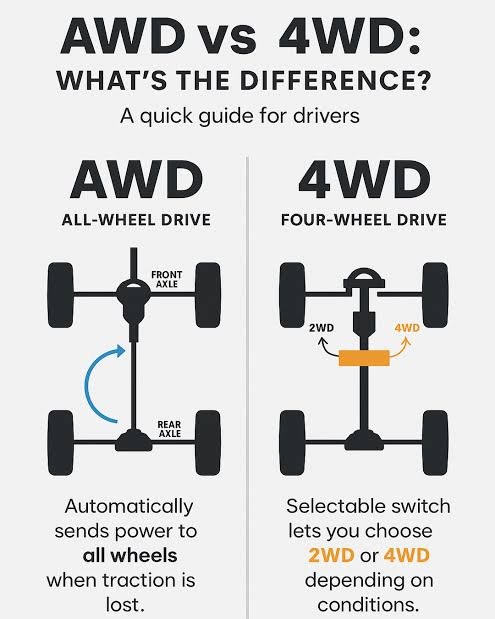
    • All-wheel drive choices that feel better during wet or icy Long Island days  
    • Features like heated seats, larger screens, and smartphone connection  

    Trade-in options and a rotating inventory help shoppers match their wish list with their budget. Instead of “you get what you get,” it becomes “let’s find what fits your life, your miles, and your payment comfort zone.”

    Myth: All Used Car Lots Are Hiding Something

    Plenty of people have had at least one strange or stressful car shopping trip. High-pressure talk, unclear prices, and surprise fees can make anyone feel nervous about the next visit. That is why real transparency matters so much.

    A transparent used car buying experience should include:

    • Clear, easy-to-read pricing with no last-minute changes  
    • Access to history reports like CARFAX or similar tools  
    • Open conversations about past accidents or repairs  
    • Simple explanations of taxes, fees, and paperwork  

    At 112 Certified, we focus on that type of open process. We invite shoppers to look over history reports, walk around and inspect the vehicle, and ask as many questions as they want. Our goal is for drivers to understand every number and detail before they decide to buy, so the only surprise is how simple the process can feel.

    Turn Fall Car Shopping Into a Smart Used Car Win

    As fall arrives on Long Island, many drivers start thinking about school schedules, darker commutes, and upcoming trips to see family and friends. It is a natural time to ask whether your current car can handle another season of traffic, weather, and mileage without added stress.

    The real story is simple: modern used cars can be dependable, a pre-owned option can be a better value than new, financing does not have to be confusing, and honest dealers work hard to keep the process straightforward. When you are ready to compare used cars in Long Island, NY with a clear head instead of old myths, our team at 112 Certified is here to help you look at real vehicles, real numbers, and real options that fit your life.

    Drive Home Confidently With a Car That Fits Your Life

    If you are ready for a reliable vehicle that matches your budget and daily needs, we are here to help you make a smart choice. Explore our carefully inspected inventory of used cars in Long Island, NY and find the right fit without the pressure. At 112 Certified, we focus on transparency, straightforward pricing, and support at every step. Start your search today and let our team guide you toward a car you can feel good about driving.

    Read More
    CATEGORIES »
    TAGS »

    08-30-26

    Financing Affordable Used Cars on Long Island With an ITIN

    Drive Home Sooner with Flexible ITIN Financing

    Buying a car with an ITIN can feel confusing, but it does not have to stop you from getting the transportation you need. If you live or work on Long Island, you probably depend on a car for school, work, and family life. A reliable used vehicle can make everyday driving less stressful and help you stay on schedule.

    At our Medford dealership, we focus on quality, affordable used cars that fit real budgets. With ITIN financing, people who do not have a Social Security Number can still apply for an auto loan. That means more options when you are getting ready for back-to-school drop-offs, fall commuting, and busy weekends.

    In this guide, we will walk through how ITINs work, what lenders usually look for, how to prepare your documents, and smart ways to pick the right car and payment for your situation.

    Understanding ITINs and Your Car Buying Power

    An ITIN, or Individual Taxpayer Identification Number, is a tax processing number from the IRS. People who do not qualify for a Social Security Number may use an ITIN to file federal taxes. This often includes non-citizens, new immigrants, and some self-employed taxpayers.

    Having an ITIN means you can still explore auto financing options. You do not need a Social Security Number to ask about a car loan. Many lenders can review an application that uses an ITIN instead.

    Here is how lenders usually see ITIN borrowers:

    • They focus on income and job stability  
    • They look for proof that you pay your bills on time  
    • They want clear, organized documents  
    • They do not approve or deny based only on immigration status  

    There are a few common myths that keep people from even trying:

    Myth: You cannot finance a car with an ITIN.

    Truth: Many lenders accept ITINs for auto loans.  

    Myth: It is not legal to buy a car with an ITIN.

    Truth: Buying and financing a car with an ITIN is legal when you follow normal rules.  

    Myth: ITIN loans are always out of reach.

    Truth: With steady income and good paperwork, approval can be more possible than many think.  

    Once you understand that an ITIN can open doors, the next step is knowing what lenders are really checking when you apply.

    What Lenders Look for When You Apply with an ITIN

    Lenders want to feel confident that you can make your monthly payment. With an ITIN, they usually pay close attention to a few key points.

    They often look for:

    • Steady income from a job or self-employment  
    • A debt-to-income level that leaves room for a car payment  
    • A car choice that fits your budget, not one that stretches it too far  

    To support your ITIN application, strong documents help a lot. Common paperwork includes:

    • Recent federal tax returns filed with your ITIN  
    • Recent pay stubs or income statements  
    • Bank statements showing deposits and balance history  
    • Proof of residence like a lease, utility bill, or official mail  
    • Valid identification, such as a passport or other government ID  

    Down payment size can also play a big role. A larger down payment can:

    • Lower your monthly payment  
    • Reduce the total amount you borrow  
    • Show the lender that you are serious and invested  

    If your traditional credit file is thin, other signs of good payment habits may help. Records of on-time rent, utilities, or phone bills can sometimes support your application and show that you handle monthly responsibilities well.

    Finding Affordable Used Cars That Fit Your Budget

    Getting approved is only half the goal. The other half is picking a car that feels good today and still makes sense for your wallet later. Shopping smart for affordable used cars starts with thinking about the total cost, not just the sticker on the windshield.

    Look for vehicles known for:

    • Strong reliability over many miles  
    • Good fuel efficiency for daily Long Island driving  
    • Reasonable insurance costs for your age and driving record  

    When planning your budget, include:

    • Taxes and registration fees  
    • Insurance payments  
    • Gas, tolls, and parking  
    • Regular maintenance like oil changes and brakes  

    Choosing from certified or carefully inspected inventory can help cut the risk of big surprise repairs. For many ITIN buyers who want to protect every dollar, this extra peace of mind matters a lot.

    Early fall can be a smart time to shop. People often change cars as new models arrive, which can lead to more options in the pre-owned market. It is also a good moment to think ahead about winter driving, school routines, and darker evenings when a dependable car really matters.

    How 112 Certified Makes ITIN Financing Smoother

    ITIN buyers deal with extra questions and paperwork, so a clear process can make a big difference. At our Medford location, we work with many drivers who use ITINs, and we stay focused on keeping things simple and respectful for every guest.

    Here is a common step-by-step path many shoppers follow:

    • Start with an online pre-qualification form to share basic info  
    • Gather income, ID, and residence documents at home  
    • Visit our store, meet with our team, and review loan options  
    • Test drive a few affordable used cars that match your budget  
    • Finalize paperwork, sign, and drive home in your new-to-you vehicle  

    We also work with lending partners that welcome ITIN borrowers. This helps us match you with options that line up with real-world budgets, not just perfect credit profiles. Helpful tools like online inventory search, payment estimates, and trade-in evaluations can also save time and reduce stress before you visit.

    Smart Steps to Get Approved Faster This Fall

    A little prep before you shop can speed up approval and give you more confidence at the dealership. Think of it as homework that pays off when you sit down with a lender.

    Use this simple checklist:

    • Make sure your ITIN is active and your tax filings are up to date  
    • Organize pay stubs, bank statements, and proof of address in one folder  
    • Review your monthly budget and decide on a comfortable payment range  
    • Save for a realistic down payment that fits your situation  

    It also helps to look at any current credit accounts or bills. Paying down small balances, catching up on late payments, and fixing obvious errors in your records can support your application.

    Timing can matter too. Planning your purchase in early fall, before winter bills and holiday travel costs show up, may leave more room in your budget. Getting pre-qualified before you fall in love with a specific car keeps your search focused on vehicles you can truly afford.

    Start Your ITIN Car Buying Journey with Confidence

    Using an ITIN for auto financing does not need to feel scary or confusing. With clear documents, a realistic budget, and the right support, many Long Island drivers find that affordable used cars are within reach. Reliable transportation can help you get to work, bring kids to school, and stay connected to the people and places that matter most.

    At 112 Certified, we are here to guide ITIN buyers through each step, from paperwork to a test drive. When you come in with your questions, documents, and a clear budget, our team can work to match you with a used car that fits your life this season and beyond, before the colder weather makes every commute even more important.

    Drive Home Value With Our Affordable Used Options Today

    If you are ready to upgrade your ride without stretching your budget, we are here to help you find the right fit. At 112 Certified, our carefully inspected inventory of affordable used cars gives you confidence in both quality and price. Explore your options, compare models, and let our team guide you through a simple, transparent buying process. Start planning your next purchase today so you can get on the road with a car that truly fits your needs.

    Read More
    CATEGORIES »
    TAGS »

    08-23-26

    Weekend Warriors’ Guide to Affordable Used Cars on Long Island

    Hit the Road This Weekend Without Breaking the Bank

    Weekend plans on Long Island are always better with your own set of keys. A quick beach run, a sunrise fishing trip, a hike out east, or a visit to a North Fork vineyard all feel easier when you can just grab your gear, hop in your car, and go. No waiting on rides, no train schedules, no asking friends for favors.

    That is where affordable used cars come in. A good pre-owned vehicle gives you the freedom to explore, without a big monthly payment hanging over your head. You get comfort, space, and flexibility, while still keeping money in your pocket for the fun part of your weekend.

    Here on Long Island, we see how much a solid used car can change someone’s off-days. At 112 Certified in Medford, we focus on pre-owned vehicles that fit active local drivers, so weekend warriors can hit the road with confidence and stay on budget.

    Why Weekend Warriors Love Affordable Used Cars

    When you love being out and about on your days off, your car is part of the plan. Buying used can make that plan a lot easier to afford. Instead of putting most of your money into a big car payment, you can keep more cash for gas, tolls, and the fun stuff once you get where you are going.

    Here is why affordable used cars work so well for weekend warriors:

    • Lower monthly payments leave room for gas, snacks, and parking  
    • You avoid the big drop in value that happens with many brand-new cars  
    • You can often get more features for the same budget  

    Many modern pre-owned cars come with features that make weekend driving smoother, like:

    • Bluetooth for music and hands-free calls  
    • Backup cameras that help with tight parking spots  
    • Fold-down seats and roomy trunks for coolers, chairs, strollers, and sports gear  
    • Comfortable seating for family or friends on longer drives  

    When you are not stressing about every dollar, it is easier to say yes to last-minute plans. A beach day because the weather looks perfect, a late-night dessert run, or a longer ride out to the Hamptons feels more relaxed when your car and budget both feel under control.

    Long Island Features That Shape the Right Ride

    Long Island has its own kind of driving. Anyone who spends time on the LIE, Sunrise Highway, or the parkways knows that your car has to handle different situations in one weekend.

    On a typical weekend, you might face:

    • Heavy traffic on major highways  
    • Faster speeds on the parkways  
    • Narrow village streets in places like Patchogue or Port Jefferson  
    • Tight parking lots near beaches, parks, and marinas  

    That is why choosing the right type of used car matters. Some good fits for local life are:

    • Compact sedans for easier parking and weaving through crowded areas  
    • Small and midsize SUVs for surfboards, beach umbrellas, camping gear, or team sports equipment  
    • Fuel-efficient models for people who like longer drives out east or frequent trips between towns  

    Late summer and early fall on Long Island are packed with plans. End-of-summer beach days, apple and pumpkin picking, farm stands, and wine tours can all mean more people and more stuff in your car. For these trips, weekend drivers often look for:

    • Good cargo space for bags, coolers, and farm boxes  
    • Comfortable seats for longer rides with friends or kids  
    • Strong AC and heat for changing weather  

    Choosing a used car with these local needs in mind helps every weekend feel smoother, from quick errands to full-day adventures.

    Smart Shopping Tips for Affordable Used Cars

    Being a weekend warrior does not mean you want to spend all week stressing about your car. A little smart planning up front can help you pick the right used vehicle for both your budget and your lifestyle.

    Start with a full budget, not just the car price. Think about:

    • Monthly payment you feel comfortable with  
    • Insurance costs for the type of car you want  
    • Regular maintenance like oil changes and tires  
    • Fuel and tolls for your usual driving  

    When you are ready for test drives, bring a simple checklist. Pay attention to:

    • Brakes: Do they feel firm and smooth, without shaking or squeaking?  
    • Steering: Does the car stay straight and respond quickly when you turn?  
    • Acceleration: Does it get up to highway speed without struggle?  
    • Air conditioning and heat: Do they work well for hot beach days and cooler nights?  
    • Tech: Does Bluetooth connect easily, and do the backup camera and radio work the way you like?  

    It is also smart to review the vehicle history report, mileage, and any service records. A clear history can help you feel more confident about weekend drives. At a reputable pre-owned dealership, this kind of information is usually ready for you, which saves time and guesswork.

    Financing Weekend-Friendly Rides on a Budget

    Financing a used car does not have to feel confusing. When you break it into simple parts, it is easier to see what fits your budget.

    There are a few key pieces:

    • Down payment, the amount you pay up front  
    • Loan term, how long you take to pay it off  
    • Interest rate, the cost of borrowing the money  

    A higher down payment can sometimes help lower your monthly cost. A longer term can also mean smaller payments, though you may pay more interest over time. The goal is to find a balance that fits your paycheck and your comfort level.

    People come in with all kinds of credit situations. Local dealerships are often ready to work with different credit backgrounds and can share options that bigger lenders may not talk about in detail. By getting pre-approved and looking at realistic payment estimates, weekend warriors can walk the lot knowing what they can truly afford.

    That way, when you start looking at affordable used cars, you can focus on vehicles that match both your needs and your budget, instead of falling for something that will stress you out later.

    How 112 Certified Helps Long Island Weekend Warriors Win

    At 112 Certified, we see how important it is for Long Island drivers to have cars that handle both weekday commutes and weekend fun. Our pre-owned inventory includes a mix of fuel-efficient commuters, family-friendly SUVs, and versatile cars that feel at home on both crowded local roads and open highways.

    We put care into offering vehicles that fit active lifestyles, like:

    • Smaller cars that are easy to park at busy beaches and village streets  
    • SUVs and crossovers that can handle kids, gear, and groceries in one trip  
    • Comfortable, reliable rides suited for mixed city and highway driving  

    Weekend warriors also need peace of mind. That is why dealership services like inspections and available warranties matter so much. Our team talks with drivers about how they plan to use their car, from beach days to road trips, so we can point them toward options that make sense for their plans.

    Because we are right here in Medford, we understand the roads you drive, the parking lots you squeeze into, and the seasonal shifts that come with living on Long Island. Our goal is to help you find an affordable used car that keeps up with your life, not the other way around.

    Drive Home Value With Reliable Transportation Today

    Discover how 112 Certified can help you get behind the wheel of a dependable vehicle that fits your budget and lifestyle. Browse our selection of affordable used cars and find options that have been carefully inspected for quality and safety. We take the time to understand your needs so we can match you with the right car and flexible financing. Start your search today and let us make your next purchase simple and stress-free.

    Read More
    CATEGORIES »
    TAGS »

    08-23-26

    Hidden Savings in Affordable Used Cars Around Long Island

    Stretch Your Budget Further with Smart Car Choices

    Buying a car around Long Island gets real expensive fast when summer starts to wind down. Kids are getting ready for school, work schedules pick up again, and everyone still wants a few more beach runs before the weather cools off. For many drivers, this is also the time when they realize their current car might not be ready for the months ahead.

    That is where affordable used cars can make a big difference. When you shop smart, a pre-owned vehicle can give you more comfort, safety, and features than a new car at the same price. You are not just saving at the dealer. You are opening the door to a lot of "hidden savings" that can help your budget all year long.

    With the right used car, you can get:

    • Higher trim levels with nicer interiors  
    • Features like heated seats, sunroofs, and upgraded sound systems  
    • Advanced safety tech and driver aids  
    • A payment that still fits your monthly budget  

    For drivers on Long Island, traffic, potholes, and changing weather all matter. Roads can be busy, wet, and sometimes icy, and parking can be tight. Choosing the right pre-owned car means thinking about more than looks. It means thinking about comfort in traffic, traction on wet roads, and how that car will handle the school run, the commute, and weekend plans.

    How Affordable Used Cars Beat New-Car Sticker Shock

    New cars can feel exciting when you first see them on the lot, but that excitement fades fast when you look at the sticker. Affordable used cars help you skip the steepest drop in value that new cars go through in their first few years. By the time a car is a few years old, that big fall in value has already happened. You get a nicer car for less money.

    Late-model pre-owned and certified vehicles often come with the same modern features people want in new cars, such as:

    • Backup cameras  
    • Bluetooth and smartphone connectivity  
    • Lane assist and blind spot alerts on many models  
    • Touchscreen displays and convenient controls  

    Because the vehicle price is lower than a new model, the loan amount is usually lower too. That can lead to:

    • Monthly payments that are easier to manage  
    • More room in your budget for fuel and tolls  
    • Less stress about insurance and maintenance  
    • Extra cash for school supplies, sports gear, or family activities  

    Drivers across Long Island have different needs. Some commute along major roads every day. Others need space for kids, pets, and cargo. Some are buying their first car. Affordable used cars can cover all of these situations without the shock that often comes with a brand-new vehicle.

    Hidden Costs You Avoid with the Right Pre-Owned Car

    The sticker price is only part of the story. Daily life with a car brings a lot of extra costs that add up over time. Choosing the right pre-owned car can help lower many of those costs.

    On the right used vehicle, drivers often see savings on:

    • Registration and title fees  
    • Taxes tied to the vehicle’s price  
    • Insurance premiums on certain models  

    Another form of hidden savings comes from knowing a vehicle’s track record. A car that has been on the road for a few years has a history. You can see how it has held up, what type of repairs it needed, and how it performs in real driving conditions. That can reduce the risk of surprise issues, especially if you have:

    • A clear inspection history  
    • Service records that show regular care  
    • Signs that major items, like brakes or tires, have been checked  

    Certified and carefully inspected vehicles are also less likely to need big repairs right after you buy. You are not as likely to find out in the first month that you need new tires or a major service. For Long Island drivers, that peace of mind is helpful when rainy days, cold weather, and busy school traffic arrive.

    Financing Strategies That Unlock Even More Savings

    Financing is where many buyers either protect their budget or stretch it too far. With affordable used cars, the total loan amount tends to be lower, which can help you land a reasonable payment without giving up the features you want.

    Before you start shopping, it helps to:

    • Check your credit so you know where you stand  
    • Think about your ideal monthly payment range  
    • Decide how much you can put down comfortably  

    Your down payment affects more than just the first day you buy. A larger down payment can:

    • Cut your total interest cost  
    • Shorten your loan term  
    • Lower your monthly payment  

    Trade-in value also plays a big role. The car you are driving now can become a helpful tool when you are trying to keep your next payment in line. Even if your current car is not perfect, its trade-in value can take a big chunk off the price of your next pre-owned vehicle.

    Timing can matter too. Toward the end of summer and around model year changes, many people start thinking about switching cars. This can help open up more used inventory as drivers trade in their current vehicles, giving you more choices in your price range.

    Maximize Value with Trade-Ins and Long-Term Care

    Hidden savings do not stop the day you drive home. How you handle your trade-in and how you care for your next car both affect your long-term costs and future options.

    When you are getting ready to trade in your current vehicle, a little effort can help:

    • Give the car a good cleaning inside and out  
    • Fix simple issues like burned-out bulbs if you can  
    • Gather service records and proof of regular maintenance  
    • Remove personal items so the car is ready to review  

    For many Long Island drivers, it also makes sense to think about timing. Trading your vehicle before harsh winter weather can help you move into something better suited for cold mornings, wet roads, and salt on the streets.

    Once you have your next affordable used car, small habits protect both your wallet and your vehicle:

    • Regular oil and filter changes  
    • Tire rotations and pressure checks  
    • Seasonal checks of brakes, fluids, and wiper blades  
    • Paying attention to new sounds or warning lights  

    These simple steps help your car last longer and keep its value stronger if you decide to trade or sell later on. In a coastal climate with salty air and changing temperatures, staying on top of basic care can make a big difference in how long your car stays comfortable, safe, and dependable.

    Drive Home More Value From Your Next Used Car

    Affordable used cars give Long Island drivers a way to sidestep heavy depreciation, manage monthly payments, and still get the comfort and safety features they want. By paying attention to hidden savings like lower insurance, smaller fees, and smarter financing, you turn a simple car purchase into a long-term win for your budget.

    When you plan ahead, set a clear budget, and think about the features you truly need for your commute and family life, it gets easier to spot the right vehicle. With a thoughtful trade-in strategy and regular care, that pre-owned car can serve you well through back-to-school traffic, weekend trips, and the colder months that follow.

    Drive Home Value With Reliable Pre-Owned Choices Today

    If you are ready to upgrade your ride without overspending, we are here to help you find the right fit. Browse our selection of affordable used cars and compare options that match your needs and budget. At 112 Certified, we inspect every vehicle carefully so you can buy with confidence. Connect with our team today and take the next step toward a smarter car purchase.

    Read More
    CATEGORIES »
    TAGS »

    08-16-26

    When Used Car Financing Helps Long Island Buyers Build Credit

    Turn a Necessary Purchase Into a Credit-Building Move

    Buying a car is not just about getting from point A to point B. For many Long Island drivers, it is also a chance to build stronger credit. When you finance a used car and handle the payments the right way, that loan can help shape your credit story for years.

    Late summer is a busy time for car shopping across the Island. Families are getting ready for back-to-school routines, people are planning fall road trips, and drivers are thinking ahead to winter roads. A reliable pre-owned car with a smart loan can solve more than one problem at once, giving you dependable transportation and a chance to grow your credit at the same time.

    An auto loan is often a first or second major credit account after a starter credit card. That makes it a powerful tool. When you choose a dependable used vehicle and a payment plan that fits your life, every on-time payment can help build a stronger profile for future goals like renting an apartment or qualifying for another loan.

    How Auto Loans Influence Your Credit Profile

    Credit scores might seem confusing, but they are mainly built from a few key pieces. When you understand those pieces, it becomes clearer how used car financing can help you.

    The main parts of a typical credit score are:

    • Payment history  
    • Amounts owed  
    • Length of credit history  
    • New credit  
    • Credit mix  

    Payment history is usually the biggest factor. Lenders want to see if you pay on time. A car loan gives you a steady monthly bill. Each on-time payment sends a positive signal that you are responsible with credit. For Long Island drivers who have thin credit files or are rebuilding after some past issues, that steady record can be very helpful over time.

    Amounts owed comes next. This looks at how much debt you have compared with your available credit. A car loan is an installment loan with a set balance that goes down as you pay. Handling it well shows you can manage a long-term commitment.

    Length of credit history, new credit, and credit mix all come into play too. Having a mix of accounts, such as a credit card and an auto loan, can look better than having only one type. Opening a car loan adds a new account to your file and can help your credit mix as the account ages.

    There is a flip side. Missed or late payments, default, or repossession can hurt your credit and stay on your reports for years. That is why picking a realistic payment is so important. The best loan for building credit is not the biggest one you can get, it is the one you can comfortably pay in full, every month, even when life gets busy.

    When Used Car Financing Makes Sense for Credit Building

    Used car financing can be a smart move for many different drivers. The key is matching your situation and goals with the right vehicle and loan.

    It can be a good credit-building step if you are:

    • A first-time buyer with little or no credit history  
    • A recent grad getting ready for a new commute  
    • New to Long Island and working on a U.S. credit file  
    • Recovering from past late payments, collections, or other issues  

    For many people in these situations, stretching for a brand-new car can lead to higher payments that are harder to manage. A reasonably priced, reliable pre-owned car can give you more breathing room in your budget. Lower monthly payments often make it easier to pay on time, which is exactly what helps your credit.

    The way your loan is set up matters too. When you think about term length, APR, and down payment, you are really choosing how your long-term budget will feel. Some drivers prefer a shorter term so they can pay the car off sooner and build equity faster. Others need a longer term to bring the monthly payment into a safer range. The goal is balance; you want a payment that feels steady and realistic, not stressful.

    If you can put money down, even a modest amount, it may help shrink the amount you need to finance. That can make your loan feel more manageable and keep your focus on making every single payment on time.

    Smart Loan Strategies With Used Car Financing on Long Island

    When you are thinking about financing a used car, a simple plan can help you make smarter choices from the start. You want the vehicle and the loan to both fit your real life on Long Island.

    Some helpful steps include:

    • Get a general idea of what you qualify for with pre-qualification  
    • Review your monthly budget before you shop in person  
    • Decide your ideal payment range, then your absolute max  
    • Skip extras you do not truly need so more of your money goes to the car and the loan  

    Budgeting for Long Island life means thinking beyond the summer. Winters bring higher heating costs, possible snow days, and sometimes more time in traffic. Your payment should still feel comfortable when fuel costs climb or when you need new tires or a routine repair.

    Working with a local team in the Medford area can help, because they understand the mix of city, highway, and neighborhood driving that many Island drivers face. Sharing your daily driving habits, commute, and family needs helps match you with a vehicle and a loan structure that support both reliability and long-term credit growth, not just a quick approval.

    Seasonal Tips for Buying and Financing in Late Summer

    Late August can be a practical time to shop for a pre-owned car. Families are getting ready for the school year, and many drivers are thinking ahead about what they want to be driving once the weather turns colder.

    Here are a few seasonal ideas to keep in mind:

    • If you expect school carpools or college trips, look at space and comfort first  
    • Consider used SUVs or all-weather vehicles if you often drive in snow or slush  
    • Think about features that help in cold weather, like good heaters and solid traction  

    When planning your loan, remember that your car costs do not stop at the payment. Winter often brings higher fuel use, possible snow-related repairs, and changes in insurance if you add coverage. Build your budget with those extra costs in mind so your payments stay on time even in the more expensive months.

    A simple prep checklist before you visit a dealership can make the whole process smoother:

    • Review your credit reports so you know what lenders will see  
    • Gather pay stubs, proof of income, and identification  
    • Decide your target monthly payment range in advance  
    • Research a few models that fit your commute and typical road conditions  

    Doing this groundwork puts you in a better position to choose both the right car and the right loan structure for your situation.

    Start Building Better Credit with Your Next Test Drive

    Used car financing is more than a way to get keys in your hand; it is a long-term financial step. Each month, your payment choices are quietly shaping your credit future. When you pick a reliable pre-owned vehicle and a realistic loan, every on-time payment can help move your credit in the right direction.

    At 112 Certified, we focus on certified and high-quality used vehicles and flexible financing options for drivers across Long Island. Our Medford team understands local driving needs and different credit backgrounds, and we work to match you with a car and payment plan that support both your daily life and your goals for better credit going forward.

    Drive Home With Confidence Using Flexible Financing Options

    If you are ready to upgrade your ride, we can help you navigate every step of the process with straightforward terms and clear rates. At 112 Certified, our team works with a variety of lenders to tailor used car financing options that fit your budget and credit situation. Start your application today so you can shop with confidence, knowing what you qualify for before you choose your next vehicle.

    Read More
    CATEGORIES »
    TAGS »

    08-16-26

    Long Island First-Time Buyer Used Car Loan Toolkit: Credit, Down Payment, Docs

    Jump-Start Your First Used Car Purchase This Fall

    Buying your first car is a big step, and getting used-car financing can feel confusing at first. When you add in back-to-school, new jobs, or planning fall trips around Long Island, it helps to have a clear plan before you start visiting dealerships.

    We want to make that first purchase feel simple and stress-free. At 112 Certified in Medford, we work with many first-time buyers who are sorting out credit, saving for a down payment, and trying to figure out what paperwork they actually need. With a little prep, you can walk in feeling ready instead of nervous.

    This toolkit will walk you through three big pieces of your financing plan: how your credit score affects your loan, how to choose a down payment that fits your budget, and which documents to bring so you can get approved as quickly as possible.

    How Credit Scores Shape Your Used Car Loan

    Your credit score is a number that shows how you have handled borrowed money in the past. Lenders look at this score to decide if they will approve your loan, what interest rate to offer, and how long your loan should last.

    Scores are usually grouped into ranges, such as:

    • Poor: may lead to higher rates and fewer options  
    • Fair: more choices, but rates may still be on the higher side  
    • Good: better odds of approval and more comfortable payments  
    • Excellent: strongest rates and the widest choice of terms  

    As a first-time buyer, you might not have a long credit history yet. That is okay. Lenders know everyone has to start somewhere. Your score simply helps them decide how much risk they are taking, which shows up in your interest rate and monthly payment.

    Here are simple steps Long Island drivers can take in the months before they apply for a used car loan:

    • Pay at least the minimum on every bill on time, every time  
    • Pay down small credit card balances if you can  
    • Avoid opening new credit cards just to get a quick discount  
    • Check your credit reports and dispute any clear errors  

    Even small changes, like paying off a small balance or cleaning up a mistake, can help your score before you start fall car shopping.

    Down Payment Targets That Actually Fit Your Budget

    Your down payment is the amount you pay upfront when you finance a used car. It lowers the amount you need to borrow, which can make your monthly payment easier to handle.

    Many buyers aim for around 10 to 20 percent of the car’s price as a general guideline. The right number for you can change based on:

    • The price of the vehicle  
    • Your credit score and overall credit profile  
    • The age and mileage of the car  
    • How much you want your monthly payment to be  

    Here are simple examples of savings targets:

    • If you are looking at a car around $12,000, a 10 percent down payment would be about $1,200, and 20 percent would be about $2,400  
    • On a car around $18,000, 10 percent would be about $1,800, and 20 percent would be about $3,600  
    • On a car around $25,000, 10 percent would be about $2,500, and 20 percent would be about $5,000  

    A bigger down payment usually means:

    • Lower monthly payments  
    • Less interest paid over the life of the loan  
    • A better chance of approval with some lenders  

    To build that fall down payment without putting too much pressure on your budget, you could:

    • Set aside a part of any summer overtime pay  
    • Use income from side jobs, like delivery or freelance work  
    • Save a portion of any tax refund or work bonus  
    • Move small, regular amounts into a separate savings account each week  

    Even small amounts add up when you give yourself a few months to prepare.

    Documents You Need to Get Approved Fast

    Having the right documents ready can turn a long, stressful day into a quick and easy visit. Most lenders and dealerships ask for the same basic things, so they can confirm who you are, that you have income, and where you live.

    Common documents include:

    • Proof of identity  
    • Proof of income  
    • Proof of residence  
    • Proof of insurance or the ability to get insurance  
    • References, if the lender asks for them  

    Here are some examples of what can work for each:

    • Proof of identity: valid driver’s license, state ID, or passport  
    • Proof of income: recent pay stubs, an offer letter, or bank statements for gig workers and self-employed drivers  
    • Proof of residence: a utility bill, lease agreement, mortgage statement, or official mail in your name  
    • Proof of insurance: an active auto policy, or details so your insurer can set up a new policy for your next car  

    Many of these can be digital, such as PDFs or clear photos on your phone, but it can still be helpful to have paper copies just in case. For shoppers planning a visit to 112 Certified, a simple day-of-visit checklist looks like this:

    • Driver’s license  
    • Last 2 or 3 pay stubs, or recent bank statements if you are self-employed  
    • A bill or lease showing your current address  
    • Insurance information, or your insurance agent’s contact details  
    • Contact information for a few personal references if a lender requests them  

    Showing up prepared helps avoid delays and multiple trips during a busy late-summer or early-fall week.

    Choosing the Right Used Car Loan on Long Island

    Once you know your credit and down payment, the next step is choosing where your loan will come from. Different lenders can work better for different buyers.

    Common loan sources include:

    • Dealership financing  
    • Banks  
    • Local credit unions  
    • Online lenders  

    Dealership financing can be convenient because everything happens in one place. Banks and credit unions may offer programs for customers who already have accounts with them. Online lenders can let you compare offers from home. As a first-time buyer, it can help to see more than one option so you can compare.

    When you review loan offers, do not only look at the monthly payment. Pay attention to:

    • APR (the interest rate plus certain fees)  
    • Loan length, such as 48, 60, or 72 months  
    • Total cost of the loan over time  
    • Any fees for paying the loan off early  

    A lower monthly payment can sometimes mean a much longer loan and more interest in the long run. At 112 Certified, our financing team spends time walking through these details so first-time buyers understand how each offer fits their budget and future plans.

    Put Your First Car Financing Plan Into Motion

    When you understand your credit score, set a realistic down payment target, and gather your documents, the whole process feels easier. You can focus on finding a used car that fits your life, rather than worrying about every step of the loan.

    We see how much more confident first-time buyers feel when they take these steps before visiting our Medford dealership. Checking your credit, building a simple savings plan, and putting your paperwork in one folder can give you more control and stronger choices for your first used car financing experience.

    Drive Home Your Next Car With Confidence Today

    If you are ready to upgrade your ride, we are here at 112 Certified to make the numbers work for your budget. Our team will walk you through every step of used car financing so you understand your options clearly. Start your application today and let us help you get behind the wheel of the vehicle that fits your lifestyle and payment comfort.

    Read More
    CATEGORIES »
    TAGS »

    08-09-26

    Why Reliable Used Cars in Medford NY Matter for Long Commutes

    Start Every Long Island Day with Confidence

    A long commute on Long Island is hard enough without worrying if your car will start in the morning. Early alarms, heavy traffic on Route 112, delays on Sunrise Highway or the Long Island Expressway, and the rush to get to work, school, or the train all add up. When your car hesitates, makes a new noise, or refuses to start, the whole day can fall apart fast.

    That is why reliable used cars matter so much for Medford drivers. A dependable vehicle turns that daily grind from stressful to steady. You can plan your day, show up on time, and feel calmer when you trust what you are driving.

    At 112 Certified, we focus on quality pre-owned vehicles that fit real Long Island life. Late summer often means back-to-school traffic, last-minute beach trips, and getting ready for changing weather. Having a solid used car under you makes all of that easier and safer.

    Why Commute Reliability Matters More on Long Island

    Driving on Long Island is not the same as driving in a quiet small town. Our local roads can be tough on any car, and even tougher on one that is already worn out.

    Daily commuting around Medford often means:

    • Stop-and-go traffic on Route 112  
    • Long stretches on Sunrise Highway or the Long Island Expressway  
    • Sudden slowdowns for construction zones or accidents  
    • Frequent short trips mixed with longer highway runs  

    All of this puts extra strain on brakes, transmissions, engines, and cooling systems. When you rely on your car to get from Medford to other parts of Suffolk or Nassau County, an unreliable vehicle is more than just annoying. It can affect your income, your schedule, and your family.

    Think about what happens when your car breaks down on a workday. You might:

    • Miss a shift or lose hours  
    • Arrive late to an important meeting  
    • Struggle to pick up kids from school or activities  
    • Scramble to arrange rides at the last minute  

    On top of that, driving a car you do not trust is stressful. You tense up every time you hear a rattle or feel a slip in the transmission. You worry about merging onto a crowded highway or driving home in heavy rain. A reliable used car gives back some peace of mind, which is just as important as getting from point A to point B.

    Key Features That Make a Used Car Truly Reliable

    Not every used car is equal, even if it looks clean and shiny. For long commutes, certain parts and features matter more than others.

    Mechanically, pay close attention to:

    • Engine health, no knocking, misfires, or major leaks  
    • Transmission condition, smooth shifting without slipping or jerking  
    • Brakes, firm pedal feel and no squealing or grinding  
    • Tires, good tread depth and even wear  
    • Suspension, no clunking over bumps and a stable ride at highway speeds  
    • Electrical systems, strong battery, working lights, and reliable starting  

    If you drive 50 to 100 miles a day, you need the car to perform the same way every single morning. Small problems can grow quickly with that kind of mileage.

    History and maintenance records matter too. A clean vehicle history report, regular oil changes, and documented brake or fluid service can tell you a lot. Often, a car with good records is a safer bet than a similar car with lower miles but no proof of proper care.

    Comfort also plays a big role in reliability for a daily driver. A car that never breaks down but leaves you sore and tired is not really serving you well. For Long Island commutes, look for:

    • Supportive seats that feel good on longer drives  
    • Strong A/C for humid summers  
    • Good heat and defrost for cold, wet mornings  
    • Helpful tech, like Bluetooth for hands-free calls and backup cameras for tight parking  
    • Available driver-assistance features, where equipped, that can make highway driving less tiring  

    All of these details add up to a car you can count on, day after day.

    How Reliable Used Cars Save You Money Over Time

    A good used car is not just about getting you to work. It can also help protect your budget over the long run.

    A well-inspected used vehicle often costs less to own than a new one when you consider:

    • Purchase price  
    • Taxes and registration  
    • Insurance costs  

    When you start out with a solid, dependable vehicle from a trusted Medford dealership, you are less likely to face surprise repairs right away. Reliability and regular maintenance work together to help you avoid:

    • Emergency tow trucks sitting on the side of the Long Island Expressway  
    • Last-minute rental cars while your vehicle sits in the shop  
    • Missed workdays or late penalties  

    Fuel economy matters too, especially when you drive many miles a week. Many modern used cars offer good gas mileage, which can make a big difference for regular trips from Medford to other towns. When you choose a car that has been cared for, you also give yourself a better chance of driving it comfortably past 100,000 miles and beyond.

    Choosing the Right Reliable Used Car for Your Commute

    The right car depends on your daily route, your family needs, and where you park.

    Think about how you use your vehicle:

    • Do you park near the train and need a compact car that fits tight spots?  
    • Do you juggle school drop-offs, sports, and weekend errands and need a midsize SUV?  
    • Do you travel long distances on highways and want the best possible fuel economy?  

    When you visit a dealership in Medford, do not be shy about asking detailed questions, such as:

    • What kind of inspection do you perform before putting a car on the lot?  
    • What does your reconditioning process include?  
    • Is there any type of limited warranty or protection plan?  
    • Can I see the vehicle history report and service records?  

    A test drive is more than a quick spin around the block. Try to drive in a way that mirrors your real commute. Pay attention to:

    • How the car accelerates onto busy highways  
    • How stable it feels at higher speeds  
    • How it handles bumps, potholes, and rough patches  
    • How you feel in the seat after a longer loop  

    If you finish the drive feeling relaxed and confident, that is a good sign.

    Financing Reliable Used Cars Without Breaking Your Budget

    For many commuters, financing is what makes a reliable car reachable. The right monthly payment can leave room for tolls, fuel, parking, daycare, and all the other parts of Long Island life.

    Local dealers in Medford often work with different lenders so they can help people in many situations, including:

    • First-time buyers  
    • Drivers rebuilding credit  
    • Shoppers with a smaller down payment  

    When you look at financing, think beyond just the monthly number. Consider:

    • Loan length and how long you plan to keep the car  
    • Interest rate and how it affects total cost  
    • Insurance costs for the type of vehicle you choose  
    • Expected maintenance, like oil changes, filters, and tires  

    Your goal is a payment you can live with plus a car you can depend on, year after year. A reliable used car that fits your budget can keep you moving between Medford, work, school, and home without constant stress over breakdowns or bills.

    By focusing on reliability, comfort, and smart financing, Long Island commuters can turn daily driving into something steady and predictable instead of a constant worry.

    Find Your Next Dependable Ride With Confidence

    When you are ready for your next vehicle, we are here to help you choose from a carefully inspected selection of reliable used cars. At 112 Certified, our team focuses on transparent history reports and straightforward pricing so you know exactly what you are getting. We invite you to stop by, ask questions, and compare options until you find the car that fits your life. Let us make your car-buying experience simple, stress-free, and genuinely rewarding.

    Read More
    CATEGORIES »
    TAGS »

    08-09-26

    Budget Myths About Used Cars Under $10,000 That Long Island Drivers Believe

    Smart Savings for Long Island Drivers on a Budget

    Buying a car on Long Island can feel stressful. Between high rent, tolls, and everyday bills, many drivers think they have to spend big money just to get something reliable. That is why a lot of people write off used cars under $10,000 before they even start shopping.

    We see it differently. With the right information and a little patience, a budget-friendly used car can be a smart, safe, and dependable choice. You just need to know what to look for and what myths to ignore. As a pre-owned dealership in Medford, NY, we talk every day with drivers who are worried about reliability, safety, financing, and long-term costs. Let us walk through the most common myths we hear and what is actually true.

    Myth 1: Used Cars Under $10,000 Are Always Unreliable

    A lot of people think price and reliability are the same thing. They are not. A car is not unreliable just because it costs under $10,000. What matters more is how that car was taken care of over time.

    Here are the real things to pay attention to when you shop:

    • Maintenance history and service records  
    • Number of previous owners  
    • How and where the car was driven  
    • Signs of accidents or major repairs  
    • The quality of the inspection before sale  

    At a reputable pre-owned dealership, every vehicle should go through a careful inspection so problem cars are filtered out before they ever hit the lot. You should also see a vehicle history report, so you can check for things like prior accidents, title issues, or inconsistent mileage. Then, a test drive lets you feel for odd noises, rough shifting, or warning lights.

    Many Long Island drivers also worry about mileage and age. Higher miles do not always mean the car is near the end of its life. Some makes and models are known to keep going well past 100,000 miles when they have had regular oil changes, fluid checks, and timely repairs. A slightly older car with strong records can be a better bet than a newer car that was not maintained.

    Myth 2: A Low Budget Means You Must Sacrifice Safety

    Another common myth is that only newer, expensive cars can be safe. The truth is, a lot of features people think of as "high-end" have been on many everyday cars for years, and they often show up in used cars under $10,000.

    You can often find budget-friendly cars with:

    • Anti-lock brakes (ABS)  
    • Stability and traction control  
    • Front and side airbags  
    • Backup cameras on some models  
    • Head restraints and crumple-zone designs  

    Even if a car does not have every new tech feature, it can still be a solid, safe choice for daily driving on the LIE or local Suffolk County roads. New York also requires state inspections that look at brakes, tires, lights, and other safety items, so a car has to meet basic standards to be on the road.

    On top of that, dealership inspections help catch worn brake pads, weak tires, or suspension issues that could affect safety. When you look at a budget used car, do not just ask, "How old is it?" Ask, "What condition is it in, and what safety features does it have?"

    Myth 3: You Cannot Finance Used Cars Under $10,000

    Many drivers think financing is only for newer or higher-priced vehicles. That can scare people away from even considering used cars under $10,000, especially first-time buyers or anyone working on their credit.

    In reality, a lot of lenders are open to financing lower-priced cars, especially when a dealership already has relationships with banks and other financial partners. At a place like 112 Certified, we work with everyday drivers, not just those with perfect credit, and we help match budgets to realistic vehicles.

    If you are planning to finance a used car, these steps can help:

    • Save what you can for a down payment  
    • Check your credit report for errors or surprises  
    • Gather recent pay stubs or proof of income  
    • Make a simple monthly budget so you know your comfort zone  

    These small moves can make financing smoother, especially around busy times like late summer or back-to-school season, when many families on Long Island are looking for a second car for commuting, work, or college.

    Myth 4: A Cheap Used Car Will Cost You More in Repairs

    There is a big difference between a "cheap" car and a "well-priced" car. A cheap car is one that looks like a deal on the surface but has hidden issues that turn into headaches later. A well-priced car is one that is fairly priced for its age, mileage, and condition.

    Key signs of a well-priced used vehicle include:

    • Clear maintenance records that show regular service  
    • A clean title and consistent mileage history  
    • A professional inspection before it goes on sale  
    • Reconditioning work already done, like fresh fluids or new brakes  

    When a dealership puts time into servicing and reconditioning a pre-owned car, that can actually save you money over time. Instead of paying for the rapid depreciation of a brand-new vehicle, you are paying for a car that has already gone through its biggest drop in value, while still having plenty of useful years left.

    It also helps to plan for routine maintenance. For example, many Long Island drivers like to:

    • Check brakes and tires before wet fall and winter roads  
    • Make sure coolant and fluids are ready for temperature swings  
    • Replace wiper blades and check lights for darker evenings  

    Staying on top of simple seasonal checks can prevent small issues from turning into large repair bills.

    Myth 5: There Are No Good Choices Left Under $10,000

    Some people believe all the "good" used cars under $10,000 get grabbed right away or never make it to lots in areas like Medford, Patchogue, or nearby towns. It can feel that way if you only look at one brand, one model, or one set of features.

    The key is staying flexible. If you are open on a few points, your options grow fast:

    • Consider different brands instead of just one favorite  
    • Look at a range of model years, not only the newest you can afford  
    • Decide which features are must-haves versus nice extras  
    • Be open to body styles that fit your needs, like sedans, hatchbacks, or small SUVs  

    At 112 Certified, our team refreshes inventory often, takes trade-ins, and focuses on value-friendly vehicles that make sense for real budgets. That means there are usually "hidden gems" that a lot of people might skip over at first glance, even though they are a strong fit for commuting, school runs, or weekend trips across Long Island.

    Your Next Move Toward a Smarter Car Purchase

    Used cars under $10,000 do not have to be scary. When you cut through the myths, you see that a well-chosen budget car can be reliable, safe, financeable, and reasonable to maintain. The real difference comes from condition, history, inspection, and how well the vehicle matches your needs.

    We always suggest that drivers start with a simple plan. Set a realistic budget, decide what you truly need in a car, and write down the questions you want to ask. With that in hand, you can talk with a transparent dealership team like ours at 112 Certified in Medford, NY, and feel more confident as you explore inventory, take test drives, or look at trade-in and financing options.

    Drive Home Value With Our Budget-Friendly Options

    If you are ready to upgrade your ride without overspending, we are here to help you find the right fit. Explore our wide selection of used cars under $10,000 carefully inspected to give you confidence on the road. At 112 Certified, our team will walk you through your options so you can choose a vehicle that matches your needs and your budget. Stop by or reach out today to get started on your next car.

    Read More
    CATEGORIES »
    TAGS »

    08-02-26

    Why Finding Affordable Used Cars in Smithtown NY Is Challenging

    A growing number of drivers in Smithtown are looking for reliable transportation without the high cost of a brand-new vehicle. Used cars seem like a smart solution, especially for families or people with long daily commutes. But as many soon find out, it is not always easy to track down something affordable and in solid condition.

    The search can feel frustrating. You might see a good listing online, only to find it is already been sold by the time you call. Other times, the price tag keeps shifting or the car is not in the shape it claimed to be. For those trying to stick to a budget, finding truly affordable used cars in Smithtown is harder than it looks.

    The Local Demand Often Outpaces Supply

    On Long Island, we are seeing more people lean toward used vehicles instead of stretching for something brand new. With prices on the rise in just about every area of life, people want to cut costs where they can. That extra demand means the pool of quality used cars shrinks fast.

    • The more buyers we have, the more sellers can raise prices, even on older or high-mileage vehicles.
    • Good deals get taken quickly, often within days, sometimes within hours.
    • Listings might sit for a while but often are not the ones most people feel confident buying.

    All this puts pressure on shoppers. If we wait too long to decide, the car might be gone. If we rush, we risk buying something we have not had a chance to fully check out.

    At 112 Certified, we see this firsthand. Our inventory of pre-owned vehicles across makes and models changes daily as demand remains high. We keep detailed online listings and make the latest arrivals available right away, helping you act fast when something fits your needs.

    Weather and Seasonal Timing Matter

    Fall in New York comes with shorter days and colder nights. Around October, a lot of drivers start preparing for winter. Whether it is a college student heading back to campus or a working parent prepping for snow-covered roads, people want something that can handle the months ahead.

    • That seasonal urgency leads to more people searching at once, especially in towns like Smithtown.
    • Dependable cars with working heat, strong batteries, and good tires become harder to find.
    • Sellers know this, and prices typically edge up to match the higher demand.

    The window to shop around shrinks fast. If we wait too long into the fall, we are competing with buyers who are just as motivated to lock something down before the weather turns truly cold.

    Not All Listings Are What They Seem

    One of the setbacks people run into is that a low price does not always tell the whole story. It is one thing to find a deal on paper, but it is another to discover what is really going on with the car once we look closer.

    • Some cars advertised as affordable need repairs that cancel out the savings.
    • Vehicle history might be limited, making it hard to know where the car has been or what it has been through.
    • Without a thorough inspection, we risk buying a car that starts having issues right away.

    Affordable used cars should be more than just cheap. They should be dependable enough to get us through the coming months without causing stress or repairs we did not budget for.

    112 Certified helps take some of the guesswork out. Every used car we sell is clearly listed with the year, mileage, features, and photos, and many include background details and a free Carfax history report, so you’re never left wondering about the vehicle’s past.

    Limited Options That Meet Both Quality and Price

    In many cases, we find ourselves having to choose between two things we really want, low price or good condition. It is rare to find both in a single package without digging a bit deeper.

    • Basic models with no extras might come cheap, but they may not have been taken care of.
    • Cars with lower mileage and better features tend to cost more and sell faster.
    • Shopping only in Smithtown can limit what is available in the price range we need.

    Because of this, a lot of people end up expanding their search beyond Smithtown to nearby areas. Looking in places like Medford or farther across Long Island opens access to more inventory, which may lead to better results without straining the budget.

    We keep a wide selection in Medford, NY, and update options frequently to make sure there’s always something for shoppers with different goals and price ranges.

    Driving Toward a Smarter Choice

    Finding the right car is not as simple as checking off a few boxes. In Smithtown, the challenge often comes down to timing, transparency, and knowing what signs to watch for. When demand stays high and choices are slim, it is easy to get discouraged or feel rushed into making a deal.

    Still, there are ways to make the process easier. Acting early in the season and being flexible about where we search can open up better chances. While it might take a little more patience than expected, affordable used cars are still out there for buyers who stay focused and move quickly when they find the right fit.

    At 112 Certified, we know how important it is to feel confident about your next vehicle, especially when budget matters. Finding something that hits the right mix of dependability and price takes time, but we are here to help make it manageable. Whether you are looking nearby or expanding your search beyond Smithtown, we keep our inventory fresh for shoppers seeking real value. Take a look at our current selection of affordable used cars to see what might be a match. Have questions or want to learn more? Give us a call today.

    Read More
    CATEGORIES »
    TAGS »

    08-02-26

    Long Island Used Car Financing: BHPH vs. Credit Unions vs. Online Lenders

    Drive Home for Less This Summer on Long Island

    Reliable wheels matter when your life stretches from Port Jefferson to Medford, from the beach to work, and back home again. More drives to see family, more runs to the train, more trips across Long Island can make a dependable car feel less like a luxury and more like a must-have. For many people, that means skipping brand-new cars and focusing on affordable used cars instead.

    New car prices and higher interest rates are pushing a lot of local drivers to get creative with financing. That is where options like Buy Here Pay Here, credit unions, and online lenders come in. Each one can help you get into a car, but they work very differently and fit different types of buyers.

    We want to walk through these choices in plain language so you can see which one really fits your budget, your credit, and your lifestyle. At 112 Certified, we care about helping Long Island shoppers understand the money side before they choose a car, so they feel calm and confident when they sign.

    How Buy Here Pay Here Lots Really Work

    Buy Here Pay Here (often called BHPH) means the dealership sells you the car and also finances it. Instead of going through a bank, you make payments straight to the dealer, often once a week or every other week. Approval usually depends more on your income and job history than on your credit score.

    Some common pros of Buy Here Pay Here include:

    • Easier approval if you have low credit or no credit  
    • One-stop shopping, since the car and the loan are in the same place  
    • Quick decisions, which can help if you need a vehicle fast for work or school  
    • Simple paperwork compared with traditional banks  

    There are also real downsides you need to keep in mind:

    • Interest rates are often higher than other options  
    • Selection can be smaller, with fewer models and trims  
    • You may be asked for a larger down payment  
    • Less clarity around the total cost of the loan from start to finish  
    • Missed payments can lead to fast repossession of the car  

    Buy Here Pay Here can fit drivers who:

    • Have very low or no credit history  
    • Have steady income but have been turned down by banks or credit unions  
    • Need a car quickly to keep a job, start a new shift, or handle family duties  

    If you are thinking about Buy Here Pay Here, it helps to ask questions like:

    • What is the exact interest rate and length of the loan?  
    • How much will I pay in total by the end of the loan?  
    • What happens if I am a few days late on a payment?  
    • Are there any fees for paying off the loan early?  

    When those answers are clear and in writing, it is easier to judge if the deal really works for you.

    Credit Union Financing for Affordable Used Cars

    Credit unions are member-owned financial institutions, not big banks. They are often focused on serving local communities, which can make them feel a bit more personal. For auto loans on affordable used cars, credit unions can be a strong choice if your credit is not perfect but not terrible either.

    Here are some pros of using a credit union:

    • Competitive interest rates compared with many other lenders  
    • Friendly underwriting that looks at your full picture, not just a number  
    • Possible perks for automatic payments from your account  
    • Guidance from staff who take time to explain terms and options  

    There are cons as well:

    • You usually need to qualify for membership, such as living in a certain area or working for certain employers  
    • Approval can take longer than doing financing right at the dealership  
    • They may limit the age or mileage of the used car, which can rule out some older bargains  

    Credit union financing can fit buyers who:

    • Have fair to good credit and steady income  
    • Are planning ahead instead of needing a car the same day  
    • Want to compare financing while shopping at local dealerships  
    • Care about long-term cost and want a lender they can build a relationship with  

    Many smart shoppers get pre-approved by a credit union before they start test driving. That way, they know their likely rate and payment range, and they can focus on finding the right car to match.

    Online Lenders and Fintech Auto Loans Explained

    Online lenders and fintech platforms let you apply for an auto loan from your couch or from your phone in the parking lot. You enter some basic information, the lender checks your credit, and you often see possible offers quickly. Then you can walk into a dealership already knowing how much you can spend and what your payment might look like.

    Pros of online and fintech auto loans include:

    • Fast decisions and pre-approvals, often within minutes  
    • Easy comparison of multiple offers in one place  
    • Competitive rates for shoppers with good or excellent credit  
    • Clear online calculators that show how price changes your payment  

    There are cons that matter too:

    • Rates can jump higher if your credit is on the lower side  
    • Service can feel less personal if you prefer talking face to face  
    • Some offers start as “soft” pre-approvals that can change after a full credit check  
    • There may be fees in the fine print that are easy to miss on a screen  

    Online lenders often fit shoppers who:

    • Are comfortable using apps for banking and money decisions  
    • Have good to excellent credit and want to shop for the best rate  
    • Like to plan from home before visiting a Long Island dealership for a test drive  

    If you go this route, it pays to read every line of the offer, not just the monthly payment.

    Matching Your Credit, Budget, and Lifestyle to a Lender

    All three options can help you finance affordable used cars, but they are not one-size-fits-all. The best choice depends on your credit, your timing, and what matters most to you.

    A simple way to think about it:

    • Buy Here Pay Here: best for access when credit is poor and you need a car urgently  
    • Credit Union: best for relationship-based lending with solid rates and fair to good credit  
    • Online Lender: best for speed and comparison shopping when your credit is strong  

    Key things to consider as you decide:

    • Current credit score or credit history  
    • How much you can put down up front  
    • How quickly you need to be in a car  
    • How stable your income is month to month  
    • Whether you care more about the lowest monthly payment or the lowest total cost over time  

    On Long Island, needs often change with the season. Late summer can bring back-to-school drives, new job commutes, and interest in pre-owned models before the weather turns colder. That makes it a smart time to review your financing options side by side so your lender choice fits your real life, not just the car you like on the lot.

    Start Your Test Drive and Financing Plan with Confidence

    Before you fall in love with a specific vehicle, it helps to get your numbers in order. Check your credit, think honestly about what monthly payment feels safe, and explore at least one pre-approval. When you know your range, it is easier to avoid pressure and focus on what truly fits.

    At 112 Certified in the Port Jefferson and Medford area, we walk shoppers through choices like Buy Here Pay Here style programs, outside lenders, and credit unions so they can compare in plain language. We match financing options with our selection of affordable used cars to help each driver find something that fits both their lifestyle and their budget.

    Drive Home Confidence With a Budget-Friendly Car Today

    Find the right balance of price, reliability, and peace of mind with 112 Certified. Browse our selection of affordable used cars and choose a vehicle that fits your lifestyle and your budget. We carefully inspect each car so you can feel secure about your next move. Start exploring today and let us help you get on the road with confidence.

    Read More
    CATEGORIES »
    TAGS »

    07-26-26

    Used Car Warranty Red Flags on Long Island: Add-Ons and Claim Denials

    Stop Warranty Regrets Before You Sign Anything

    A used car warranty can save you from a huge repair bill, or it can turn into a headache of denied claims and surprise costs. On Long Island, where many drivers spend a lot of time on the LIE, head out east to the Hamptons, or sit in daily traffic, that protection really matters. The trick is knowing which coverage actually helps and which parts of the contract can work against you.  

    A used car warranty is a service contract that helps pay for certain repairs after you buy a pre-owned vehicle. It can be the remaining factory warranty, a certified pre-owned warranty, a third-party service contract, or a warranty backed by the dealership. For drivers shopping used, it can be the difference between a repair being covered or coming straight out of your pocket. In this guide, we break down add-ons to avoid, transfer rules that affect resale value, and the most common reasons warranty companies say no to claims, so you can protect your budget instead of risking it.  

    Warranty Add-Ons That Drain Your Wallet

    Once you agree on a car and a payment, the finance office often becomes a wall of extras. Some are helpful, but some mostly inflate your contract. Common add-ons pushed with used car warranties include:

    • Paint or fabric protection  
    • Tire and rim bundles  
    • Key or fob replacement packages  
    • Vague “etch” or theft protection plans  

    These are usually sold as must-have protection, but many drivers never use them or could handle those costs on their own. What tends to matter more is real mechanical breakdown coverage, solid roadside assistance, and rental car coverage while your vehicle is in the shop. Those items actually help when you are dealing with a disabled car, not just small cosmetic issues.  

    Red flags in used car warranty add-ons include:

    • Coverage terms that are vague or hard to understand  
    • Bundled products you cannot remove from the contract  
    • Pressure to “buy this today only”  
    • Extra “processing” or “administrative” fees with no clear reason  

    When buyers are excited about a new-to-them ride before a beach trip or vacation, it is very easy to nod along and say yes to everything. Slowing down and reading each line of the add-on menu is one of the smartest moves you can make. A clear, itemized warranty offer lets you say yes to the coverage that fits your driving habits and no to extras that do not.  

    Fine Print Traps in Used Car Warranty Contracts

    The main warranty contract is where the real rules live. Before you sign, get familiar with the key parts:

    • Coverage term and mileage limits  
    • List of covered components  
    • Exclusions section  
    • Deductible amount  
    • Claim steps and rules  

    Many drivers only look at the term and the price, then find out later that “wear and tear” exclusions take out half the repairs they thought were included. Some contracts also have maximum payout limits, sometimes tied to the car’s book value, which can cap how much the company will spend over the life of the warranty. If the car is older or has higher mileage, that limit can come up fast.  

    Another common trap is strict maintenance rules. Some contracts say you must follow certain service intervals and keep every receipt. If you miss an oil change window or you cannot show proof, a big claim could be denied. Waiting periods, inspection requirements, and “pre-existing condition” clauses can also block early repairs right after you buy the vehicle.  

    Some used car warranties only allow repairs at specific shops or require written authorization before work begins. If you fix your car at a shop that is not approved, or you start repairs before getting the green light, you might be left paying out of pocket. A few smart questions can help you avoid problems:

    • Where can I get repairs done on Long Island?  
    • What labor rate does the warranty actually cover at local shops?  
    • What proof of maintenance and repairs will I need for a claim?  
    • Do I need prior authorization before any major work?  

    Transfer Rules That Can Make or Break Resale Value

    A “transferable” used car warranty sounds great when you plan to sell or trade your vehicle later. It means the remaining coverage can move to the next owner, which can make your car more appealing in the Long Island used market. Buyers often like knowing they are not on their own for big repair bills.  

    But the transfer rules matter a lot. Common limits include:

    • Transfer fees that must be paid to move the warranty  
    • Short time windows after the sale to complete the transfer  
    • Limits on how many times a warranty can change owners  
    • Requirements for written approval or extra paperwork  

    Some contracts advertise transferable coverage in big letters, then hide strict rules in the fine print that make using that benefit very hard. If you miss the transfer window or skip a form, the new owner may not get any coverage at all.  

    Good transfer options can help your trade-in value at a local dealership or make a private sale easier, especially when people are gearing up for back-to-school driving and heavier fall commutes. When you compare warranty offers, look beyond the upfront price. Think about how easy that coverage will be to keep, use, and eventually pass on when you are ready for your next vehicle.  

    Why Warranty Claims Get Denied on Long Island

    Many warranty headaches show up when a driver finally files a claim. The most common reasons for denial include:

    • Missed or skipped maintenance  
    • Repairs done at non-approved shops  
    • Vehicle modifications that affect covered parts  
    • Problems labeled “pre-existing” or “abuse”  

    Long Island driving adds some extra twists. Salt air, potholes, heat, and heavy traffic can speed up rust, suspension wear, and other issues that some contracts treat as normal wear. Warranty companies often draw a hard line between a sudden breakdown and gradual wear. Things like slipping transmissions, engine oil consumption, or worn suspension parts may be called “wear and tear,” not a covered failure.  

    Simple paperwork mistakes also lead to denials. Missing service records, lost receipts, or starting a major repair before getting written authorization can all give the warranty company a reason to say no. It helps to:

    • Keep a folder or digital file of every oil change and service  
    • Ask the repair shop to document the cause of failure clearly  
    • Call the warranty company before major work begins  
    • Follow their steps exactly for inspections or photos  

    Understanding these boundaries before you sign makes it easier to choose a plan that fits how and where you drive, and to avoid surprises when something breaks.  

    Smart Warranty Moves with 112 Certified

    Used car warranties do not have to be confusing or stressful. When you slow down and ask questions, you can spot overpriced add-ons, read the fine print with confidence, and understand what happens when it is time to sell or file a claim. On Long Island, where daily driving can be tough on vehicles, the right coverage can turn a pre-owned car into a long-term, low-stress choice instead of a gamble.  

    Before you sign any used car warranty, use a simple checklist:

    • Confirm exactly which systems and parts are covered  
    • Learn where you can get repairs done locally and what labor rate is paid  
    • Understand maintenance rules and how to keep solid proof of service  
    • Review transfer fees, time limits, and any caps on payout  
    • Ask how claims are handled, from breakdown to payment  

    At 112 Certified in Medford, we focus on clear, straightforward warranty options for pre-owned vehicles, along with financing and trade-in support tailored to local drivers. Our goal is to help you choose only the coverage that matches your driving habits and budget, so your used car delivers real peace of mind on the LIE, Sunrise Highway, or wherever the road takes you.

    Protect Your Next Vehicle With Coverage You Can Trust

    Finding the right pre-owned vehicle is easier when you know it comes with strong protection behind it. At 112 Certified, we help you choose the right car and the right used car warranty so you can drive with confidence long after you leave the lot. Explore our current inventory, talk with our team about your options, and let us tailor coverage to fit your budget and driving needs.

    Read More
    CATEGORIES »
    TAGS »

    07-26-26

    Long Island Total Cost of Ownership: Used vs. New (Insurance, Taxes, More)

    What Long Island Drivers Really Pay Over Time

    A car that looks like a bargain on the lot can turn into a headache once you feel the insurance, taxes, and repair bills. On Long Island, where traffic is heavy and costs are higher than in many other parts of New York, the sticker price is only the start of the story. What really matters is what you pay over the years you own the car.

    That full picture is called total cost of ownership, or TCO. It includes purchase price, sales tax, registration, inspection, insurance, depreciation, fuel, maintenance, repairs, and fees. When you compare used and new cars with all of that in mind, the best choice is not always obvious at first glance.

    Right now is a smart time for many local drivers to think about this. People are planning road trips, teens are getting ready for school, and a lot of families start thinking about their next vehicle. So when do affordable used cars truly save you money, and when does a brand new ride quietly win over three to seven years?

    How Taxes, Fees, and Registration Add Up on Long Island

    New York has a few standard costs that hit you right away when you buy a car. Some are one-time, some repeat every year or two. They affect both new and used vehicles, but the size of the bill often changes with the price of the car.

    Big items to keep in mind include:  

    • Sales tax on the purchase price  
    • Registration fees based in part on weight and class  
    • Title fees when ownership changes  
    • State inspection fees every year  

    Because sales tax is tied to how much you pay for the car, a lower-cost used vehicle usually brings a smaller tax bill. The same goes for certain fees that are linked to the transaction price. If you are watching every dollar in the first year, this matters a lot.

    On Long Island, typical sale prices can be higher than in some upstate areas, so those taxes and fees grow right along with them. Buying pre-owned at a local dealership can help, because you can see a clear estimate of out-the-door costs before you sign. That way there are fewer surprises later.

    Short term, used cars usually win the cost battle. The lower purchase price means lower sales tax and often lower fees, so the first year is lighter on your wallet. Over time, some new cars may make up ground with better fuel economy or special offers, but for most buyers trying to control upfront spending, pre-owned often takes the lead.

    Insurance and Depreciation Where New Cars Lose Fast

    Insurance on Long Island is already higher than many people would like, thanks to traffic, accident risk, and repair costs. Add a brand-new car to the mix and premiums can jump even more. Insurers look at what it would cost to repair or replace that car, and a new model usually has a higher value and often more expensive parts.

    Age and value play a big role in what you pay. Older, more affordable used cars tend to cost less to insure, especially for comprehensive and collision coverage. Some owners feel comfortable raising deductibles to lower their monthly bill, which is often easier to do with a less expensive car.

    Depreciation is the quiet cost that sneaks up on a lot of people. New vehicles take their biggest hit in value in the first few years. After that, the curve tends to level out. A quality used car that is already a few years old has already gone through that early drop, so its value usually falls more slowly while you own it.

    Think about two versions of the same model, one brand new and one around three years old, both kept for five years:  

    • The new one starts high, loses a large chunk of value in the first years, and carries higher insurance.  
    • The used one starts at a lower price, drops more gently in value, and can often be insured for less.  

    In many of these head-to-head matchups, affordable used cars clearly come out ahead in both lost value and insurance over that five-year span.

    Maintenance, Repairs, and Warranty Tradeoffs

    There is a common idea that new cars do not need maintenance. That is not true. New vehicles still need oil changes, tire rotations, filters, and other basic care. The big advantage is that many major problems may be covered by the factory warranty for the first few years, which some first-time buyers and busy families really like.

    With used cars, you trade that for a different balance. Older vehicles might need:  

    • Brakes and tires a bit sooner  
    • Batteries and belts at some point  
    • More frequent fluid checks and changes  
    • Occasional repairs as parts wear  

    The upside is that the lower purchase price can free up room in your budget for quality service and repairs when needed. When a used car has been inspected by a dealership, comes with a clear vehicle history report, and may have extended coverage options available, the risk feels much more manageable.

    On Long Island, stop-and-go traffic on routes like the LIE, plus salty air and winter road treatment, can be rough on any vehicle. That is why proper maintenance matters whether you drive new or used. A well-cared-for pre-owned car can handle local conditions and stay reliable for years.

    When a Used Car Wins and When New Makes Sense

    So how do you know which way to go for your life and budget? It helps to start with how you plan to use the car and how long you expect to keep it.

    Used cars often win for:  

    • Drivers with tight monthly budgets  
    • Shorter commutes or part-time use  
    • New drivers heading to school or work  
    • Anyone who wants lower insurance and taxes right away  

    New cars can make more sense if:  

    • You plan to keep the vehicle eight to ten years or more  
    • You want the very latest safety features and tech  
    • You qualify for strong financing or special offers  
    • You prefer driving under factory warranty as long as possible  

    Think about your likely ownership horizon. Over three to five years, many drivers find that an affordable used car keeps overall costs lower because of smaller payments, lighter insurance, and slower depreciation. Over seven to ten years, a well-priced new car can sometimes catch up, especially if it is fuel efficient, holds value well, and avoids big repair bills during that time.

    A simple checklist to guide your decision:  

    • Monthly budget and how much wiggle room you have  
    • Credit situation and what kind of rate you might get  
    • Daily miles and type of driving, highway or stop-and-go traffic  
    • Where you park, garage or street, and how rough it is on a car  
    • Your comfort level with occasional repairs vs paying more upfront  

    Turn Numbers Into Savings on Your Next Car

    Once you know what matters most to you, it is time to compare real vehicles, not just ideas. Look at your budget, get a few insurance quotes on different models, think about how many miles you drive, and compare total costs over the years you expect to own the car. Try not to focus only on the monthly payment; look at the bigger picture.

    At 112 Certified in Port Jefferson, we see every day how the right pre-owned vehicle can fit Long Island life, from commuters to busy families. Taking a little extra time to understand total cost of ownership helps you choose with confidence, so your next car feels good not just on day one, but for every mile that comes after.

    Drive Home Value With Quality You Can Trust

    If you are ready to upgrade your ride without stretching your budget, we are here to help you find the right fit. Explore our selection of affordable used cars to compare reliable options that match your needs and price range. At 112 Certified, we inspect every vehicle carefully so you can shop with confidence. Start browsing today and move one step closer to a car you feel good about driving.

    Read More
    CATEGORIES »
    TAGS »

    07-19-26

    Inside Certified Pre-Owned Cars on Long Island: What Buyers Overlook

    Inside Certified Pre-Owned Cars on Long Island: Buyer Blind Spots

    Certified pre-owned cars sound like the safe middle ground between new and used. Many Long Island drivers pay certified prices and only learn later that what they thought was covered is not. A light comes on, a part fails, or a feature stops working, and they are surprised to find out the repair is on them.

    We see this often with shoppers who visit us in Medford after buying somewhere else. The word “certified” gave them confidence, so they skipped a few questions they should have asked. Our goal is to help you avoid that. When you understand what certified pre-owned really means, you can pick the right car for your commute, weekend beach trips, and everyday life on Long Island.

    What Most Buyers Miss About Certified Pre-Owned Cars

    Certified pre-owned cars feel safer than regular used cars because of the extra inspection and warranty. That peace of mind is real, but it can also make people relax too much. They stop reading the fine print and stop asking for proof.

    Here is what certified pre-owned usually means compared to an ordinary used car:  

    • A detailed inspection rather than a quick safety check  
    • Some type of limited warranty instead of “as-is”  
    • Often, extras like roadside help for a set time  

    What many Long Island buyers overlook is that every program is different. One dealer may have strict standards, while another uses the word “certified” more as a selling point. For drivers who deal with traffic on Route 112, the LIE, and weekend trips to the shore, it pays to dig deeper before signing.

    What “Certified” Really Covers (and What It Does Not)

    Most certified pre-owned programs include a few basic parts:  

    • A multi-point inspection  
    • A limited warranty for certain parts  
    • Sometimes, roadside assistance for a set period  

    That sounds a lot like new-car coverage, so buyers often make big assumptions. Many think it’s “bumper to bumper,” meaning that all repairs will be free, or that every worn part was replaced. In reality, most inspections focus on whether parts meet certain standards, not on making the car like new.

    Common items that often are not covered include:  

    • Wear and tear parts, like brakes, wiper blades, and some suspension parts  
    • Audio systems or screens, if the problem is minor  
    • Cosmetic issues, like small dings, faded paint, or seat wear  
    • Damage tied to the environment, such as rust from road salt or coastal air  

    Before you agree to anything, you should see coverage in writing. A clear warranty booklet and the detailed inspection checklist help you understand what you are really paying for. A dealership focused on long-term relationships will gladly walk you through those papers so there are no surprises later.

    Inspection Checklists Buyers Rarely Request

    Most drivers hear “multi-point inspection” and stop there. But that phrase can mean many things. It usually includes major systems like:  

    • Engine and transmission  
    • Brakes and tires  
    • Steering and suspension  
    • Safety systems, like airbags and seat belts  
    • Lights and basic electronics  

    The key is not just that an inspection was done, but how and when it was done. You want to see:  

    • The date of the inspection  
    • The technician’s notes  
    • Any items marked as “borderline” or “monitor”  

    On Long Island, heat, heavy traffic, and strong AC use can expose weak points that passed inspection months ago. A battery that tested “okay” in cooler weather might start to struggle. Tires that had enough tread then might be close to replacement now.

    Good questions to ask at the dealership include:  

    • When was this car last inspected for certification?  
    • What parts were replaced because they were close to the limit?  
    • Were any items marked as “watch” or “monitor,” and what does that mean for me?  

    Those answers give you a real picture of the car, not just a label on the windshield.

    Hidden Costs in “Great Deals” on Certified Pre-Owned Cars

    Certified pre-owned cars can save money compared to brand new models, but there can still be costs that buyers do not see at first. People often focus on the sticker price and forget what comes on top of it.

    Common extras that may raise the out-the-door price include:  

    • Certification or reconditioning fees  
    • Add-on packages for appearance or “protection”  
    • Extras like nitrogen in tires or VIN etching  
    • Extended warranties that may overlap with existing coverage  

    Then there is total cost of ownership, which matters a lot for Long Island driving. Stop-and-go traffic uses more fuel. Tight parking lots mean more chances for bumps. As miles build up, maintenance needs grow too.

    A helpful dealership will take time to review:  

    • The full price breakdown, line by line  
    • How different certified cars compare in long-term costs  
    • Which extras actually match the way you drive  

    When you see all of that clearly, it is easier to spot when a “great deal” is only great on the surface.

    Trade-Ins, Financing, and Your Negotiating Power

    Your trade-in, your loan, and the car you pick are all tied together. Many shoppers unknowingly give up leverage by handling them in the wrong order.

    Common oversights include:  

    • Not checking your trade-in value range before you visit  
    • Only talking about a monthly payment rather than the full loan cost  
    • Skipping pre-approval from a lender so you have no baseline to compare  

    A simple game plan can help:  

    • Research your current car so you know a rough value range  
    • Get a pre-approval so you understand what rate and terms you might expect  
    • Then, compare the dealer’s offer on both trade and financing  

    When you follow that order, you are in a better spot to choose between several certified pre-owned cars and pick the one that fits your budget and needs.

    Smart Certified Pre-Owned Test Drive Checklist

    The test drive is where you see if that certified car fits real Long Island driving, not just a quick loop around the block. Think about your daily routes and try to copy them.

    During the test drive, try to include:  

    • Highway speeds, like on Sunrise Highway or Route 112  
    • Stop-and-go traffic, slowing and speeding up often  
    • Tight parking moves, like backing into a spot or parallel parking  

    Pay close attention to:  

    • AC performance when the car has been running for a while  
    • Brake feel in a firm, safe stop  
    • Transmission behavior during quick merges  
    • Tech features, like the backup camera clarity and Bluetooth connection  

    Bring a simple checklist or use your phone to note any noises, shakes, or warning lights. Before you agree to buy, ask the sales team to address anything that does not feel right. A certified label should be the start of your check, not the end of it.

    Drive Home Confident with Certified Pre-Owned Cars

    When we talk with certified pre-owned shoppers at 112 Certified in Medford, the same blind spots come up again and again. People are unsure about what the warranty really covers, they never saw the full inspection report, they did not think about hidden costs, or they came in without a plan for their trade and financing.

    Our view is that a good dealership should help you clear all of that up. That means open vehicle history, walking you through inspection notes, explaining coverage in plain language, and helping you compare different certified options side by side. With the right questions and a little extra homework, you can enjoy the benefits of certified pre-owned cars and feel good every time you pull onto Long Island roads.

    Drive Home Value With Confidence Today

    Explore our curated selection of certified pre-owned cars and find a vehicle that fits your lifestyle and budget without sacrificing quality. At 112 Certified, we inspect each model thoroughly so you can feel secure from the first test drive to the final signature. Start browsing now and let our team guide you to a smart, stress-free purchase.

    Read More
    CATEGORIES »
    TAGS »

    07-19-26

    How Long Island Roads Affect Warranty Claims: Coverage to Prioritize

    Why Long Island Roads Are Tough on Your Car

    Driving on Long Island is not easy on a car. Between heavy traffic on the Long Island Expressway and Sunrise Highway, tight local streets, and coastal air on both shores, our vehicles take a beating every single day. Add in rough winter weather that breaks up the pavement, and you have a recipe for faster wear than in many other places.

    These road and weather conditions speed up wear on suspension parts, brakes, tires, and body components. That means more chance of sudden repairs, especially on pre-owned vehicles that already have some miles on them. A good used car warranty can help Long Island drivers handle those surprise bills and keep their cars on the road with less stress, whether it is daily commuting or weekend beach trips.

    In this article, we will walk through how potholes, salt air, and stop-and-go traffic affect your car, how that can connect to warranty claims, and what coverage is worth focusing on for local driving.

    Potholes and Rough Pavement That Destroys Suspensions

    Long Island winters are tough. The freeze-thaw cycle, mixed with constant traffic from cars, trucks, and buses, breaks down the pavement across Suffolk and Nassau County. After storms, new cracks often turn into deep potholes. Even in warmer months, road work, steel plates, and uneven patches can make your ride rough.

    Common damage from potholes and rough pavement includes:

    • Bent or cracked rims  
    • Blown or bubbled tires  
    • Misaligned steering and uneven tire wear  
    • Worn or leaking shocks and struts  
    • Damaged control arms, ball joints, and tie rods  
    • Noisy or worn wheel bearings  

    When it comes to a used car warranty, pothole damage can be tricky. Many plans treat direct impact damage and flat tires as road hazards, not covered repairs. Wear items like tires and alignment adjustments are often excluded too. However, some levels of warranty may help if a covered part actually breaks or fails, such as:

    • Shock or strut internals failing after repeated hits  
    • A control arm or ball joint that cracks or loosens  
    • Wheel bearings that wear out early due to harsh impacts  

    Warranty companies will usually look at whether the part failed from a defect or from normal wear and tear. That is why it helps to:

    • Get the car checked soon after a major pothole hit  
    • Keep repair records and alignment reports  
    • Have a professional document any broken parts, not just worn ones  

    During warmer months, work zones and detours can hide new hazards, so paying attention and getting issues checked quickly can save bigger problems later.

    Salt Air, Corrosion, and Coastal Commutes

    Living near the water is one of the best parts of Long Island, but our cars pay the price. Salt in the air along both the North Shore and South Shore sits on metal surfaces all year. In winter, road salt adds another layer. Over time, that salty moisture speeds up rust, especially on the undercarriage where we do not look very often.

    Parts that are at higher risk from corrosion include:

    • Brake and fuel lines  
    • Frames, subframes, and mounting points  
    • Exhaust systems and hangers  
    • Suspension hardware and fasteners  
    • Lower body panels and wheel wells  

    Corrosion is not just about looks. Rust can lead to brake line leaks, weak frames, loose suspension mounts, and failing exhausts. These issues tend to show up a few years into ownership and can appear sooner on pre-owned vehicles that already spent time near the coast.

    Most used car warranty plans are strict about rust. Surface rust and cosmetic corrosion are usually excluded. Many plans do not cover any rust at all, while some may offer limited “rust-through” coverage for structural parts if the metal literally perforates. Even then, there are often rules about age, mileage, and maintenance.

    Because of that, it can make sense to pair a used car warranty with extra protection that targets corrosion. For some drivers, this might include:

    • Professional underbody inspections on a regular schedule  
    • Corrosion-resistant treatments or undercoatings  
    • Regular cleaning of the undercarriage, especially after winter  

    These steps help slow down rust and can support future warranty claims by showing that the car was cared for and not neglected.

    Stop-and-Go Traffic That Wears Out Key Components

    Anyone who drives the LIE, Sunrise, Route 347, or Nichols Road at busy times knows the pattern: brake, creep, stop, repeat. Add summer and weekend beach traffic, and many Long Island drivers spend a lot of time idling and easing along in low gears.

    This kind of driving adds stress to several systems:

    • Brakes: Faster pad and rotor wear from constant stopping  
    • Transmissions: Extra heat from frequent shifting and low-speed operation  
    • Cooling systems: Long idling on hot days pushes fans, radiators, and hoses  
    • Engines: More time running, even if miles on the odometer do not look high  

    With a used car warranty, the key is knowing which parts are seen as wear items and which are protected if they fail. Brake pads and rotors are usually not covered. However, many plans do cover internal transmission and engine components if they break or fail under normal use.

    Higher-tier plans, like powertrain and exclusionary coverage, can help with:

    • Internal transmission failure after long-term stress  
    • Cooling system components such as the water pump, radiator, or fans  
    • Engine parts that fail from heat and strain, if maintenance was done on time  

    Warranty providers often review maintenance records before approving these claims. Regular oil changes, fluid services, and inspection records show that traffic stress was not made worse by neglect.

    Warranty Coverage Long Island Drivers Should Prioritize

    Not every used car warranty is the same, and what makes sense for a driver in a quiet rural town might not fit someone who spends every day on Long Island roads. When we talk with drivers about coverage, we often focus on the systems that local conditions hit hardest.

    Important coverage areas to look for include:

    • Suspension and steering components that can fail from potholes  
    • Powertrain coverage for engines and transmissions under heavy traffic stress  
    • Cooling system parts that deal with idling and summer heat  
    • Electrical systems that control fans, sensors, and modern safety features  

    Common types of used car warranty plans include:

    • Limited powertrain, usually covering engine, transmission, and major drivetrain parts  
    • Stated component, listing specific covered items like certain electrical or cooling parts  
    • Exclusionary, covering almost everything except named exclusions  
    • Basic limited warranties that cover a small set of systems for a shorter term  

    For Long Island drivers, broader coverage can be very helpful, especially when potholes, salt, and congestion all work together to speed up wear. Still, the fine print matters. Pay close attention to:

    • Exclusions for wear and tear, which affect brakes, tires, and alignment  
    • Road hazard exclusions, which may limit coverage for impact damage  
    • Maintenance rules, including oil changes and fluid services  
    • Corrosion and rust language, so you know what is and is not protected  

    Working with a local dealership that understands Long Island conditions can make it easier to match a warranty plan to your daily routes, commute patterns, and how long you plan to keep the car.

    Smart Steps to Protect Your Used Car and Your Budget

    A good used car warranty is only part of the picture. Daily habits and simple routines do a lot to protect your car and support any future claims. A basic checklist for Long Island drivers might include:

    • Regular undercarriage washes, especially after winter or beach parking  
    • Seasonal tire checks and rotations before long road trips  
    • Prompt alignment checks and inspections after hard pothole hits  
    • Routine brake and fluid inspections for cars stuck in heavy traffic  
    • Keeping copies of all service records and repair invoices  

    These steps help catch small problems before they turn into big ones and create a paper trail that can make warranty claims smoother if something does fail.

    At 112 Certified in Port Jefferson, we see firsthand what local roads do to pre-owned vehicles. We know what tends to fail early, what usually holds up, and how different warranty plans respond to real-world Long Island driving. By pairing the right used car with thoughtful coverage and a few smart habits, drivers can feel more confident that their car and their budget are ready for whatever our roads throw at them.

    Protect Your Used Car Investment With Flexible Coverage Today

    Get peace of mind every time you drive off the lot by securing a used car warranty tailored to your budget and vehicle. At 112 Certified, we make it simple to roll protection into your financing so unexpected repair costs do not catch you off guard. Start your online application in just a few minutes and let our team walk you through your best coverage options. Take the next step now to keep your vehicle protected for the miles ahead.

    Read More
    CATEGORIES »
    TAGS »

    07-12-26

    Long Island Used Car Financing: Pre-Approval and Loan Comparison Guide

    Lock in Your Long Island Used Car Budget Before You Shop

    Used car financing works best when you plan before you set foot on a lot. Getting pre-approved early helps you know your true price range, which trims a lot of stress from the shopping process. Summer is a busy time for drivers on Long Island, with road trips, beach days, and back-to-school planning all stacking up at once. When you already have your loan and budget in place, you can focus on the car itself instead of worrying about money in the middle of the rush.

    A car payment is not just a number on a screen. Every loan has a rate, a term length, a down payment, and a total cost over time. Two cars with the same monthly payment can cost very different amounts by the time the loan is paid off. In this guide, we will walk through how credit tiers affect your offers, how to compare local lenders with dealer financing, which documents you will need, and how to build a realistic budget that fits life on Long Island all year long.

    Know Your Credit Tier Before You Talk Numbers

    Before you start talking prices, it helps to know where your credit stands. Most lenders group credit into simple tiers. The exact cutoffs can vary, but the basic idea looks something like this:

    • Excellent credit: strongest approval chances and the lowest rates  
    • Good credit: solid approvals and competitive rates  
    • Fair credit: approvals are common, but rates are usually higher  
    • Poor credit: approvals may be tighter, with higher rates and bigger down payments  
    • Limited or no credit: first-time buyers with little history, often need special programs  

    You can check your credit through many free services. These might not show your exact score that a lender uses, but they give you a good ballpark. Before you apply for a used car loan, it helps to:

    • Review your reports from the major credit bureaus  
    • Look for wrong addresses, old accounts, or late payments that are not yours  
    • Dispute clear errors directly with the bureaus  
    • Avoid opening new credit cards or store accounts right before you apply  

    Too many hard inquiries in a short time can make lenders nervous. It is usually better to check your own credit with soft inquiries, get a sense of your tier, then apply with a small number of trusted lenders in a short window.

    At 112 Certified, we work with many different credit situations, including buyers who are rebuilding and people who are financing a car for the first time. When shoppers are upfront about their credit tier, we can move faster, match them with lenders who fit their profile, and avoid surprises late in the process.

    Build a Realistic Payment Plan for Long Island Life

    Life on Long Island comes with a few extra car costs compared to some areas. Traffic, tolls, parking, and seasonal weather all play a role. It is smart to create an all-in monthly car budget, not just a payment number.

    Your monthly car cost usually includes:

    • Loan payment  
    • Insurance  
    • Fuel and tolls  
    • Parking or permits if needed  
    • Routine maintenance and repairs  

    Start by choosing a total amount you are comfortable spending each month, then work backward. For example, if you want to stay under a certain number, you might leave room for insurance and gas first, then see what is left for the actual payment.

    A loan term makes a big difference. Shorter terms, like 36 or 48 months, usually mean:

    • Higher monthly payments  
    • Less interest paid over the life of the loan  

    Longer terms, like 60 or 72 months, usually mean:

    • Lower monthly payments  
    • More interest paid by the end of the loan  

    Neither choice is automatically right or wrong. It depends on your income, other bills, and how long you plan to keep the vehicle.

    At our Medford dealership, we work with many typical pre-owned price ranges. A strong down payment can lower your monthly cost and sometimes help with approval if your credit tier is not perfect. Buyers with excellent credit may qualify for more flexible terms, while buyers in fair or poor tiers might see higher payments for the same car. The key is to pick a number you can handle in every season, even when other bills pop up.

    Compare Local Lenders vs. Dealer Financing the Smart Way

    You have two main paths for used car financing. You can get a loan from a local bank or credit union, or you can use dealer-arranged financing through a place like 112 Certified. Both can work well if you compare them carefully.

    Direct financing from a bank or credit union often offers:

    • Familiar relationship if you already bank there  
    • Clear rate offers before you visit a dealership  
    • Simple terms that are easy to understand  

    Dealer-arranged financing often offers:

    • One-stop shopping, so you can choose the car and loan in the same visit  
    • Access to many different lenders with one application  
    • Programs that may help first-time buyers or those rebuilding credit  

    To compare offers, focus on a few key points:

    • APR (interest rate)  
    • Loan term length  
    • Required down payment  
    • Prepayment rules and any penalties  
    • Optional add-ons like service contracts or protection plans  

    Look at the total cost of each option, not just the monthly number. Sometimes a loan with a slightly higher payment but shorter term can save money overall.

    Get Pre-Approved Fast: Documents and Timing Checklist

    Once you have a budget and a sense of your credit tier, it is time to get pre-approved. Having your paperwork ready can make the process smoother, especially during busy summer shopping times.

    Most lenders and dealerships will ask for:

    • Driver’s license  
    • Proof of income, such as recent pay stubs or tax forms for self-employed buyers  
    • Proof of residence, like a utility bill or lease  
    • Proof of insurance, or details so a new policy can be set up  
    • Trade-in information if you plan to use your current vehicle  

    Planning to buy in July or during another busy period? A few timing tips help:

    • Gather documents at home before driving to the dealership  
    • Make sure your pay stubs and address are current  
    • Avoid big credit changes, like new credit cards or large loans, right before you apply  

    Many buyers prefer to start with an online credit application. At 112 Certified, the online form lets us review your information ahead of time so we can suggest a realistic price range before you pick a vehicle. This often shortens your time at the dealership and helps you focus on cars that match your pre-approval.

    Turn Your Pre-Approval Into the Right Car at 112 Certified

    Once you have your pre-approval, the fun part starts: choosing the car. Use your approved amount as a hard ceiling, not a starting point. It often helps to shop a little below the top of your range so you have room for taxes, fees, and any protection plans you may want.

    When you walk the lot or scroll through the inventory, compare vehicles by total cost of ownership. Think about:

    • Fuel type and expected mileage for your commute  
    • Insurance differences between body styles and trims  
    • Projected maintenance, such as tire size or service needs  

    If you already have offers from a local bank or credit union, bring those along. Our finance team can review them with you and see if we can match or improve the terms, or find another lender that fits your credit tier better. With a clear budget, honest look at your credit, and a solid pre-approval, you are in a strong position to drive home in a reliable, budget-friendly vehicle that fits Long Island life year-round.

    Secure The Right Financing For Your Next Used Car

    If you are ready to upgrade your vehicle, our team at 112 Certified can help you find flexible options that fit your budget. Start your application online today through our used car financing so you can shop with confidence. We review each application carefully and work to match you with terms that make sense for your situation. Let us help you move forward with a reliable, affordable used car.

    Read More
    CATEGORIES »
    TAGS »

    07-12-26

    Questioning Affordable Used Cars in Long Island and What to Check First

    Stop Overpaying for Used Cars on Long Island

    Buying a car on Long Island can feel tough. New car prices keep climbing, insurance is high, and many families feel squeezed every month. For a lot of drivers, affordable used cars are the only realistic way to get reliable wheels without crushing payments.

    That choice can be smart, but only if you slow down and ask the right questions. A low price on a used car is not always a deal. In this guide, we share a practical, Long Island-focused checklist you can use before, during, and after a test drive, with a few tips that matter even more when you are shopping in summer heat.

    Why Affordable Used Cars Seem Too Good to Be True

    When we say “affordable,” we are talking about the full picture, not just the number on the windshield. Before you fall in love with a cheap price, think about the total cost of owning that car.

    Make sure you look at things like:

    • Purchase price and sales tax  
    • Insurance costs for that year and model  
    • Fuel use and how far you drive  
    • Regular maintenance and repairs  
    • Long-term reliability and resale value  

    If something is priced much lower than similar cars, pause and ask why. Some common reasons a used car looks like a steal are:

    • Missing or spotty maintenance records  
    • Past accidents or frame damage  
    • Hard use as a rideshare or delivery vehicle  
    • Incomplete or rushed reconditioning  
    • Hidden mechanical issues that may not show up right away  

    On Long Island, local conditions add extra wear. Coastal air can lead to rust, especially on the underbody and around wheel wells. Winter road salt can speed that up. Stop-and-go traffic on routes like Sunrise Highway and the LIE is tough on brakes, transmissions, and cooling systems. Any “deal” needs to be checked with those local factors in mind, so you are not buying someone else’s problem.

    First Checks Before You Even Visit the Dealership

    Before you step onto any lot, some quick homework can protect your wallet and your time. A little online research helps you know if a car is priced fairly in the Long Island market.

    Here is a simple starting plan:

    • Look up the year, make, and model you want in your price range  
    • Compare listings across Long Island and nearby areas  
    • Pay attention to mileage, trim level, and condition notes  
    • Use price ranges to spot anything that is oddly high or low  

    Next, check the dealer’s reputation. Spend a few minutes reading:

    • Google reviews for patterns, not just star ratings  
    • Comments about pressure tactics or surprise fees  
    • Notes about how problems were handled after the sale  
    • Basic ratings on sites like the Better Business Bureau  

    You should see a theme of honest communication and support, not just one or two glowing comments mixed in with a lot of unhappy ones.

    You also want your budget set before you fall for a car on the lot. It helps to:

    • Know your comfortable monthly payment range  
    • Check your credit score ahead of time  
    • Think about how long you want to keep the car  
    • Decide how much you can bring as a down payment  

    Dealerships that focus on pre-owned vehicles, like we do at 112 Certified in Medford, often have flexible financing options for a wide range of credit situations. When you know your numbers first, it is easier to match the right car and loan to your real life budget.

    What to Inspect on a Car During a Summer Test Drive

    Once you are standing in front of the car, slow down and look closely before you even start the engine. Summer on Long Island, with sun, humidity, and leftover salt, makes some problems easier to spot.

    On the outside, check:

    • Mismatched paint or uneven panel gaps that can hint at past bodywork  
    • Rust around the wheel wells, door sills, and under the car  
    • Signs of flood damage, like silt or water lines in hidden areas  
    • Windshield chips or cracks that could spread  

    If you can, look under the car or ask for it to be lifted so you can see the frame and exhaust. Rust and heavy corrosion under there can mean big repair bills later.

    Inside the car, pay attention to how it feels and smells. In warmer months, moisture issues show up more clearly:

    • Turn the AC on and make sure it cools quickly and stays cold  
    • Check all power windows, locks, mirrors, and seat controls  
    • Test the infotainment system, backup camera, and any Bluetooth features  
    • Notice any mildew or strong air freshener smells that may be hiding water leaks  

    Look at the seats, steering wheel, and pedals. If they are very worn but the mileage is low, that can be a red flag. Long Island drivers often sit in traffic for long stretches, so heavy wear can line up with real life use, but it should match the odometer.

    On the road, try both local streets and a bit of highway if possible. Pay attention to:

    • How the car starts and idles, any shaking or hesitating  
    • Steering feel and whether the car pulls to one side  
    • Brake response and any squeaks, grinding, or vibration  
    • Transmission shifts, especially when getting on the highway  
    • Temperature gauge and cooling behavior in warm weather  

    Summer traffic can stress a weak cooling system. If the temperature climbs too high or you lose cold air at idle, that is worth a closer look before you commit.

    Must Ask Questions About History, Warranty, and Financing

    A clean-looking car still needs a clean story. Do not be shy about asking for details. A reputable dealership should welcome your questions and answer them clearly.

    Make sure you ask for:

    • A full vehicle history report, not just a quick summary  
    • Details on any accidents, title issues, or flood records  
    • Service records or proof of regular oil changes and key maintenance  
    • Information on major parts that were replaced, like transmissions or engines  
    • Written confirmation that the mileage is documented and consistent  

    Next, talk through warranty options. Some used vehicles come with:

    • Limited dealer warranties for a set time or mileage  
    • Manufacturer coverage that is still active on newer models  
    • Optional third-party service plans for added protection  

    On Long Island, where we deal with rough roads, heavy traffic, and salt exposure, it helps to know what parts are covered and for how long.

    Finally, be clear on financing. Before you sign anything, understand:

    • The APR on your loan  
    • The total loan term and how it affects your payment  
    • The total amount you will pay over the life of the loan  
    • How your trade-in is being valued and applied  

    Dealerships like ours at 112 Certified work with many different credit profiles, so ask what options are available for your situation. A fair loan with a clear structure can make an affordable used car truly manageable over time.

    Make Your Next Used Car a Confident Long Island Buy

    When you put it all together, a smart used car purchase on Long Island follows the same simple steps. You research prices and typical issues for the models you like, you check the dealer’s reputation, you inspect the vehicle closely, and you test drive it in real-world local conditions. Then you ask clear questions about history, warranty, and financing before you agree to anything.

    It can help to bring a printed or digital checklist with you so a hot day sales pressure or flashy “summer sale” signs do not push you into a bad fit. As a pre-owned dealership serving Long Island drivers, we at 112 Certified believe that an affordable used car should feel good not just on the day you drive off the lot, but for years after. With the right checks up-front, you can find a car that fits your budget and still gives you peace of mind on every trip.

    Find Your Next Reliable Car Without Stretching Your Budget

    Explore our selection of affordable used cars and see how easy it can be to drive home a dependable vehicle at a price that fits your budget. At 112 Certified, we carefully inspect every car so you can feel confident about what you are buying. Whether you are shopping for your first car or upgrading your current ride, we are here to help you compare options and find the best fit. Start browsing today and let us know when you are ready to take a test drive.

    Read More
    CATEGORIES »
    TAGS »

    07-05-26

    Common Used Car Financing Mistakes Long Island Buyers Make

    Stop Overpaying: Get Smart About Used Car Financing

    Used car financing can save your budget or drain it for years. The car itself might look like a deal, but the way you pay for it is what really decides how much it costs you over time. When buyers rush into a loan, they often end up paying more than they need to.

    At 112 Certified in Medford, we see this with Long Island drivers all the time. The vehicle is right, the payment looks okay, but the loan terms tell a different story. We want you to feel good about your car and your payment, not stressed every month.

    In this article, we will walk through common used car financing mistakes we see, especially when shoppers feel pressure to buy fast. You will learn what to watch for, what to slow down and double-check, and how to keep more of your money in your pocket over the life of your loan.

    Rushing the Numbers in Summer Car Shopping

    Summer on Long Island is busy. People want a car ready for beach runs, family drives, or back-to-school season. With that pressure, it is easy to think, “I just need something today,” and rush the money side of the deal.

    When that happens, buyers often focus on one question: “Can I get approved right now?” That is important, but it is not the only thing that matters. A quick approval with rough terms can cost far more in the long run than a loan you take time to review.

    Here are common problems we see when people hurry the process:

    • Skimming the buyer’s order and missing added fees or extras  
    • Not asking how the rate, term, and extras affect the total cost  
    • Saying yes to a payment under pressure, then feeling regret later  

    A smarter approach is to slow things down a bit:

    • Take the test drive, ask your questions, then sleep on it  
    • Ask for a written quote that clearly lists price, fees, rate, and term  
    • Review that quote at home, where you can think clearly and compare options  

    You should never feel rushed to say yes while sitting at a desk in the showroom. A short pause now can prevent years of feeling stuck in a loan you do not like.

    Only Looking at the Monthly Payment

    Many buyers shop by one number: the monthly payment. If the payment fits the paycheck, the deal feels fine. The problem is, there are many ways to reach that number, and some cost a lot more than others.

    Stretching out the loan to get a smaller payment can look tempting. But a longer term usually means you pay interest for more months. That can add up, and you might end up owing more than the car is worth for a long time. This makes it hard to trade or sell later.

    Instead of just asking, “Can you get me to this payment?” ask questions like:

    • What is the APR on this loan?  
    • How long is the term?  
    • What is the total amount I will repay by the end?  

    At 112 Certified, our finance team can put options side by side for you. You can see how changing the term, rate, or down payment changes both the monthly payment and the total you pay. When you see it laid out, it becomes clear which plan fits your budget and your goals, not just today but a few years down the road.

    Skipping the Credit Checkup Before You Shop

    Walking into a dealership without knowing your credit is like shopping with your eyes half closed. Your credit score and report directly affect which lenders will work with you, what rates they offer, and how flexible the terms can be.

    Small things can hurt your rate, like:

    • Old bills you forgot about  
    • High balances on credit cards  
    • Errors on your credit report that you never noticed  

    We suggest doing a quick credit check 30 to 60 days before you start car shopping. That gives you time to:

    • Review your reports for mistakes and dispute anything that is wrong  
    • Pay down credit card balances if you can  
    • Get a basic idea of what kind of terms you might qualify for  

    Many Long Island buyers also find it helpful to get pre-qualified or have a soft-pull review done before they visit 112 Certified. That way, you have a realistic budget range in mind, and you are not guessing about what type of used car financing is likely for you.

    Ignoring Trade-in Value and Down Payment Strategy

    A lot of buyers focus only on the car they are getting and forget that the car they already own can be a powerful tool. Your trade-in and your down payment have a big impact on how much you need to finance.

    When trade-ins are treated as an afterthought, these problems can pop up:

    • Accepting less than fair value for your current vehicle  
    • Rolling leftover balance from an old loan into the new one  
    • Financing more than you really need, which raises long-term cost  

    Even a modest down payment can help you:

    • Lower the amount financed  
    • Improve your chances of better loan terms  
    • Reduce the total interest you pay  

    At 112 Certified, we offer trade-in appraisals that reflect current Long Island market conditions. We talk with you about how your trade and down payment work together, so you can build a smarter plan before you sign anything.

    Saying Yes to Every Add-On Without a Plan

    By the time you reach the finance office, you may be tired and ready to get on the road. That is when it becomes easy to say yes to every extra the moment it is offered. Some products can be helpful, but you want to know what you are buying and why.

    Common add-ons include:

    • Service contracts for covered repairs on pre-owned vehicles  
    • GAP coverage that can help if your car is totaled and you owe more than it is worth  
    • Tire and wheel protection, which can matter on rough or busy roads  

    Some coverage is worth it for the way you drive. Other items may overlap with benefits you already have, or they may not match your plans for how long you will keep the vehicle. Before agreeing, ask:

    • What exactly does this cover, and what does it not cover?  
    • How long does it last?  
    • How much does it add to my monthly payment and total cost?  

    Think about your daily life on Long Island, how many miles you drive, and where you park and how you commute. Prioritize the protections that match your real risks, instead of saying yes to a big bundle just because it is offered in the moment.

    Drive Home Confident with a Smarter Financing Plan

    Used car financing does not have to be confusing or stressful. When you avoid the common traps of rushing, focusing only on the payment, skipping credit prep, ignoring your trade-in, and overbuying add-ons, you set yourself up for a car and a payment that feel good long after you leave the lot.

    At 112 Certified in Medford, we treat the financing plan as part of the car decision, not an extra step. We are here to help Long Island drivers understand their options, see the full picture, and choose terms that fit real life, not just the test drive.

    Drive Home With Flexible Financing Options Today

    If you are ready to upgrade your ride, we are here to help you secure the right terms for your budget. At 112 Certified, our team makes the used car financing process straightforward, transparent, and stress-free. Take a few minutes to complete our secure online application so we can review your options and provide a personalized plan. Start now and move one step closer to driving the pre-owned vehicle you want with payments that work for you.

    Read More
    CATEGORIES »
    TAGS »

    07-05-26

    Questioning Used Car Warranties on Long Island? What to Check First

    Stop Guessing and Start Reading Your Used Car Warranty

    A used car warranty should feel like a safety net, not a mystery. When you are excited about a pre-owned vehicle, it is easy to sign the papers and figure you will deal with warranty details later. That is usually when surprises show up, often in the form of a repair bill you did not expect.

    For Long Island drivers, summer road trips, beach runs, and daily traffic can add a lot of miles fast. If you are buying a pre-owned car in July, you want to know what happens if the AC quits on the LIE, or if a warning light pops on during a weekend away. Understanding your used car warranty before you sign helps protect your wallet and your plans.

    Not all warranties work the same way. Factory warranties, certified pre-owned coverage, dealer-backed plans, and third-party contracts can all play by different rules. At 112 Certified in Medford, we focus on clear, upfront warranty information so drivers know what they get before they drive off.

    The best place to start is simple: look at what is covered, how long it lasts, and what the repair process looks like when something goes wrong.

    Know Exactly What Your Warranty Really Covers

    The word “warranty” sounds big, but the coverage can be very specific. Here are the most common types you will see on a used car:

    • Powertrain coverage: Usually focuses on the parts that make the car move, like the engine, transmission, and drive axles.  
    • Bumper-to-bumper: Covers many systems front to back, often including electronics, sensors, and climate control, but still with limits.  
    • Limited component coverage: Protects only certain systems or parts listed in the contract.

    Things like brake pads, wiper blades, and tires are usually considered wear items. These are expected to wear out, so most used car warranties do not pay for them. Long Island driving, with stop-and-go traffic, salty air, and rough spots on local roads, can wear these parts faster, so it pays to know they are on you.

    Watch for common exclusions that catch people off guard, such as:

    • Routine maintenance like oil changes and fluid flushes  
    • Damage from floods, deep potholes, or road debris  
    • Rust or salt-related corrosion  
    • Previous accident damage or misuse

    It is also important to read the fine print around:

    • “As-is” language that means there is no warranty at all  
    • Deductibles you pay each time a repair is done  
    • Maximum payout limits for the life of the contract  
    • Whether repairs use factory (OEM) or aftermarket parts

    Certified used vehicles can add peace of mind, since they often include extra inspection steps and added warranty coverage. But even those programs have rules, limits, and exclusions. You still want to sit down and look at exactly what is promised.

    One of the best moves you can make is simple: ask the dealer to walk through a sample repair. For example, if the check engine light comes on, what would be covered, and what would you pay? That quick talk can make the contract much easier to understand.

    Time, Miles, and Fine Print That Can Void Coverage

    A used car warranty usually has two main limits: time and miles. You will often see something like “12 months or 12,000 miles, whichever comes first.” That last part matters a lot to Long Island drivers who rack up miles on Sunrise Highway, the LIE, or trips upstate.

    Heavy summer driving or long holiday drives can burn through those mileage limits quicker than you think. You might still be inside the time window, but once you pass the mileage, the coverage is done.

    You also need to know what can cancel or reduce your warranty, such as:

    • Skipping regular oil changes or other required maintenance  
    • Installing unapproved performance parts or tuning  
    • Having repairs done at shops that are not approved by the warranty company  
    • Ignoring small problems that later cause larger damage

    Keeping proof is key. Hold on to:

    • Service records and receipts  
    • Inspection reports  
    • Any maintenance logs or printouts

    If a claim is ever questioned, these documents help show you took care of the car. It is also worth asking how each dealer handles warranty claims. Some dealers can help arrange service or handle a lot of the process on-site. Others may send you to certain repair facilities that are not close to where you live or work.

    Dealer, Manufacturer, or Third Party: Who Has Your Back

    Another big piece of the puzzle is who stands behind the used car warranty. In general, you will see three main types:

    • Manufacturer-backed: Offered by the original automaker, often on newer used vehicles. These can be easier to use at brand dealerships.  
    • Dealer-backed: The dealership itself takes care of covered repairs under its own program.  
    • Third-party plans: A separate warranty company handles claims and payments.

    Each has pros and cons. For example, a manufacturer-backed plan might give you access to a wide network of brand service centers. A dealer-backed plan can be more personal if you like to return to the same place for service. Third-party plans can offer flexible options, but they may have stricter claim rules or a smaller local repair network.

    Things to ask about the claim process:

    • Where can you take your car for covered repairs on Long Island?  
    • Who approves the work, and how long does that usually take?  
    • Does the warranty company pay the shop directly, or do you pay first and get reimbursed?

    Cost is only one part of the equation. A cheaper plan is not a good deal if it is hard to use, gets claims denied, or forces you to chase distant repair shops. Reading reviews and checking the reputation of the warranty company can help you understand how they treat customers when issues come up.

    At 112 Certified, we aim to work with warranty partners that focus on clear coverage and fair claim handling, and we take time to explain how to actually use that coverage if something goes wrong.

    Smart Questions to Ask Before You Sign Anything

    Before you pick a used car warranty, it helps to come prepared with questions. A few smart ones include:

    • What exactly is covered, and what is excluded?  
    • Is this powertrain, bumper-to-bumper, or limited coverage?  
    • How long does the warranty last in time and miles?  
    • Where can I go for covered repairs?  
    • How do deductibles work, and when do I pay them?

    Seasonal issues matter too. Ask if your warranty includes:

    • Roadside assistance for breakdowns or flat tires  
    • Rental car reimbursement if your car is in the shop  
    • Trip interruption help if something fails when you are away from home

    Always ask for all warranty details in writing, including anything mentioned in conversation. Take a moment to look things over calmly instead of rushing to sign at the last minute. It is completely fine to pause, read, and ask follow-up questions.

    It also helps to compare a few different vehicles and plans, even at the same dealership. The warranty on a lower-mile sedan may be different from the one on a larger SUV, and your choice should match how you drive.

    If you have special concerns, say so. Long commute from eastern Long Island? Teen driver in the house? Planning regular trips out of state? Sharing these details helps the dealership suggest coverage that fits your real life.

    Drive Home Confident with a Warranty That Works for You

    A used car warranty does not need to be confusing. When you slow down and read it, you can answer the big questions: what it covers, how long it lasts, who handles repairs, and what fine print could change things. That knowledge can turn stressful surprise repairs into manageable events.

    At 112 Certified in Medford, we want Long Island drivers to see the warranty as part of the total value of a pre-owned vehicle, not just paperwork at the end. When your coverage matches your driving habits, your commute, and your travel plans, you can enjoy your used car with a lot more peace of mind.

    Protect Your Next Used Vehicle With Confidence

    When you shop with 112 Certified, we help you find a reliable pre-owned vehicle and protect it with a comprehensive used car warranty tailored to your needs. Our team walks you through coverage options so you know exactly what is included before you sign. Explore our current inventory today and let us help you drive away with peace of mind.

    Read More
    CATEGORIES »
    TAGS »

    06-28-26

    Getting Pre Owned Cars in Long Island NY Ready for Summer Road Trips

    Summer on Long Island means beach days, weekend road trips, and spending more time outdoors. With July right around the corner, a lot of us start thinking about longer drives and family plans. As families plan summer getaways, finding reliable pre owned cars in Long Island becomes a smart step. Getting the right vehicle ready now can save time and hassle later. It’s not just about getting from point A to point B. It’s about making sure the ride is smooth, safe, and comfortable for everyone coming along.

    Pre owned vehicles are a good choice for summer driving if you know what to look for and how to prep. Heat, traffic, and longer hours behind the wheel all play a part in how a car performs. That’s why we think now is the time to give your used vehicle a little attention before summer really settles in.

    Choosing the Right Type of Vehicle for Long Island Road Trips

    The kind of car you drive can change how your summer plans go. Long Island's roads, especially near the coast or smaller town areas, vary in terrain and speed. Choosing a car that fits your needs makes the experience easier and more enjoyable.

    • Compact cars are great if you're staying local or traveling with just one or two people. They’re easier to park and usually offer better gas mileage.
    • Sedans give a little more legroom and nicer riding comfort if the drive goes beyond a couple of hours. They’re often quieter and more balanced for longer highway stretches.
    • SUVs and crossovers work better for families or those packing extra gear. With folding seats and more cargo space, they’re good for beach trips, camping, or visiting relatives upstate.

    What matters most is making sure the vehicle matches your plan. If you're shuttling kids between Suffolk County and points east, interior space and easy cleaning surfaces are a win. If your goal is fuel savings for Hwy 27 drives, prioritize mileage and check how much highway versus city driving the car has handled before.

    At 112 Certified, our Medford, NY, dealership features a wide selection of used cars, SUVs, and crossovers. Each vehicle is inspected by trained technicians and comes with a free CARFAX Vehicle History Report, letting you plan road trips with confidence.

    Prepping for Long Drives in Varying Summer Conditions

    By July, the heat on Long Island can settle in quickly. Cars take a beating in those conditions, especially during stop-and-go traffic headed to beaches or parkways. It’s a good time to think about the systems that keep the ride cool and steady.

    • Check the AC early. If it takes too long to blow cold or makes odd noises, it’ll be worse once the temperature climbs.
    • Replace cabin and engine air filters if it’s been more than a few seasons. Dirt and moisture from spring rains can linger.
    • Look at all fluid levels: transmission, brake, power steering, and especially coolant. Cars overheat fast when stuck in summer traffic.

    Tires are also a factor. Warm roads can increase the pressure in a matter of minutes, especially after a sudden stop. Look for signs of uneven wear or cracking, and make sure the tread hasn’t worn down too far since winter. A quick tire rotation or pressure check saves more time than waiting for a roadside issue later.

    If you haven’t already, it’s helpful to check windshield wipers and washer fluid, especially after pollen-heavy spring days. Good visibility can make a big difference when rain appears out of nowhere or you hit salty spray from nearby beaches.

    Packing Smart: Storage and Accessibility Inside the Vehicle

    Even a short trip can feel long if your car’s inside is packed too tight or cluttered. How you use your space can make things easier on both driver and passengers.

    • Fold-flat seats give you more room to handle beach chairs, coolers, or luggage without sacrificing backseat space when needed.
    • Roof racks or boxes are good tools, but they should be checked before each trip, loose pieces or overstuffed carriers can affect fuel use and safety.
    • Keep must-haves close. Try to pack snacks, wipes, toys, or leashes where they’re easy to grab, not buried under duffel bags.

    Keeping things clean and organized helps too. Summer heat makes trapped food, wet clothes, or stray trash smell worse. A quick vacuum and wipe-down goes a long way between drives.

    It’s smart to double-check the condition and fit of sunshades or seat covers for extra comfort. These small items help protect your car’s interior from direct sunlight and keep seats cooler while parked.

    Local Service and Maintenance Before Summer Hits

    By early July, most Long Island drivers have moved past spring checkups. But even if your car feels fine, small issues can grow once you're driving longer distances in higher heat.

    • A quick inspection by a local mechanic familiar with our road conditions is worth the time. Someone who knows the area understands how salty air along the South Shore or sand from beach lots can affect wear.
    • Brake checks, battery life, and oil levels should all be reviewed. Hard braking during weekend traffic or unplanned detours can push older systems harder.
    • Maintenance records make it easier to notice any overdue replacements. Belts, hoses, and filters all wear out faster under high use.

    At 112 Certified, vehicles are thoroughly checked and serviced before listing, letting buyers focus on summer travel, not last-minute fixes.

    If you’re unsure about your car’s readiness, look for any dashboard warning lights, changes in how it starts, or new noises. Catching these signs early often prevents bigger headaches while you’re on the road in peak season.

    What Makes a Pre Owned Car Ready for the Road

    Not every used car is ready for a 5-hour trip in July weather. Before loading up for the North Fork or heading down to Fire Island, it’s smart to test how your car behaves under pressure.

    • A smooth ride, quiet acceleration, and firm braking are all signs the car’s systems are working well.
    • Listen for warning signs during short local drives: grinding, rattling, soft steering turns, or sluggish starts can all show up before a long trip.
    • Stick with pre owned cars in Long Island that have been regularly serviced and have clean documentation. A good service history tells you how well a car was taken care of over the years.

    Even if the vehicle looks great on the outside, it’s the small mechanical details that shape how confident you feel behind the wheel.

    Taking the time to drive your car around the block or through town before a longer journey lets you get a sense of its current condition. This also helps you spot anything unusual before it becomes a real problem during your trip.

    Ready for Summer Without the Setbacks

    A little prep before July pushes into full summer can make your travels smoother and less stressful. When used cars are ready for hot weather, changing roads, and extra miles, the drive feels more like part of the fun, not just a way to get there.

    The freedom of a summer road trip should come without the worry of last-minute breakdowns or getting stuck in traffic with the AC off. With the right checks and a vehicle that suits your plans, you're more likely to enjoy every part of the trip, whether you're headed out of town or just toward your favorite beach on Long Island.

    Get ready for summer drives with a ride that fits your plans, whether you prefer a spacious SUV or an easy-driving sedan. Our team at 112 Certified makes it simple to explore your options, browse our selection of pre owned cars in Long Island today and see what’s available. We’ll help ensure your next vehicle is road-trip ready, so give us a call when you’re ready to take the next step.

    Read More
    CATEGORIES »
    TAGS »

    06-28-26

    Used Cars in Shoreham NY and Planning Your Summer Weekends

    Summer weekends in Shoreham, NY bring plenty of chances to get outside and make the most of the season. Whether it's loading up the car for a trip to Wildwood State Park or catching the sunset over the Long Island Sound, those warmer days come packed with opportunity. To enjoy them with fewer headaches, having the right ride makes all the difference.

    Used cars in Shoreham, NY offer a smart solution for staycations and short escapes alike. You don’t need a new vehicle to have a good summer, you just need one that's comfortable, reliable, and ready to go when you are. Choosing something that's already been broken in can actually make sense for spontaneous trips, weekly events, and everything in between.

    Finding the Right Vehicle for Weekend Getaways

    Long Island weekends are full of options, but they all start with a trustworthy car. Some days you’ll want to cool off at the beach, others might be better for a quick picnic or a run into town. That's why picking the right used vehicle matters a little more during summer. It’s about getting from A to B and doing it comfortably without needing to stop halfway for an issue you didn’t expect.

    • Compact SUVs and hatchbacks are great for smaller groups or couples who want extra trunk space without a big footprint
    • Wagons and crossovers can handle cooler bags, chairs, and a few beach towels without crowding the cabin
    • Sedans still work well for local errands, especially if you’re planning solo trips or just sticking close to home

    You’ll want to think about fuel use, since summer often means longer drives or heavier AC usage. A car that runs clean and cool keeps things simple. Air conditioning should work well enough to keep the cabin pleasant even on 90-degree days. Trunk space matters more when you're juggling beach umbrellas, groceries, or folding chairs for that evening bonfire with friends.

    If your weekend takes you to a variety of places, consider choosing a vehicle that can adapt. The ability to adjust the interior layout or fold seats down could make the difference between squeezing in all your supplies and leaving something behind. It is helpful when you can load up everything for the day’s plans without sacrificing passenger comfort on the way there or back.

    Comfort and Convenience for Long Summer Drives

    Traffic in Suffolk County tends to pick up fast toward the middle of summer, especially near water or weekend events. Having a car that helps take some of the stress out of longer drives can really change your weekend.

    We look for comfort in a few places:

    • Air conditioning needs to work quickly and stay consistent, especially during stop-and-go traffic
    • Supportive seats are important when you’re sitting for long stretches, even more so if you end up in a heat-heavy wait on Sunrise Highway
    • Cruise control isn’t just a highway feature, it helps manage speed without constantly adjusting, which helps with fatigue over weekend road trips

    Cabin quiet can also help. Cars that have been maintained well tend to run smoother and rattle less. That, paired with a decent audio system for music or navigation, makes drives out to Montauk or Port Jefferson more pleasant. Even small things like light-responsive rearview mirrors can help when coming back after a late dinner or evening swim.

    If your drives often last for more than an hour, amenities such as adjustable lumbar support, ergonomic headrests, and better sound insulation might help you feel refreshed upon arrival. Thoughtfully placed cupholders, rear seat vents, and mobile charging ports can all add a layer of convenience, keeping everyone happier for more of the journey.

    At 112 Certified, every used car in our Medford, NY, lineup is carefully inspected, and each vehicle comes with a free CARFAX Vehicle History Report so you can feel confident about comfort and condition before your next summer outing.

    Local Events and Spontaneous Plans

    Summer always brings a few surprises. Whether it's a neighbor suggesting an impromptu barbecue or hearing that Baiting Hollow is having a small concert, last-minute weekend plans pop up often. The best plans sometimes are the ones you didn’t expect.

    When you have a dependable ride that’s easy to drive and load, jumping into those plans gets easier. There’s less hesitation about whether your vehicle can make the trip or fit everything you might need.

    • Having a backseat that folds down or extra rear cargo makes it easier to pack and go
    • Nobody wants to plan every second of their weekend, so cars that are easy to handle help keep the day relaxed
    • Shoreham’s farmers markets or beach access spots may mean circling a bit for parking, a compact, nimble used car helps here

    Even if you're just heading up to Rocky Point to grab some food, it’s nice knowing you’ve got a car that doesn’t make each stop feel like a chore. The more your car works with your summer rhythm, the more you’ll actually get to do.

    If you travel with a pet, look for a car that allows easy access and enough seating flexibility to store a crate, leash, and any other essentials for your furry friend. Being able to adapt to changing plans, such as picking up extra friends or running an unscheduled errand, is a genuine summertime bonus.

    Keeping Cool and Safe All Season

    As the weeks roll deeper into July, the sun hits harder, and the roads start reflecting all that heat. That takes a real toll on vehicles, even ones that aren’t very old. Used cars that have been checked out carefully go a long way here.

    • Tires need strong tread and proper pressure, they’re one of the first things worn down during warmer seasons
    • Cooling systems, including fans and radiators, should be in good shape and have no signs of leaks or dry connectors
    • Cabin filters and window seals make a difference on humid days, helping keep inside air fresh and sticky weather outside

    We always check the little things that make a big difference. A vent that doesn’t blow straight might not seem like a big deal now but can wear you down quick on a hot afternoon. Keeping the windshield clear of film or streaks can also help with sun glare, especially driving east early or west near dusk.

    It is helpful to have a sunshade handy, both for keeping the steering wheel touchable when you return to the car and for extending the life of your dashboard and upholstery. Regularly cleaning headlights and taillights can improve safety on rainy summer nights as well.

    Making the Most of Your Summer on Long Island

    All across Long Island, there’s a lot waiting for you every weekend, open-air food markets, beach trails, backyard get-togethers. A good car doesn’t have to do everything. It just needs to do the basics without getting in your way. That’s where used cars in Shoreham, NY fit right in.

    They’re ready for side roads, parked for farmer’s stands, and roomy enough for weekend gear without being oversized. When a car fits your everyday pace and your weekend rhythm, it lets you take more chances on the fun stuff, like heading out for ice cream after dinner or catching that band in Patchogue you didn’t plan on seeing.

    If you drive the same roads throughout the season, you will notice how the right car feels just as comfortable for routine errands as it does for longer excursions. Being able to trust your car means more freedom to change up your plans last minute without extra worry.

    The best summers often come together one local trip at a time. A solid used car makes those trips lighter, easier, and more fun. We know that when your vehicle can handle the season, Shoreham weekends start feeling a whole lot longer.

    Spend more summer weekends doing what you love while we take care of your ride, we have a great selection of vehicles perfect for everything from beach getaways to everyday errands. Whether you're heading to Wildwood State Park or exploring around town, our lineup has options that fit your lifestyle. Browse our available used cars in Shoreham, NY and let 112 Certified help you find the right match for the season. Give us a call today to get started.

    Read More
    CATEGORIES »
    TAGS »

    Car Archives | 112 Certified

    Your Matches
    Filters

    Contact Us:

    Name:
    Email:
    Message: