
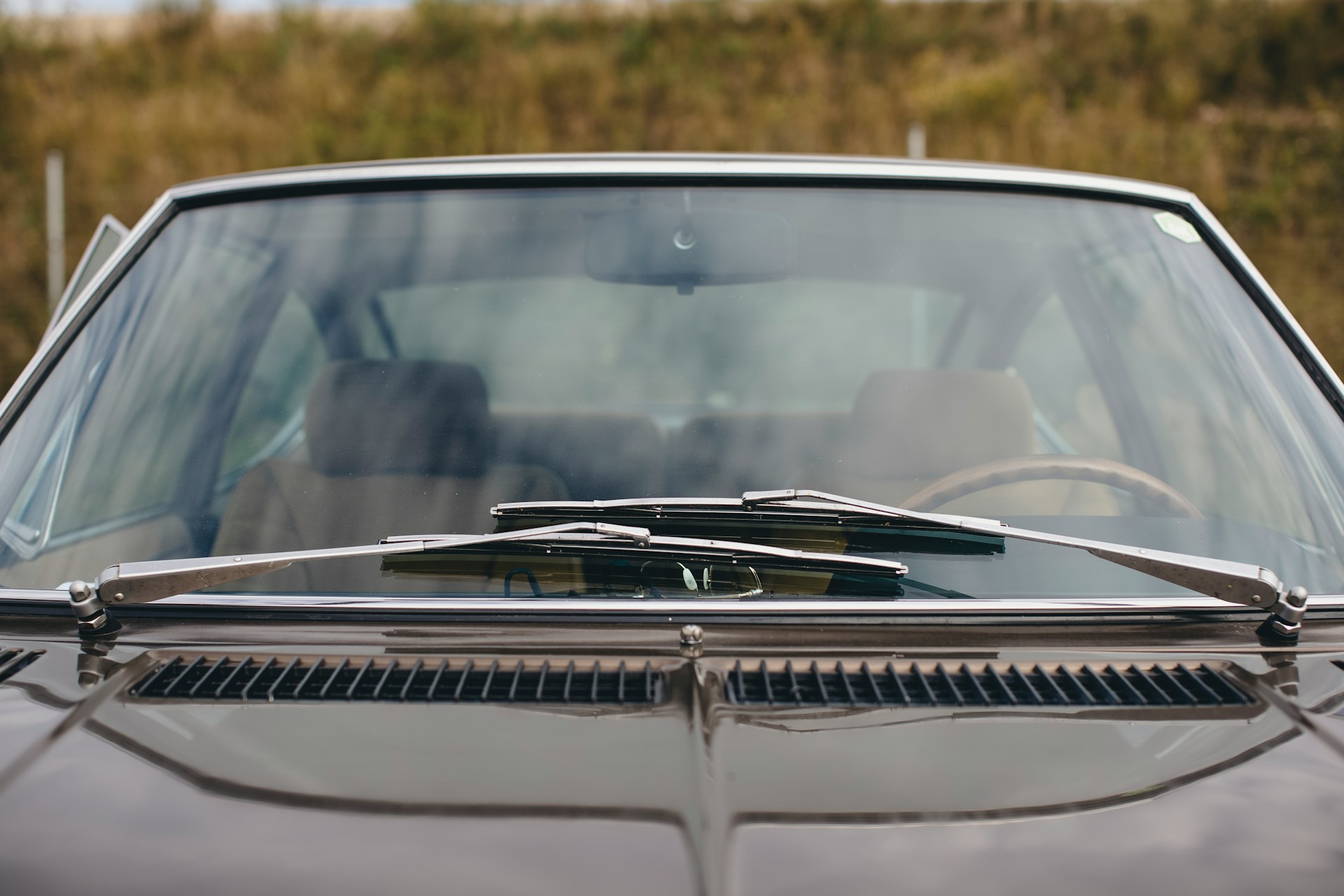
Your windshield wipers may not grab your attention when everything’s running smoothly. But once they start to fail, especially during a rainy streak or a frost-filled morning, they go from unnoticed to frustrating pretty quickly. For used car owners around Medford, NY, where the seasons can bring both heavy rain and early cold snaps by October, windshield wiper issues can become a bigger hassle than you’d expect.
Wipers play a major role in visibility and safety, and when they’re not working right, your time on the road can become risky. Smearing, skipping, or just plain not clearing off the windshield can make even a quick trip stressful. With that in mind, spotting problems early and understanding what’s behind them can help you stay ahead of bigger issues. Let’s cover what goes wrong and how to handle it.
Identifying Common Windshield Wiper Issues
If your wipers aren't doing their job like they used to, you're not alone. Used cars, especially older ones, can be more likely to show these signs just because parts wear down over time. Here are some common signs that something’s up with your wipers:
- Streaking or smearing: Instead of wiping away water, the blades leave behind streaks, making it harder to see the road.
- Skipping or chattering: The blades bounce across the windshield or make an annoying squeaking sound. This usually means they aren’t making even contact with the glass.
- Inconsistent wiping: Some areas get cleaned while other sections stay blurry or wet, especially near the corners or edges.
- Wipers don’t sit properly: When parked, the wipers may stop in the wrong spot instead of returning to the base of the windshield.
It’s easy to shrug off these issues if they come and go, but even small wiping problems can become major during a downpour or early morning frost. One Medford driver put off replacing their worn-out blades for weeks. Then came a rainy night commute. Half their windshield stayed foggy no matter how high they cranked up the wipers. That short drive turned into a slow, nerve-wracking crawl.
It's better to catch these things early and figure out what's causing the problem before the bad weather rolls in.
Diagnosing the Causes
Understanding what’s causing the wiper issues makes it easier to explain the problem when you're getting your car checked. Some problems are fairly straightforward, while others might point to a mechanical issue that needs a professional look.
Here's what could be behind those wiper problems:
- Worn-out wiper blades: This is probably the most common reason. Blades don’t last forever. After a certain point, the rubber hardens, cracks, or loses shape.
- Dirt and debris: Tiny bits of sand or dust can gather at the edge of the blades or under them. That can mess with full contact on the windshield and lead to streaks.
- Bent wiper arms: If the arm holding the blade gets knocked or bent, the blade might not lie flat. That’s when it starts hopping or only wiping part of the glass.
- Motor weakness or linkage issues: If the blades are slow, jerky, or don’t move evenly, there may be something going on with the wiper motor or internal linkage. This isn’t something to ignore. If the motor gives out during a storm, you’ll be stuck without any way to keep the windshield clear.
The best way to figure it out is by paying attention to when the problem happens. Does it occur in light rain or only during heavy rain? Do both wipers have issues or just one? That can help narrow down whether it’s the blades or something deeper in the system.
Solutions and Maintenance Tips
Keeping your windshield wipers in good shape doesn't have to be complicated. Regular maintenance can save you the headache of dealing with wiper issues during a downpour. Here’s how you can stay ahead of the game:
- Clean the wiper blades: Dirt and grime accumulate on wiper blades, affecting performance. Every couple of weeks, wipe the blades with a clean cloth and some soapy water to remove any buildup. Once cleaned, rinse them off and let them dry completely before using.
- Replace the blades regularly: Some suggest replacing wiper blades every six to twelve months, depending on their condition. If they begin to leave streaks or make noise, it might be time for new ones. This simple step helps maintain clear visibility at all times.
- Check the wiper fluid reservoir: Make sure your wiper fluid reservoir is full, especially before bad weather hits. Use a winter-grade fluid to prevent freezing. During freezing temperatures, regular fluid can cause the reservoir or lines to freeze, leading to unexpected hassles when you need it most.
- Adjust wiper arm tension: If your blades aren't making full contact with the windshield, try pressing down gently on the wiper arm to improve contact. Avoid applying too much pressure as it might damage the wiper arm or bend the hinges.
Taking these preventive measures can keep your wipers working well and your windshield clean, which translates to safer drives in all weather conditions.
When to Seek Professional Help
While simple maintenance can address many wiper problems, some issues require a professional’s touch. Here’s when you should turn to an expert:
- Persistent problems: If streaking, chattering, or incomplete wiping continues despite changing the blades, the issue could lie deeper. A mechanic can check for problems with the wiper motor, linkage, or blade alignment.
- Unusual noises or movements: Grinding sounds or erratic movements might signal a problem with the motor. Motors that are strained or failing will not provide proper power to the wipers, which compromises their function.
- Rain sensor malfunctions: Some cars have automatic wiper systems that adjust speed based on rain intensity. If this system isn't working correctly, reaching out to an auto professional will ensure the electronic components aren't faulty.
Regular inspections and professional help can save time and prevent worsening problems. Consider building routine checks into your car care schedule to keep everything running smoothly.
Keep Your Windshield Clear and Safe
Windshield wipers might seem small compared to other car components, but their role in keeping you safe is significant. Consistent care and attention will ensure they’re ready to face whatever Medford weather throws your way. The peace of mind that comes from knowing you’ll have clear visibility in rain or snow is priceless.
Reflecting on the main points, make sure you address common windshield wiper problems when they arise. From noticing streaks to dealing with a dodgy motor, getting things sorted quickly will help maintain focus on the road. Regular check-ups and simple fixes can provide you with a safer, smoother drive for every season in Medford.
Ensure clarity on the roads with well-maintained windshield wipers. If you're thinking about upgrading to something more dependable for changing weather in Medford, now’s a smart time to buy a used car from 112 Certified. We’ve got a variety of options that can match your needs and help you feel confident every time you drive.