
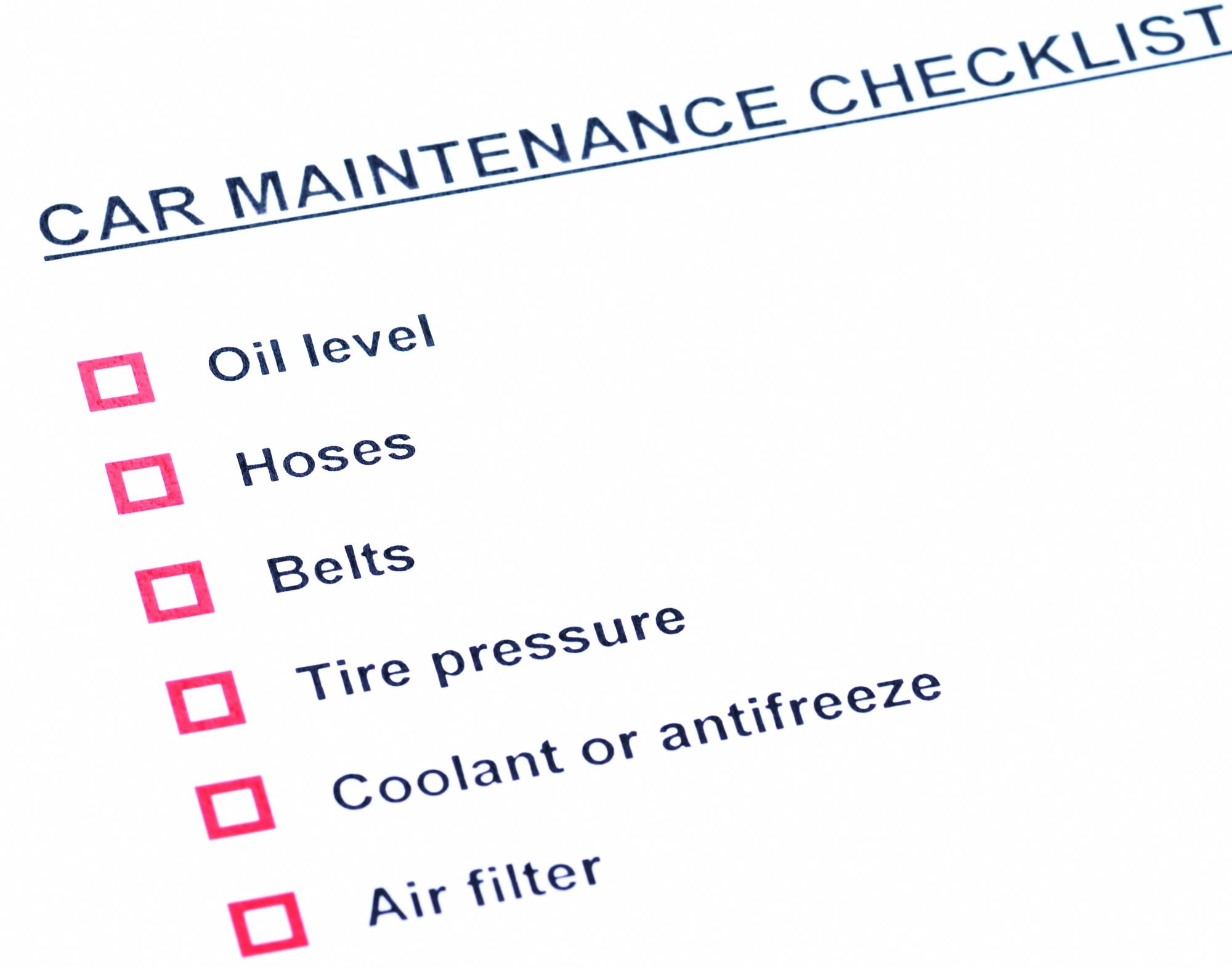
Fall Maintenance Checklist for an Older Used Car Before the Long Island Winter
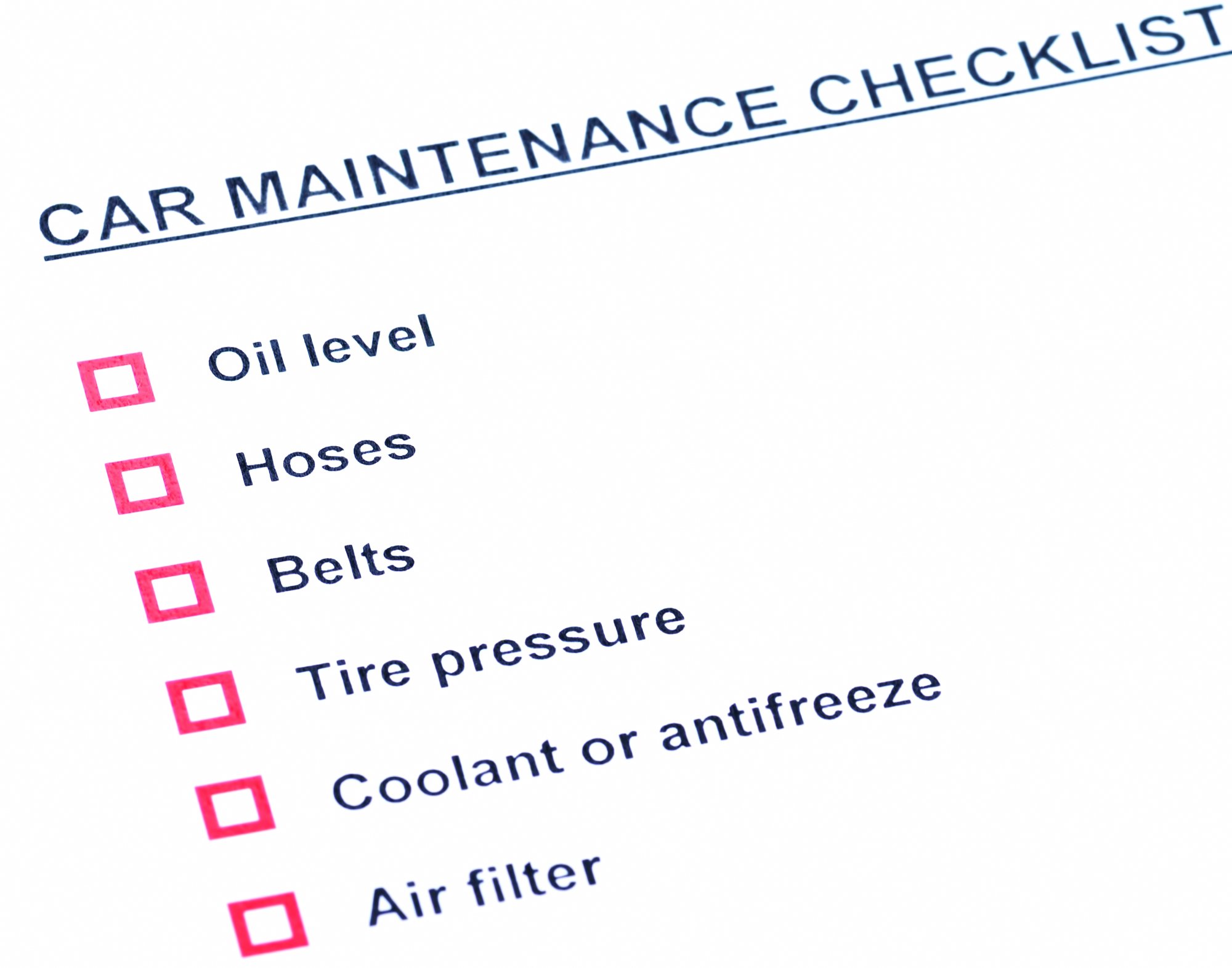
- What should you check on an older used car before winter?
- Early fall: is your battery ready for cold mornings?
- How do you check tires on an older car before the first frost?
- Mid-fall: what should you look for with brakes?
- Which fluids, belts and hoses need attention before winter?
- Late fall: do your lights, wipers and defroster actually work?
- Should you worry about rust and road salt on an older car?
- What belongs in a winter emergency kit for your car?
- When is an older car not worth another winter?
- Key takeaways
What should you check on an older used car before winter?
Think of fall prep as three small rounds instead of one giant weekend. Older cars tend to show their weak spots when the temperature drops, and spreading the checks out means you catch problems while there's still time to fix them.
Here's how this checklist is grouped:
- Early fall: battery and tires, the two things that most often leave drivers stuck
- Mid-fall: brakes, fluids, belts and hoses
- Late fall: lights, wipers, defrosters and rust protection
- Before the first snow: your emergency kit and a final walk-around
You don't need a lift or a garage full of tools for most of this. A flashlight, a tire gauge, a clean rag and your owner's manual cover a lot of ground. If you can't find the manual, many manufacturers post digital copies on their websites.
Anything that feels beyond a driveway check can go to a mechanic you trust. Jot down what you find as you go. Those notes will matter later if you start wondering whether the car has another winter in it.
Early fall: is your battery ready for cold mornings?
Cold weather is hard on batteries. It slows the chemical reaction inside while making the engine harder to turn over, so an older battery that worked fine in August can quit on the first frosty morning.
What to look at
- Terminals: white or bluish crust means corrosion, which a battery brush and a baking soda and water mix can clean up
- Cables: they should be snug and free of fraying
- Case: bulging, cracking or leaking means it's time for a replacement
- Age: look for a date sticker, and if you can't find one or the battery is getting along in years, have it tested
What to watch for
A slow, labored crank, dim headlights at idle or flickering interior lights can point to a weak battery or a charging problem. Many auto parts stores and repair shops will test a battery and alternator quickly. Do it in early fall, not after you're stuck in a parking lot in January.
How do you check tires on an older car before the first frost?
Tires are your only contact with the road, and wet leaves, cold pavement and the first slush make them work harder. Check them in early fall so you have time to shop around if they need replacing.
- Tread: try the penny test. Put a penny upside down in a groove, and if you can see all of Lincoln's head, the tread is low
- Pressure: air contracts as it gets colder, so pressure drops. Check it with a gauge when the tires are cold and match the number on the driver's door jamb sticker, not the number on the tire sidewall
- Sidewalls: look for cracks, bulges or dry rot, which are common on older tires even when the tread looks fine
- Wear pattern: wear on just one edge can point to an alignment issue
- Spare: make sure it's inflated and the jack and lug wrench are actually in the car
If you live where snow is regular, ask a tire shop whether winter tires make sense for your driving. They use rubber that stays softer in the cold, which helps with grip.
Mid-fall: what should you look for with brakes?
Brakes on an older car deserve real attention before winter, because stopping distances get longer on wet, icy or salty roads. You can spot many warning signs just by driving and listening.
Signs something's off
- Squealing or squeaking when you brake
- A grinding sound, which often means pads are worn down to metal
- The car pulling to one side when you stop
- A soft, spongy or sinking pedal
- Vibration through the steering wheel or pedal
What you can check yourself
With a flashlight, look through the wheel spokes at the brake pads and rotors. Thin pads or deep grooves in the rotor are worth a mechanic's opinion. Also check the brake fluid reservoir level, and notice whether the fluid looks very dark.
Try the parking brake too, since it can seize or stretch on older cars. A shop can inspect the whole system and tell you what's urgent and what can wait. Brakes are not the place to put off a repair.
Which fluids, belts and hoses need attention before winter?
Fluids and rubber parts do a lot of quiet work, and cold weather makes worn ones fail. Do these checks with the engine off and cool, on level ground.
Fluids
- Engine oil: check the level and color, and follow your manual for the right grade and change interval
- Coolant: it protects against freezing as well as overheating, so have the mix tested and the level checked
- Washer fluid: fill it with a winter-rated fluid that won't freeze
- Transmission and power steering fluid: check them if your car has dipsticks or reservoirs, and follow your manual
Belts and hoses
Look at the serpentine belt for cracks, fraying or a shiny glazed surface. Squeeze the radiator hoses when the engine is cool. They should feel firm but not rock-hard, and never mushy or bulging.
If anything looks questionable, a mechanic can check it in minutes. A snapped belt or burst hose in cold weather can strand you quickly.
Late fall: do your lights, wipers and defroster actually work?
Winter means less daylight and more glare, rain and snow, so seeing and being seen matters more. These are some of the cheapest fixes on the whole list.
- Lights: have a friend help you check headlights, high beams, brake lights, turn signals, reverse lights and hazards
- Headlight lenses: yellow or foggy plastic cuts down how far you can see, and restoration kits or a shop can help
- Wiper blades: replace them if they streak, chatter or leave bare patches
- Washer nozzles: make sure they spray where they should
- Defrost and heat: run the front and rear defrosters and the heater to confirm they blow warm and clear the glass
- Cabin air filter: a clogged one can make fogged windows worse
If your windshield has a chip, deal with it now. Freezing and thawing can turn a small chip into a long crack. Clean the inside of the glass too, because a hazy film makes fogging and glare worse.
Should you worry about rust and road salt on an older car?
Yes, a little worry is healthy. Roads in our area are commonly treated with salt in winter, and salt speeds up rust, particularly on older vehicles where the paint and protective coatings have had years of wear.
Check before winter
- Look under the car with a flashlight at the frame, floor pans and exhaust
- Check the rocker panels and wheel wells, where rust often starts
- Inspect brake and fuel lines for heavy corrosion, which is a safety issue and worth a mechanic's attention right away
- Touch up small paint chips so bare metal isn't exposed
Protect it
Give the car a good wash and wax in late fall. Wax helps shield the paint from salty spray. Through winter, rinse the underside when temperatures allow, especially after salted roads. Surface rust you can handle, but rust that has eaten through metal or weakened structural parts is a bigger conversation.
What belongs in a winter emergency kit for your car?
Even a well-prepared car can break down, and winter makes waiting on the roadside far less pleasant. A small kit in the trunk takes ten minutes to put together.
In the trunk
- Jumper cables or a portable jump starter
- Flashlight with fresh batteries
- Warm blanket, gloves and a hat
- Ice scraper and snow brush
- Small shovel
- Sand or cat litter for traction
- Reflective triangles or flares
- Basic first aid kit
- Water and non-perishable snacks
In your habits
Keep a phone charger in the car and let someone know your route on long trips. Try to keep the gas tank at least half full, since it adds a cushion if you get stuck in traffic or a delay. Before the first snow, do one last walk-around: tires, lights, wipers, fluids. Five minutes now beats an hour on the shoulder later.
When is an older car not worth another winter?
After you've done the checks, look at your notes. A few small items like wipers, a battery or washer fluid are normal upkeep. A long list of big-ticket problems, such as brakes, rust in structural areas, a transmission that slips or repeated breakdowns, tells a different story.
Compare what the repairs might cost with what the car is worth, and think about total cost of ownership, not just the purchase price. That means repairs, insurance, fuel and the stress of an unreliable ride. We help buyers look at that bigger picture at our dealership.
If you decide to move on, you can request a trade-in value on our site and see where you stand. For the next vehicle, we offer cars, SUVs and trucks from multiple manufacturers, plus used-vehicle warranty options designed around your driving habits and budget, which can add peace of mind after you buy.
When you're ready to compare, schedule a test drive and see how something newer feels. No pressure, and plenty of time before the snow.
Port Jefferson Station, NY
Sun 11am–4pm
- Spread fall prep over three rounds: battery and tires early, brakes and fluids mid-fall, lights, rust protection and an emergency kit late.
- Brakes, tires and visibility matter most for winter safety, so don't postpone those repairs.
- If your notes show a long list of major repairs, weigh total cost of ownership before sinking more money into the car.
- Specializes in pre-owned vehicles rather than operating as a single-brand new-car franchise.
- Provides financing assistance and an online finance application.
- Provides trade-in valuation and support.
FAQ Common questionsWhen should I start my fall car maintenance?Early fall is a good time to begin, with the battery and tires first. That leaves room to schedule repairs and order parts before cold weather arrives. Finish the rest by late fall, ahead of the first snowfall. Do I need winter tires on an older car?Not every driver does, but they can make a real difference in cold, snowy or icy conditions because the rubber stays more flexible in low temperatures. Whether they're right for you depends on your driving, your area and your budget. A tire shop can help you decide. How often should I check tire pressure in cold weather?Check it at least monthly, and any time there's a big temperature swing, since pressure drops as it gets colder. Measure when the tires are cold and match the pressure listed on the driver's door jamb sticker. Is it worth repairing an older car before winter?It depends on what's wrong and what the car is worth to you. Wear items like wipers, batteries and brake pads are usually worth fixing. If you're facing several major repairs at once, compare the cost with the value of the car and the cost of replacing it. What should I check if I'm buying a used car this fall?Look at many of the same items: tire condition, brakes, battery, lights, heater and defroster, and underbody rust. Ask for service records if they're available, and take a test drive in conditions like the ones you'll face daily. Also ask about warranty coverage so you know what's protected after you buy. |
Ready to test drive something newer? Or call (631) 496-7650 · 1444 New York 112, Port Jefferson Station |